
Last updated November 15, 2026
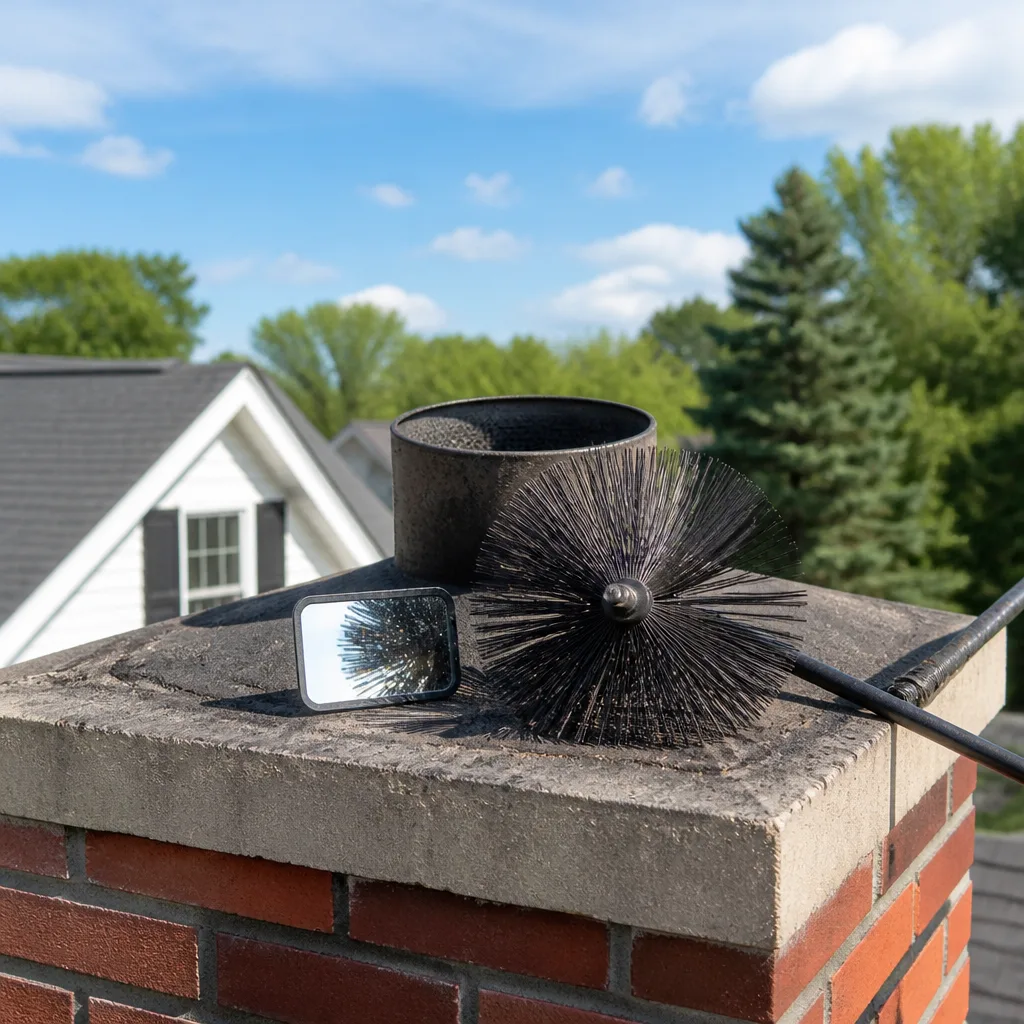 Sweep & inspection
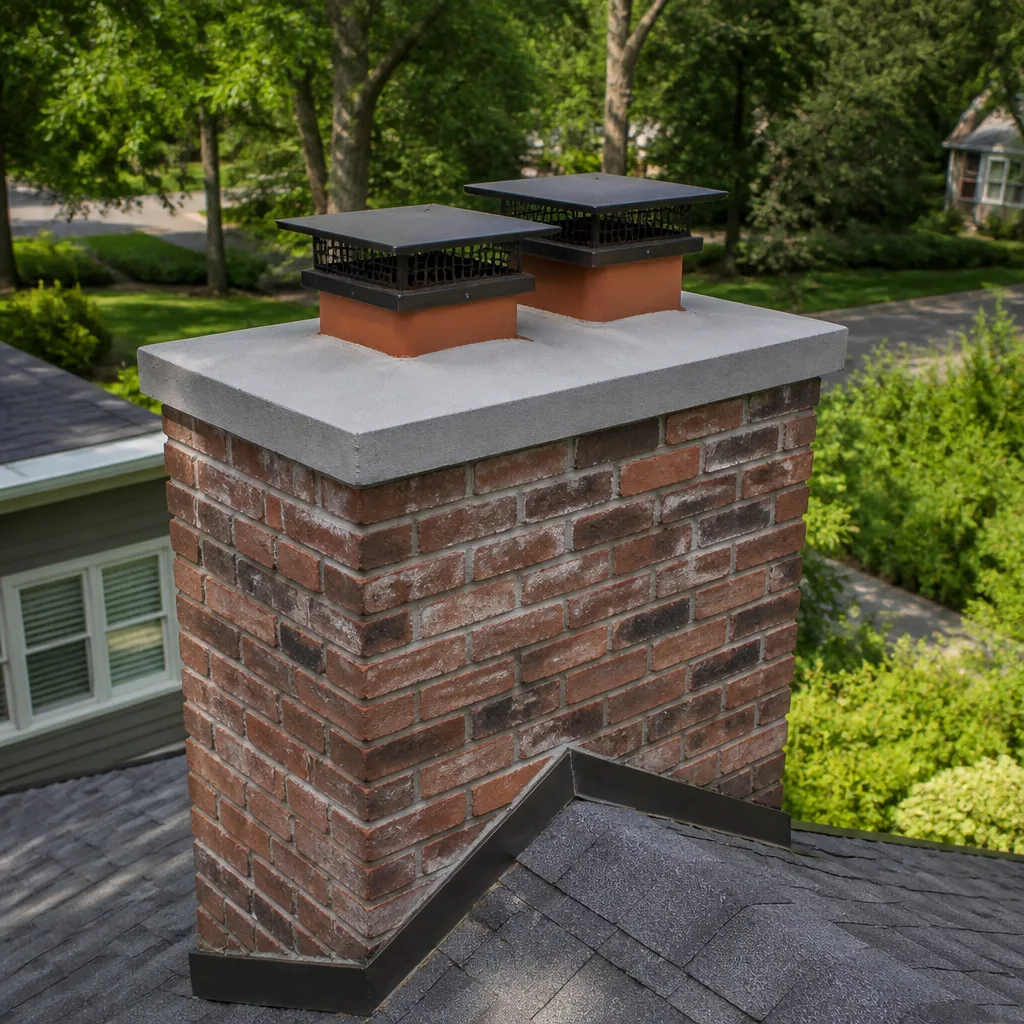 Caps & crowns
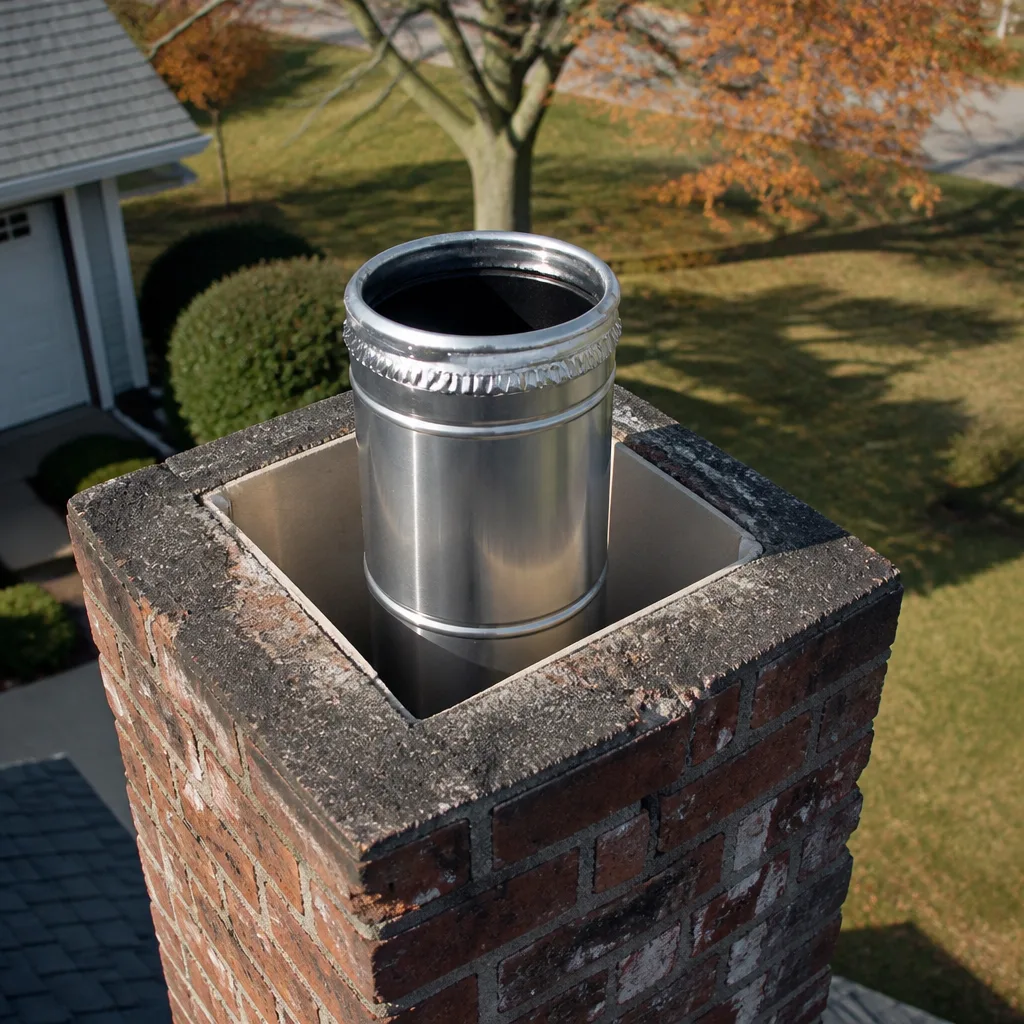 Flue relining
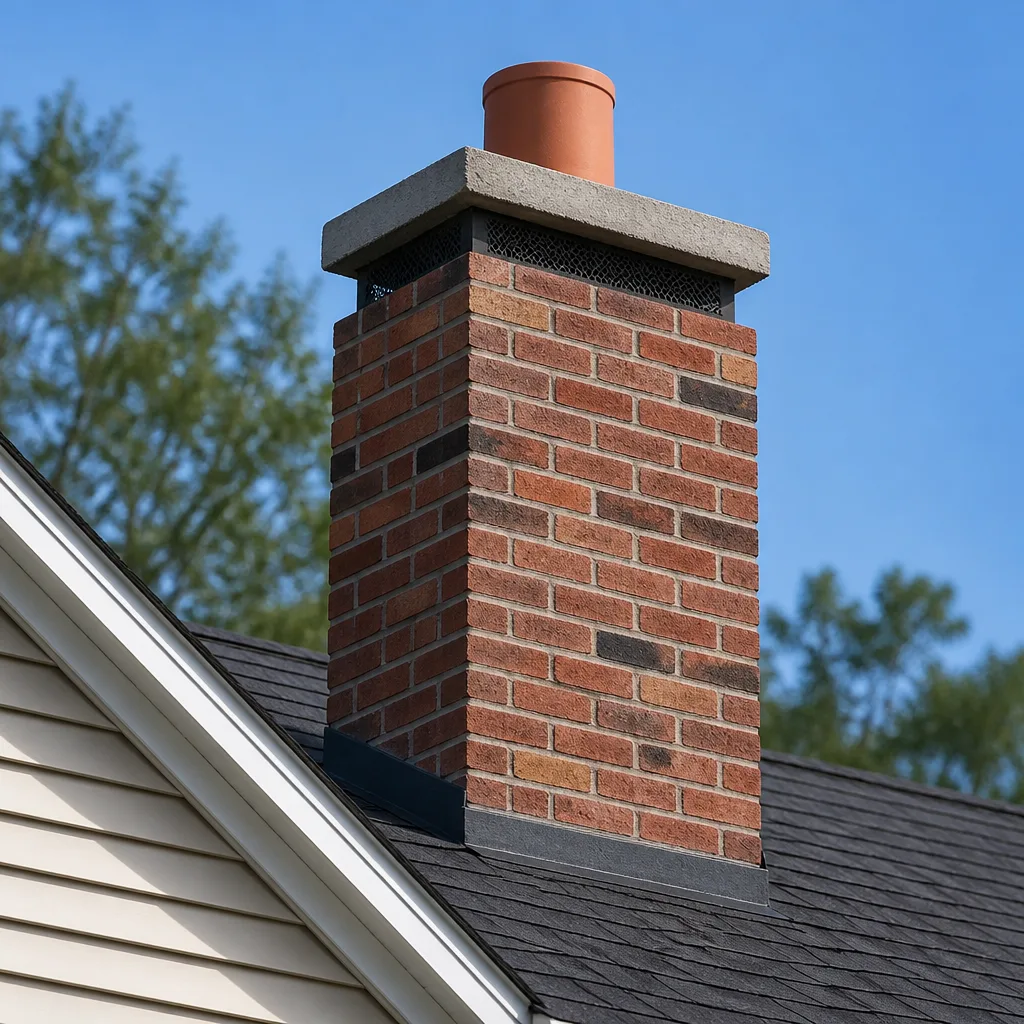 Masonry repair
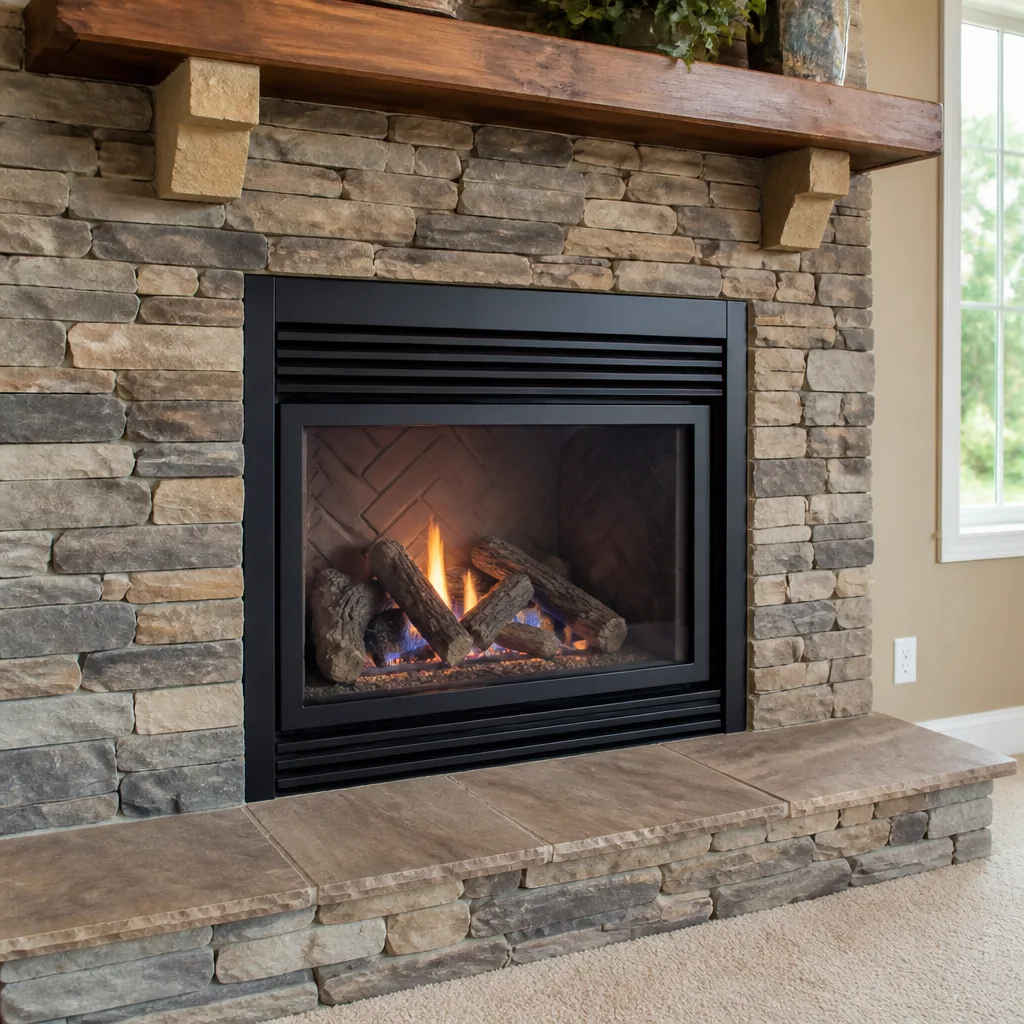 Gas fireplace service
Level 1 sweep and inspection to the NFPA 211 annual standard - flue, crown, cap, and flashing checked and photographed
Chimney sweep logs do not sweep chimneys. They loosen some creosote - which then falls where a brush and vacuum still have to collect it.
Chimney Cleaning Permits, Codes & Inspections in Louisville, KY: What You Need to Know
Most homeowners assume a chimney cleaning never touches the permit process. That belief holds up fine until a liner replacement, a new cap, or a chimney-top rebuild enters the picture. In Louisville Metro, some of that work requires a permit under Jefferson County codes, and finding out after the fact can complicate a home sale, an insurance claim, or both. If a buyer’s inspector flags unpermitted work down the road, you’re the one explaining it at closing, not the contractor who skipped the paperwork. This guide walks through which chimney jobs need a permit, how Kentucky’s adoption of the International Residential Code applies to chimney work, when a Level 2 inspection is actually required, and what an inspector is really checking. By the end, you’ll know where cleaning ends and permitting begins.
Quick Answer
Routine chimney cleaning and sweeping in Louisville do not require a permit. A liner replacement, a chimney cap or top-damper installation, and most structural chimney repairs do require a permit through Louisville Metro’s code enforcement under Jefferson County, following Kentucky’s adoption of the International Residential Code (IRC) Section R1003. A Level 2 inspection is code-required when a chimney changes hands, changes fuel type, or is damaged by a fire or earthquake; a Level 1 inspection comes with an annual sweep.
Styles & brands we work with
- Sweep & inspection
- Caps & crowns
- Flue relining
- Masonry repair
- Gas fireplace service
Table of Contents
- Which chimney services in Louisville need a permit – and which don’t
- How IRC Section R1003 applies to chimney work in Kentucky
- When a Level 2 inspection is required versus just smart
- What “passing inspection” actually means for a liner job
- How insurance treats unpermitted chimney work at claim time
- How Louisville’s seasons shape chimney wear and inspection timing
- Where the DIY line sits for Louisville homeowners
Which Chimney Services in Louisville Need a Permit – and Which Don’t
Sweeping is not a permitted activity. Neither is a Level 1 inspection, a visual check of the firebox and flue, or a routine camera inspection with a report. These are maintenance tasks, and Louisville Metro treats them that way. Cleaning a flue doesn’t alter the structure of a home, so there’s no permit to file and nothing for a code official to inspect.
Repairs are a different story. The general rule in Jefferson County is that any work that changes or replaces a component of the chimney structure requires a permit before it starts. That covers more than homeowners expect.
- Liner installation or replacement – a new stainless liner, a flexible liner in an aging flue, or a cast-in-place resurface all affect the venting system and require a permit.
- Chimney cap install – a factory cap or a custom cap attaches to the crown and flue, and it counts as a structural change.
- Top-sealing damper install – the damper sits at the flue top and changes how the chimney is enclosed.
- Crown repair or rebuild – repairing the concrete crown at the top of the chimney is masonry work and requires a permit.
- Flashing repair or replacement at the roofline – because it ties into the roof structure, it requires a permit.
- Firebox repair with HeatShield resurfacing or a masonry rebuild – a cast-in-place resurface or mortar repair affects the firebox and requires a permit.
- Chimney-top rebuild – a partial rebuild of the upper chimney is major structural work.
If the job involves removing and replacing, it’s permitted. If it’s cleaning, inspecting, or a small maintenance fix like a damper adjustment or a cap that’s simply re-secured, it usually isn’t. When you have a Louisville chimney repair on the schedule, the honest answer is to call the city’s code enforcement office before the work starts and confirm whether a permit is needed. That one phone call protects you later.
How IRC Section R1003 Applies to Chimney Work in Kentucky
Kentucky adopts the International Residential Code statewide, and Section R1003 is the part that covers masonry fireplaces and chimneys. That section is the reason a liner job isn’t just plumbing and materials; it sets out the physical requirements a flue has to meet, and a code official can check every one of them before a permit is signed off.
For homeowners, Section R1003 comes down to a few practical requirements.
- Clearance from combustibles. A masonry chimney has to keep a defined clearance from any combustible material, including wood framing. If a boxed framing job put lumber close to the flue, that’s a code violation even if it’s been that way for years.
- Chimney height above the roof. The chimney has to extend a set distance above the roofline and any nearby roof surface, measured according to the roof pitch. A chimney that stops short of that has weak draft and is out of compliance.
- Flue lining. Each flue has to be lined continuously from the firebox to the top, using an approved material. A stainless flexible liner from a professional line like DuraFlex or Olympia Chimney satisfies that requirement when installed correctly. An unlined or broken flue does not.
- Flue size relative to the appliance. The flue has to match the appliance it serves, in both cross-section and the number of appliances venting into it.
- Firebox and hearth requirements. The hearth extension and firebox dimensions need to meet the section’s requirements, and a repair or resurface should leave them at those standards.
In our experience, most Louisville liners we open up are sized right or close to it, but plenty of older chimneys were built before these requirements tightened and never got updated. A code official doing a liner inspection is checking for exactly those points, which is why the permit process is worth it: the inspector is confirming that the liner you paid for actually meets the standard your homeowner’s insurance will lean on later.
When a Level 2 Inspection Is Required Versus Just Smart
The National Fire Protection Association’s Standard 211 sets out the three inspection levels, and a Level 2 inspection is not simply a better version of a Level 1. It’s a different scope, and in certain situations it’s required rather than optional. A Level 1 inspection covers the readily accessible parts of the chimney and venting: a visual check of the firebox, flue, damper, and the chimney exterior. It’s the right inspection for an annual sweep when nothing has changed.
A Level 2 inspection is required in these situations.
- The home changes hands. Before a home sale, a Level 2 inspection is the industry standard, and most Louisville real estate contracts call for one.
- The fuel type changes. Switching from wood to gas, or adding a new appliance to an existing flue, triggers a Level 2.
- There’s been a chimney fire or an earthquake. A known event requires a closer look at the flue interior.
- The chimney has been damaged. Visible damage to the exterior or an operating problem calls for a Level 2 before any repair plan is drawn up.
A Level 2 goes further: it includes a video scan of the flue interior with a camera that runs the full length of the chimney. That video shows cracks in the flue tile, gaps in mortar joints, and liner damage that a flashlight can’t reach. In our experience, most homeowners who think a quick look is enough have never seen the inside of their own flue. A camera report is the difference between “I think it’s fine” and a photo of a cracked tile three feet down.
A Level 3 inspection is a much larger job, done only when a Level 1 or Level 2 finds a serious problem that can only be assessed with parts of the chimney removed. That’s a rare scenario, and it’s never done without a reason on paper.
What “Passing Inspection” Actually Means for a Liner Job
A passed liner inspection means the code official confirmed that the new liner meets IRC Section R1003 for material, clearance, and continuous lining from firebox to flue top. Passing isn’t a stamp on the invoice; it’s a specific set of physical checks. Knowing what the official is going to look at tells you whether the quote you received covers what the code requires.
The specific checks a code official makes on a liner installation come down to these.
- Material. The liner has to be an approved material for the appliance it serves. A stainless flexible liner meets that, and a cast-in-place resurface like HeatShield does too, when the process is properly applied.
- Continuous lining. The liner has to run the full length of the flue, from the firebox to the termination at the top. A single piece of flexible liner is usually a better sign than a spliced run.
- Clearance to combustibles. The official checks that the liner maintains its required clearance from any wood framing, especially where it passes through a floor or the roof. That’s the check that most often catches older homes where no clearance was left.
- Top termination. The cap or terminator has to be installed and secured. A liner that’s in but open at the top won’t pass, and it’s also a water and animal entry point.
- Connection to the appliance. The insert or appliance has to be connected to the liner at the bottom, with no gaps and the proper adapter.
- Insulation where required. If the flue is on an exterior wall or the appliance produces certain exhaust, an insulated liner may be required. The official checks whether the installation matches what the specific job needs.
The part homeowners don’t always see is what doesn’t pass. A liner that’s the right material but too short at the top, or that’s left uninsulated on an exterior chimney, fails the same check. A written estimate should spell out the liner type, the termination, and the adapters before work starts. That’s the version of “we’ll make it work” that holds up at inspection.
How Insurance Treats Unpermitted Chimney Work at Claim Time
Insurance policies generally require that work on a home be done to code and with any required permits. When a chimney fire claim comes in and the damage investigation finds that the liner was installed without a permit, the insurer can push back on the claim. This isn’t a scare tactic; it’s a real reason to keep the paperwork straight. A fire investigator looking at a chimney fire will want to know when the liner went in, who installed it, and whether the installation was inspected. A missing permit invites questions, and a claim can be reduced, delayed, or denied depending on how the policy handles unpermitted work.
The practical way to protect yourself is the same for any Louisville chimney repair.
- Get the permit on paper. The permit should be pulled before the liner goes in, and the paperwork should list the work being done.
- Keep the inspection outcome. A passing inspection is documentation. File it with your home records, not just in a drawer at the contractor’s office.
- Keep the brand and material record. Letters that identify the liner system, cap, or firebox resurface are useful if a future claim comes up.
- Confirm the policy’s stance before a claim, not after. If you’re unsure how your policy treats unpermitted work, call the insurer before the project, not after something goes wrong.
A chimney fire is one of the events insurers look at most closely, so the paper trail matters. A permit and a pass don’t guarantee a claim pays out, but they remove the easiest reason for an insurer to question it.
How Louisville’s Seasons Shape Chimney Wear and Inspection Timing
Louisville’s weather runs on a heating season that lasts roughly October through March. That means the chimney is working hard for half the year, then sitting idle for the other half. Cycles of moisture and freeze-thaw through the cooler months work on the crown, mortar joints, and masonry. A crack that opens in a January freeze tends to get worse by spring, and a moisture problem that started before the season gets worse every time the fire runs.
In practice, that means a few timing points matter for Louisville homeowners.
- Inspection in early fall. A sweep and Level 1 inspection before the heating season starts gives you time to schedule any repair before the first fire.
- A camera check after a heavy season. If the fire ran daily from fall into spring, a video scan at the end of the season catches damage while it’s still small.
- Exterior check after freeze-thaw. A masonry chimney’s crown and mortar joints should be checked in early spring, when freeze damage is easiest to see.
What we see most often in Louisville is a chimney that gets checked every few years, not every year, until something goes wrong. The heating season here is long enough that a missed year can mean a small cracked tile becomes a liner job, and a liner job is where the permits and inspections in the rest of this guide come into play. If you haven’t had the chimney looked at since last season, the next good window is before the first fire, not after a problem shows up. A chimney sweep in early fall is the simplest way to catch it early.
Where the DIY Line Sits for Louisville Homeowners
Everything up to sweeping is fine for a homeowner. Cleaning a firebox, clearing ash, keeping the cap clear of debris, and checking the damper operation are all sensible things to handle yourself. Beyond that, the risk curve climbs fast.
A few areas are genuinely dangerous and should always go to a trained professional.
- Liner replacement. Running a flexible liner requires rating the flue, choosing the material, and connecting the appliance at the bottom, plus getting the top termination and clearance right. A DIY liner that fails inspection is money spent twice.
- Firebox resurfacing. A HeatShield resurface is a cast-in-place ceramic process; it requires the right mix, the right cure, and experience reading the flue condition before it goes in. Getting it wrong can leave a firebox that looks repaired but isn’t.
- Chimney-top work. Any work above the roofline is fall risk, and falls from a roof are one of the leading causes of home-injury deaths. A chimney crown repair is a job where the professional has fall protection and a plan.
- Cap and damper installation. A factory cap or a top-sealing damper install needs the right size, the right adhesive, and the correct connection. A cap that isn’t secured can come off in a storm.
Remember the safety line. If the job involves the flue, the liner, or anything above the roof edge, the risk is real and the code requirements apply. A trained chimney professional handles it; that’s not a sales pitch, it’s the reason the code exists in the first place.
Common Mistakes to Avoid
- Assuming a sweep covers the liner. A cleaning and a liner replacement are two different jobs with two different requirements, and a cleaning price never includes the permit a liner needs.
- Skipping the permit because the contractor says it isn’t needed. If a contractor refuses to pull a permit on a liner job in Louisville, ask why in writing, and call the city’s code enforcement office to confirm. It’s the homeowner who loses when the paperwork is missing.
- Getting a Level 1 inspection before a home sale. A buyer’s inspector expects a Level 2 with a camera scan. A Level 1-only report can hold up a closing and cost you time.
- Paying for a liner without the inspection outcome filed away. The passing inspection is the document you need for records, insurance, and a future sale. File it with the deed.
- Replacing a whole liner when a resurface would do. A cast-in-place ceramic resurface can extend the life of a flue with small cracks where full replacement isn’t necessary. Ask whether a resurface is an option before signing for a full reline.
- Scheduling the inspection after the heating season starts. Early fall gets you the widest scheduling window in Louisville before the season gets busy.
- Using a general handyman for liner or masonry work. Chimney work lives or dies on brand-specific tooling and code knowledge. A generalist who hasn’t installed a flexible liner before isn’t the right call for the same reason a licensed electrician isn’t swapped for a generalist on a panel job.
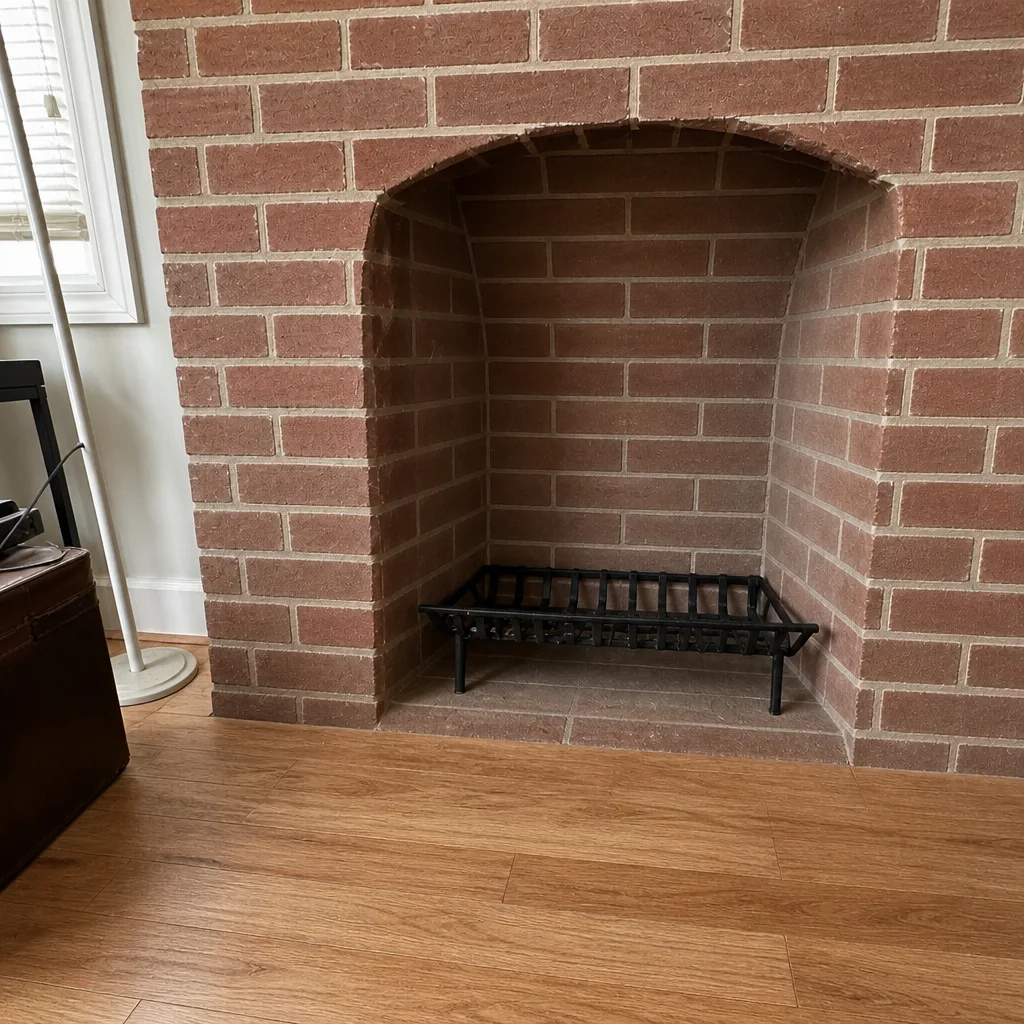
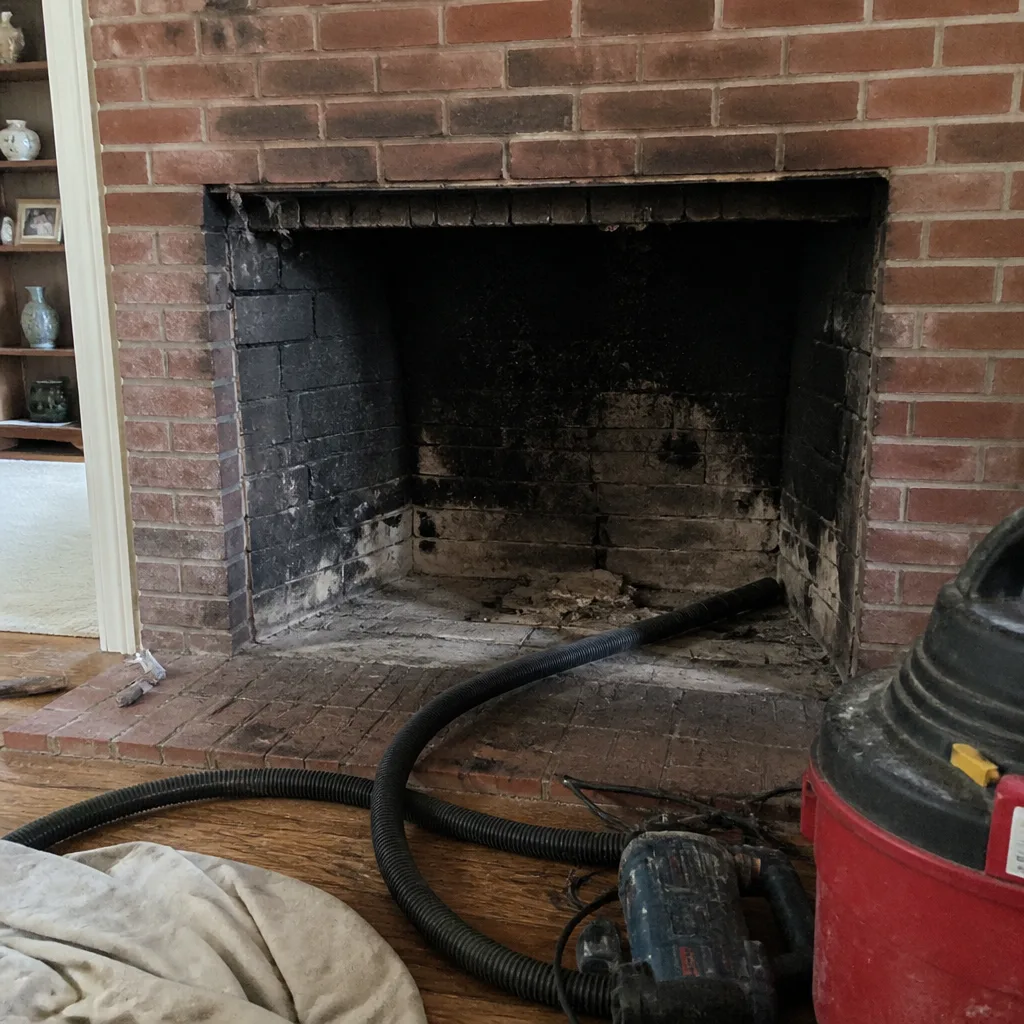
See the difference
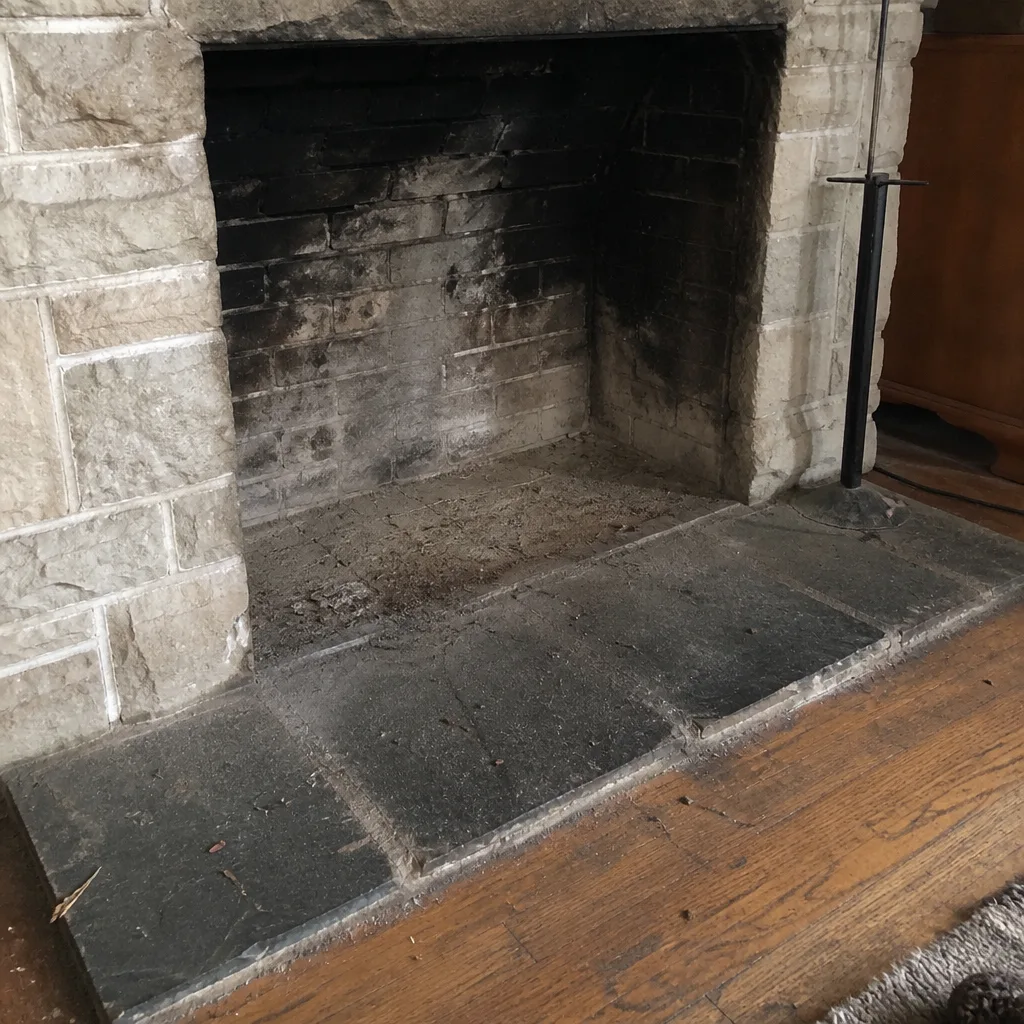 Before
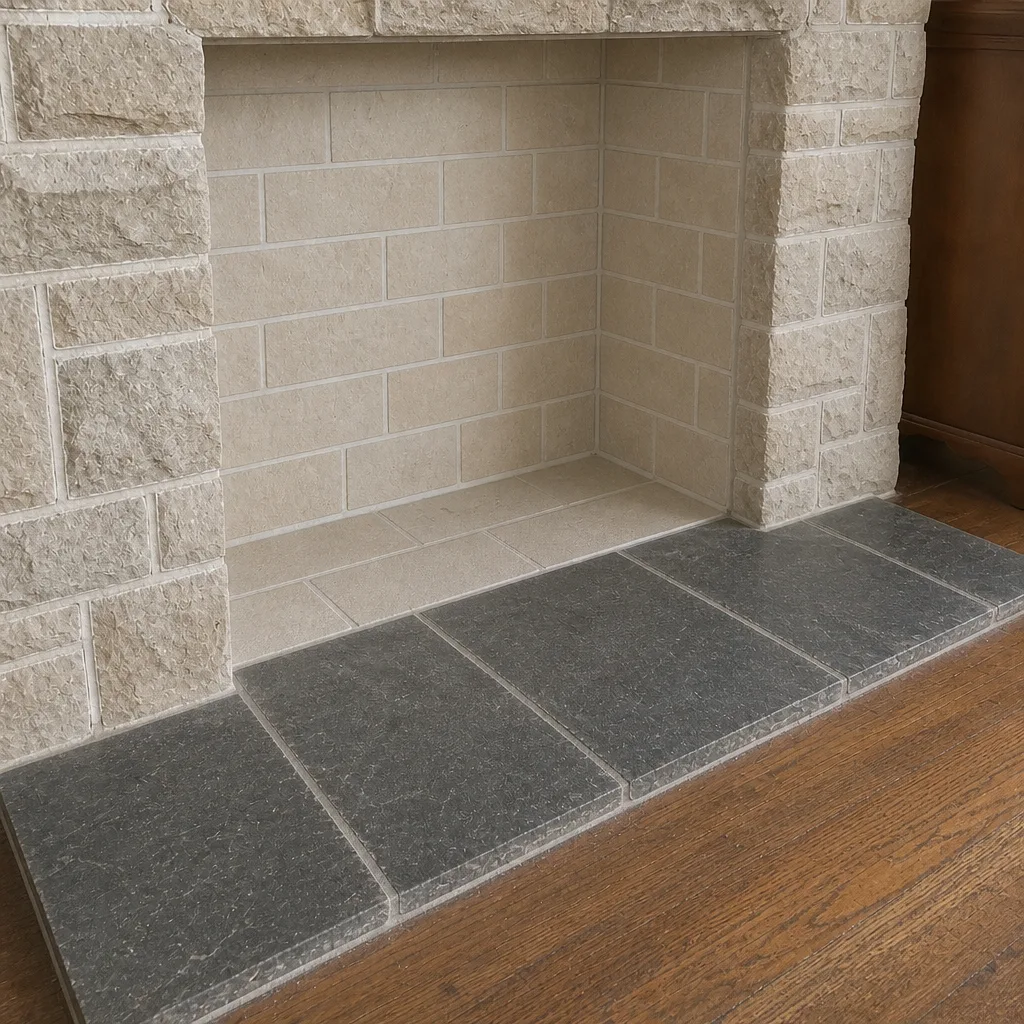 After
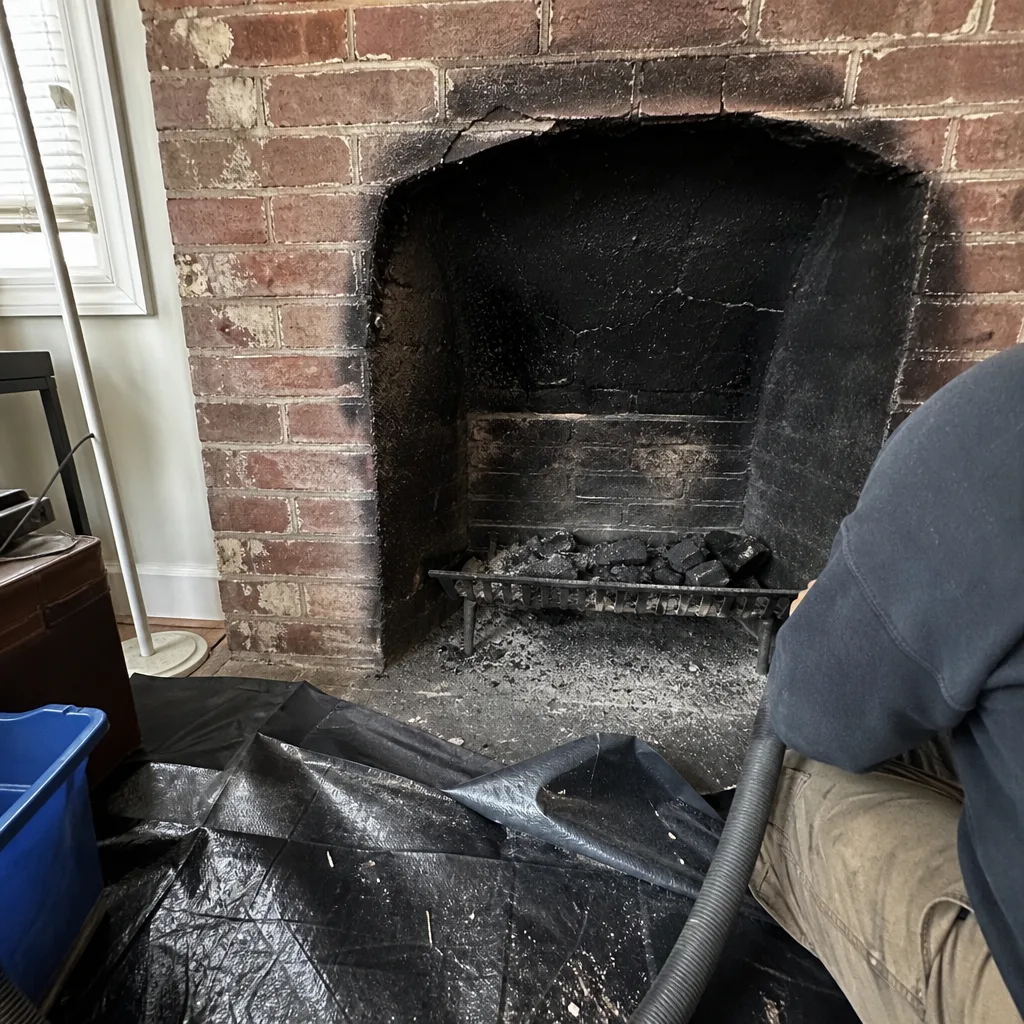 Before
 After
 Before
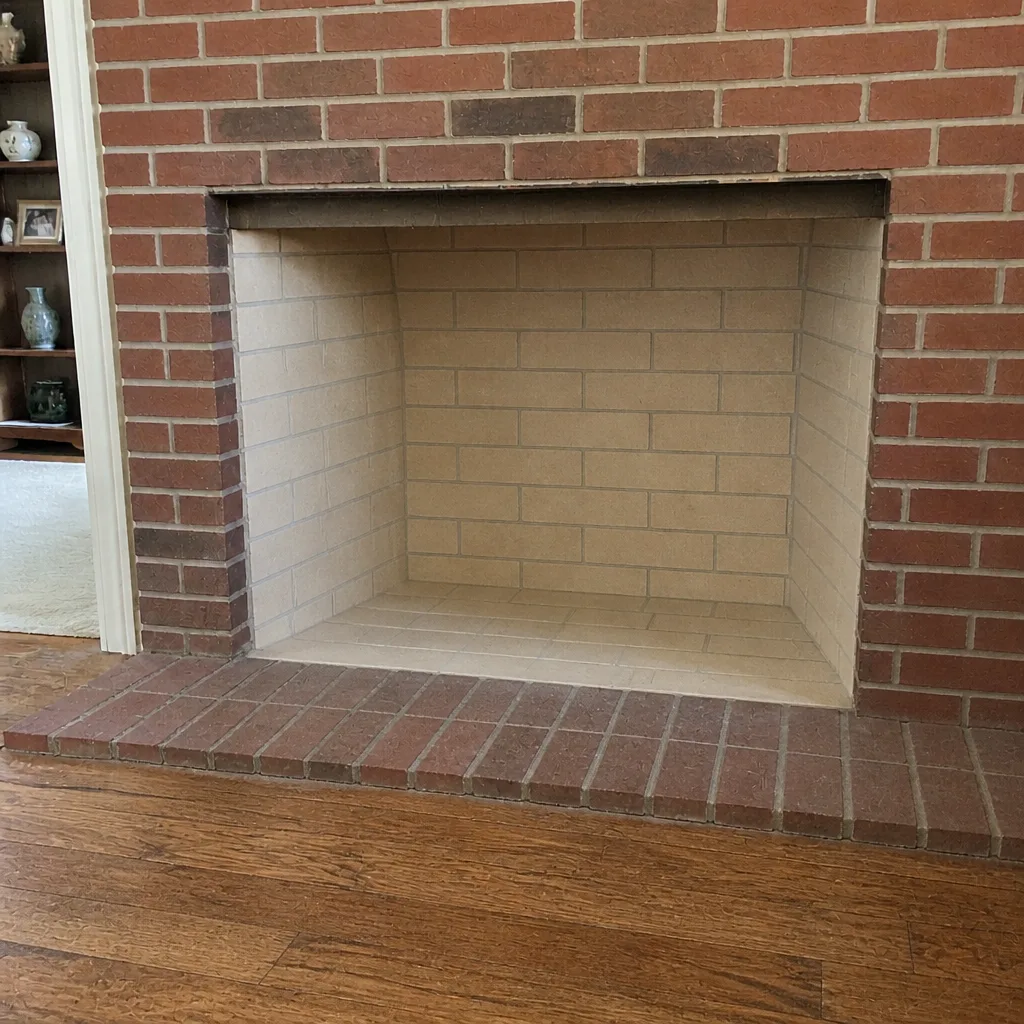 After
When to Call a Professional
Call a professional when the job crosses from cleaning into repair. That means a cracked flue tile, a liner that’s failed or is about to, a firebox that needs a resurface or a rebuild, a crown or mortar repair, a cap or damper install, or any work above the roof edge. Call as well if you’ve had a chimney fire, a known event, or a home sale pending, since any of those puts you in Level 2 territory. And call if you simply haven’t had the chimney inspected in more than a year of regular use.
Clover Chimney Sweep offers free estimates in Louisville. Call (855) 473-9926 and we’ll talk through what your chimney actually needs before any estimate is written. We name the brands we use, including HeatShield for firebox resurfacing and DuraFlex liners, because what goes into your chimney matters as much as the labor. Call (855) 473-9926. We answer 24/7. Fast dispatch from 7am to 7pm, Sunday through Friday.
Frequently Asked Questions
No. A chimney cleaning or sweep in Louisville does not require a permit. A cleaning is maintenance, not structural work, so there’s nothing to file. If the job turns into a liner replacement or a repair, that’s where the permit requirement begins.
A liner replacement, chimney cap install, top-sealing damper install, crown repair or rebuild, flashing repair, firebox resurface or rebuild, and chimney-top rebuild all require a permit under Jefferson County codes and IRC Section R1003. If the job changes or replaces a component of the chimney, it’s permitted. Call (855) 473-9926 for an exact quote; estimates are free.
A Level 2 inspection is required when a home changes hands, when the fuel type changes, when there’s been a chimney fire or an earthquake, or when the chimney has been damaged. It’s also the standard for home sales, and most Louisville real estate contracts expect it. A Level 2 includes a video scan of the flue interior with a camera.
The official checks the liner material, continuous lining from firebox to top, clearance from combustibles, the top termination, the connection to the appliance, and insulation where it’s required. A liner that’s the right material but too short at the top or left uninsulated fails the same check. Call (855) 473-9926 if you’re not sure what your job requires.
It can. Insurance policies generally require work on a home to be done to code with any required permits, and a fire investigator who finds unpermitted work during a chimney fire claim can cause the claim to be reduced, delayed, or denied. Keeping the permit and the passing inspection on file removes the easiest reason for a question.
You can, but the code requirements are the same for a homeowner as for a professional, and that’s the risk. A cap that isn’t secured or a damper that isn’t sized right can come off in a storm or fail inspection. The safer choice is a professional install, and the cost of a professional estimate is free.
The Bottom Line
A chimney cleaning doesn’t touch the permit process, but liner replacements, caps, and structural chimney repairs in Louisville do. Jefferson County codes and IRC Section R1003 set the requirements, and a Level 2 inspection with a camera scan is the inspection that catches what a quick look misses. The permit and the passing inspection aren’t bureaucracy; they’re the paperwork that protects you at a home sale and at claim time. If you’re not sure which side of the line your job falls on, call us and we’ll help you sort it out before anything is signed.
For a professional-grade sweep, inspection, or repair in Louisville, Clover Chimney Sweep is here. Call (855) 473-9926 and we’ll schedule a free estimate. We handle everything under one roof, including chimney repair when the inspection says it’s needed. Serving homeowners across Louisville and the surrounding neighborhoods, including the Highlands, Clifton, and St. Matthews. One call covers the full chimney: sweep, inspect, repair.
Written by the team at Clover Chimney Sweep.