
Last updated November 15, 2026
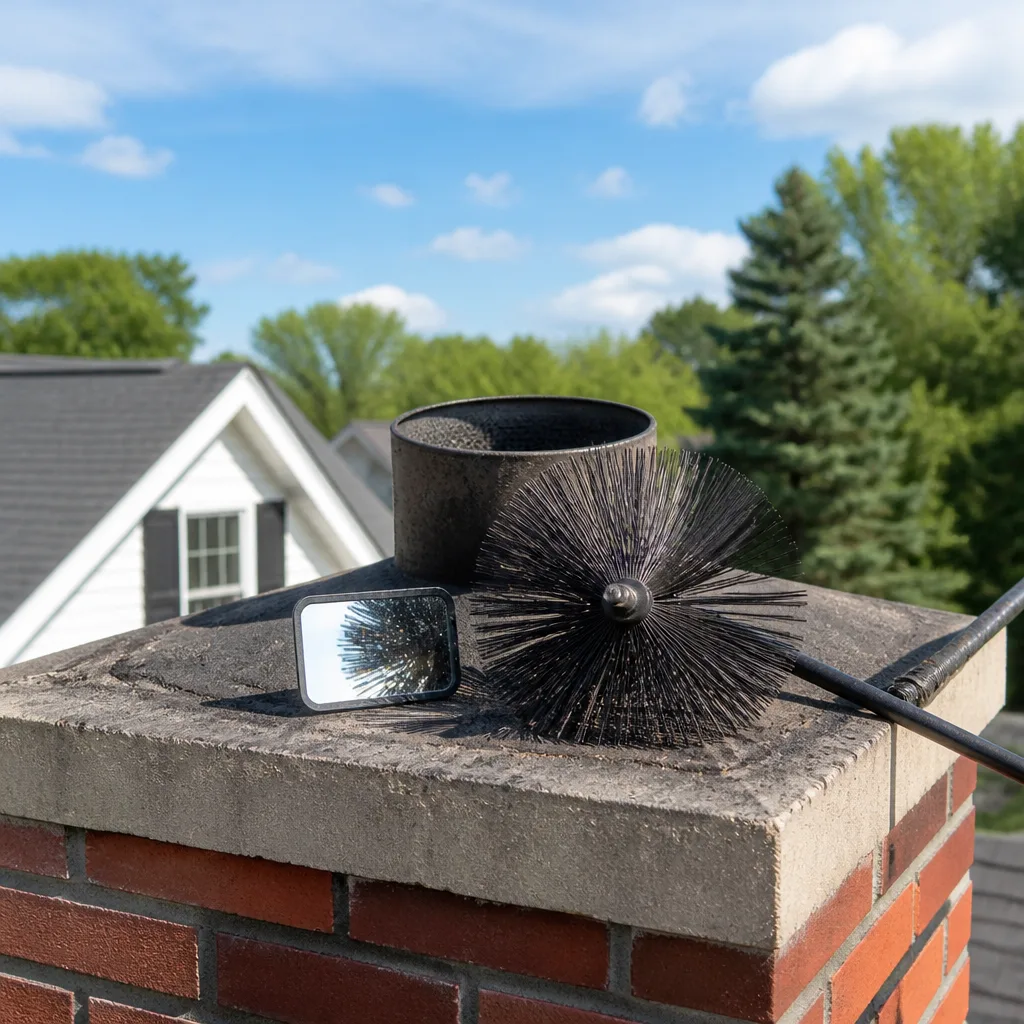 Sweep & inspection
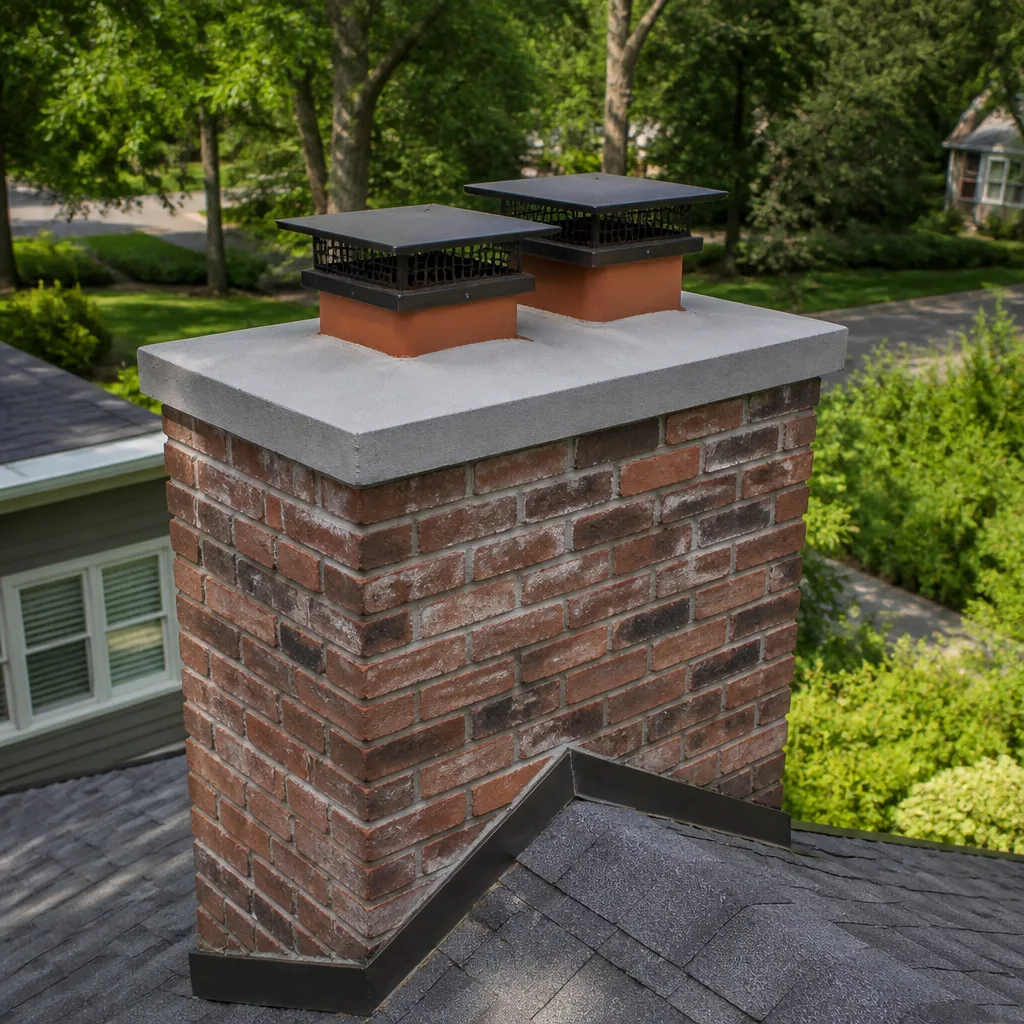 Caps & crowns
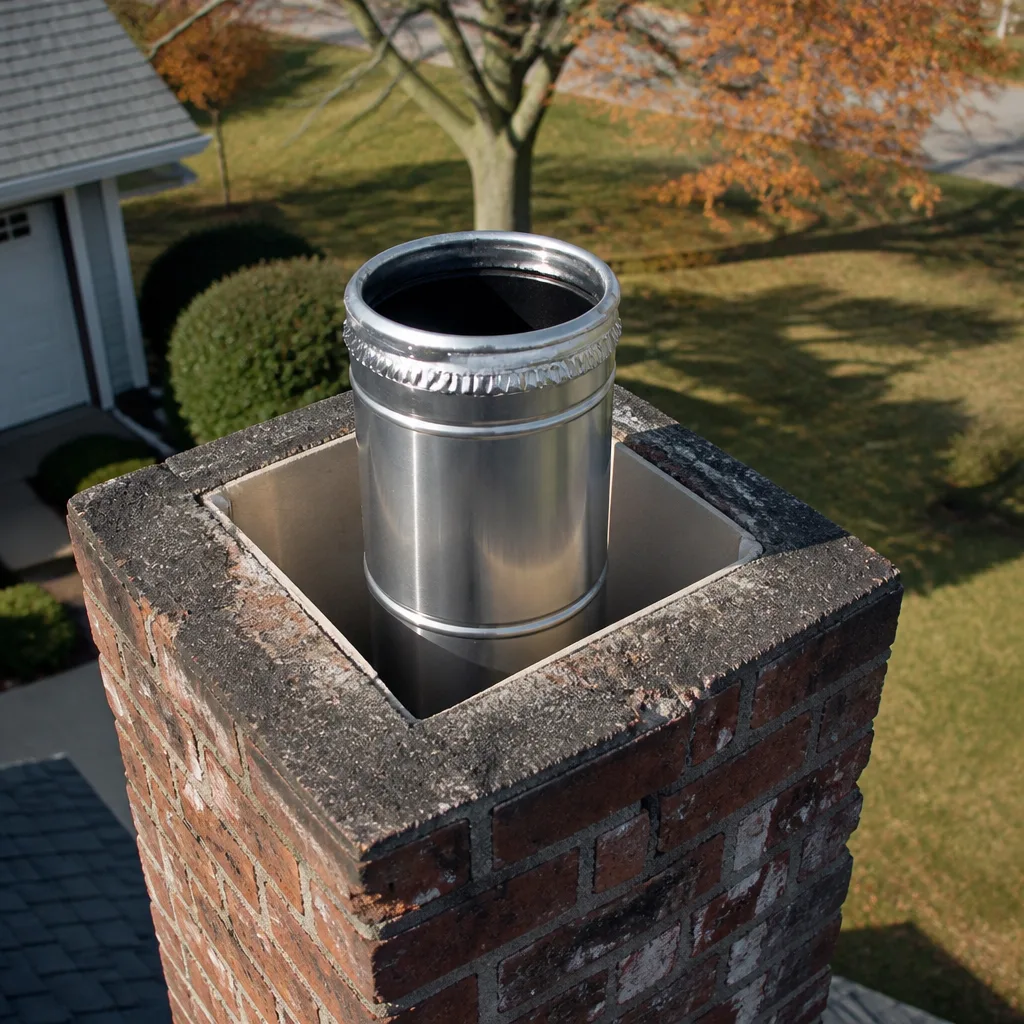 Flue relining
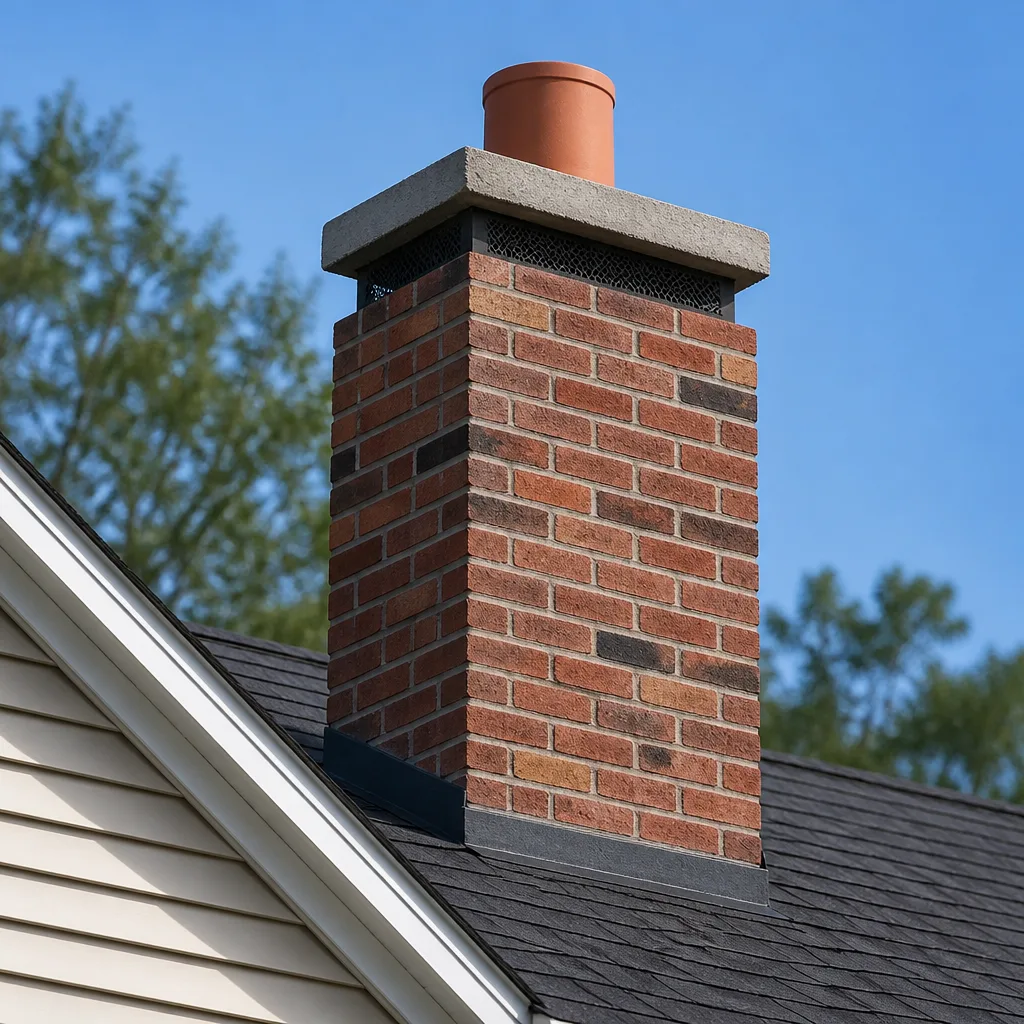 Masonry repair
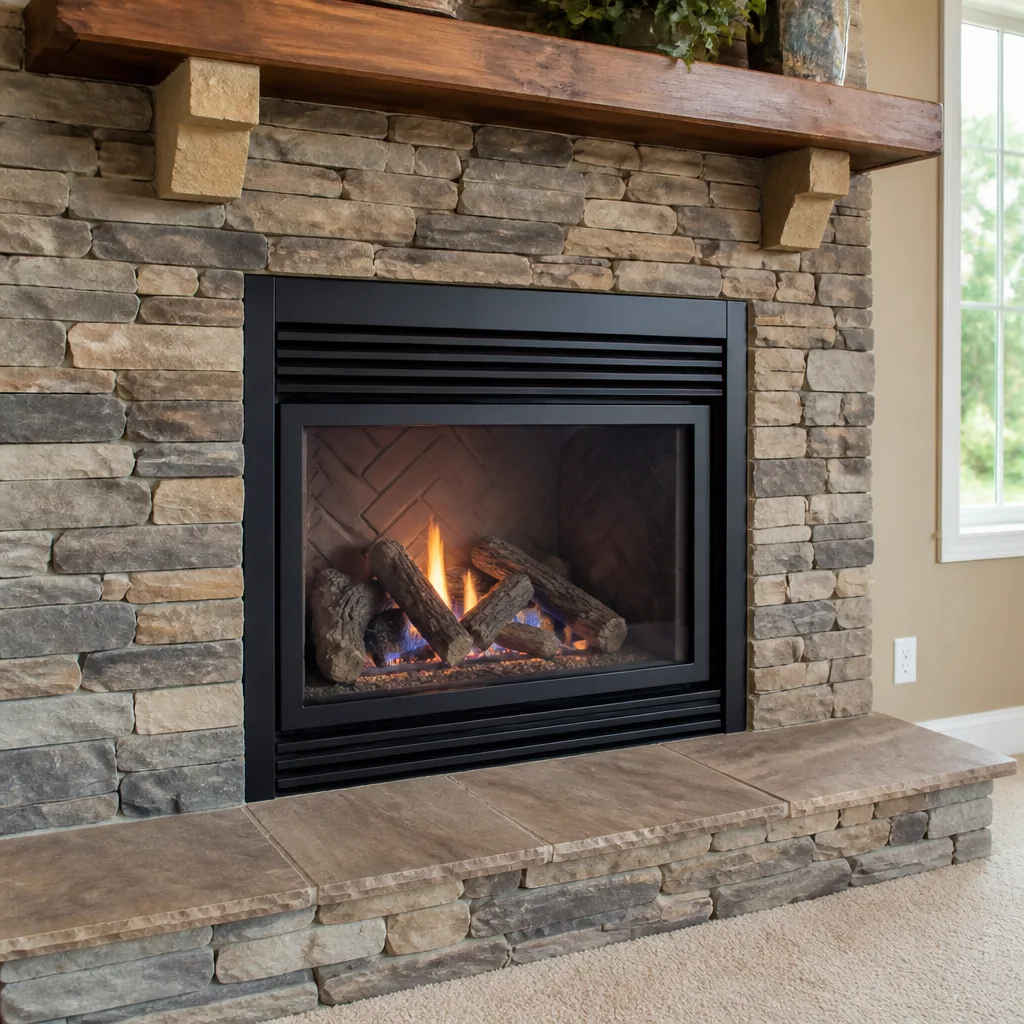 Gas fireplace service
Level 1 sweep and inspection to the NFPA 211 annual standard - flue, crown, cap, and flashing checked and photographed
Chimney sweep logs do not sweep chimneys. They loosen some creosote - which then falls where a brush and vacuum still have to collect it.
Chimney Sweep Maintenance Checklist for Louisville Homeowners
The number one item missing from every chimney maintenance checklist online is “check the liner condition.” It’s also the one item no homeowner can actually verify from the hearth, because the liner sits behind the firebox and above the damper, out of sight without a flue camera. A cracked or deteriorated liner is what lets heat and embers reach the framing of the house, which is why it’s the item that causes house fires. Below, we’ve split the work into what you can honestly do yourself and what needs a professional’s eyes. You’ll get a tiered checklist, exterior warning signs you can read from the ground in Louisville, and a simple log that makes each annual visit sharper.
Quick Answer
A chimney maintenance checklist for a Louisville homeowner should cover three tiers: monthly visual checks you can do, an annual professional sweep and inspection before burning season, and a structural review every five years or after any relining work. The one thing no homeowner can check alone is the liner condition, which needs a flue camera. Schedule the professional sweep before the first fire of the season, and keep a simple log of odors, smoke behavior, and damper feel between visits.
Styles & brands we work with
- Sweep & inspection
- Caps & crowns
- Flue relining
- Masonry repair
- Gas fireplace service
Table of Contents
- The Three-Tier Chimney Maintenance Checklist
- What You Can Check From the Ground in Louisville
- The Item You Cannot Check Yourself: Liner Condition
- What to Document Between Annual Sweeps
- Gas Fireplace and Insert Maintenance
- How to Compare Sweep Reports Year Over Year
- Common Mistakes to Avoid
- When to Call a Professional
The Three-Tier Chimney Maintenance Checklist
A useful checklist has to be honest about frequency. Some tasks are monthly habits, some are once a year, and some only come up on a multi-year cycle. Grouping them by tier keeps you from either over-checking or forgetting the slow-moving items entirely. Here’s how we break it down for homes across Louisville.
Tier 1 – Monthly visual checks (10 minutes):
- Look at the firebox for crumbling mortar or loose bricks.
- Check the damper. It should open and close with steady resistance, not a grind or a rattle.
- Scan the firebox and smoke chamber for shiny, glassy buildup, which signals heavy creosote.
- Note any new odor from the flue, especially on humid days.
- Confirm the cap is still seated if you can see it from a window.
Tier 2 – Annual professional items:
- A full sweep of the flue and firebox by a technician with the right brushes and rods.
- A camera inspection of the liner condition, including any offsets or bends.
- An exterior look at the crown, flashing, and cap.
- A combustion-safety check if you run gas.
Tier 3 – Five-year structural review:
- A closer assessment of the masonry, crown, and flashing seal.
- A liner re-check after any relining or resurfacing work, timed to how the flue has behaved.
- A review of the whole system against the log you’ve kept year over year.
This three-tier approach is the backbone of a proper chimney sweep relationship. It’s also how you avoid the trap of treating every task as equally urgent.
What You Can Check From the Ground in Louisville
You don’t need a ladder to catch early trouble. Several of the most reliable warning signs show up on the outside of the chimney, and standing back in the yard with a pair of binoculars is enough to spot them. Here’s what to look for and what each sign usually means.
- White, chalky staining on the masonry (efflorescence). This is a salt deposit left behind when moisture moves through brick or mortar and dries on the surface. By itself it isn’t structural failure, but persistent efflorescence means the chimney is staying wet, and wet masonry breaks down faster over freeze-thaw cycles.
- Hairline cracks in the crown. The crown is the sloped concrete cap at the top of the chimney. Small cracks let water in; larger ones that run to the edge let water into the flue structure. If you see cracks you could slide a coin into, that’s a repair question for a professional.
- Gaps at the flashing. Flashing is the metal seal where the chimney meets the roof. Look for lifted edges, missing sealant, or daylight showing between the flashing and the shingles. A gap here is one of the most common paths for water into the house.
- A cap that’s loose or missing. The cap keeps rain, birds, and debris out of the flue. A cap that’s tilted, missing a screen, or gone entirely is a straightforward fix.
- Spalling brick or flaking mortar. Faces of brick that are peeling or crumbling, and mortar joints that look recessed, tell you the masonry has taken on water repeatedly.
These are observations, not diagnoses. Photograph what you see each season so you can tell whether a crack is stable or growing. On a rainy spring day in Louisville, water running down the outside of the flue rather than into the drain is often the first visible clue that flashing has failed. Write it down and bring it up at your next inspection. For anything that needs hands-on fixing, a professional chimney repair visit is the right next step.
The Item You Cannot Check Yourself: Liner Condition
The liner is the inner wall of your chimney, and you can’t verify its condition from the firebox. It sits behind and above the damper, often with offsets and bends that hide cracks from any angle a flashlight can reach. The only honest way to check it is a flue camera run by a technician who knows what to look for. This is the item that matters most, because a failed liner lets heat and embers reach the framing of the house.
What a technician actually does during a liner check:
- Runs a camera down the flue from the top or the firebox, depending on the setup.
- Records the flue’s interior, including joints, offsets, and any signs of cracking, spalling, or gaps.
- Notes the type of liner – clay tile, stainless, or a resurfaced ceramic – and its condition.
- Reviews the footage with you and explains what it shows, not just what it might mean.
- Recommends a course of action, which may be “leave it alone for now” if the liner is sound.
When a liner does need work, the fix isn’t one-size-fits-all. A flue with minor cracking and good structure may be a candidate for HeatShield ceramic resurfacing, a process that smooths and seals the liner from the inside rather than replacing it. A flue with larger damage, irregular shape, or a failed clay tile liner is more often a candidate for a flexible stainless liner, and that’s where a DuraFlex system earns its place. Gelco and Olympia Chimney components come into play for specific relining and venting setups. The point is that the recommendation should follow what the camera shows, and you should see the footage yourself before agreeing to anything.
One safety caveat: relining, crown work, and any repair above the roofline is height work. It’s not a job for a homeowner with a ladder and a weekend to spare. Ask for the camera report in writing and let a trained technician handle the flue itself.
What to Document Between Annual Sweeps
Between visits, you’re the only person who sees how your fireplace actually behaves. A short log turns scattered observations into diagnostic help. It takes a minute a week and makes the next sweep more precise. Here’s what’s worth writing down.
- Odor changes. A chimney that smells stronger on humid days, or that develops a sharp, acrid smell after a fire, is telling you something about creosote or moisture. Note when it happens and whether it fades.
- Smoke behavior. Does smoke roll into the room when you first light a fire, or only when the fire dies down? Does it happen on windy days more than calm ones? These patterns point to draft issues that a sweep can diagnose faster with your notes.
- Damper resistance. A damper that gets harder to move over a season can mean soot buildup or a mechanical problem. Note any change in how it feels.
- How often you burn. A rough count of fires per month tells your technician how much creosote to expect and whether your sweep interval should tighten.
- What you burned. Seasoned hardwood versus green wood versus manufactured logs all leave different deposits. If you switched fuels, say so.
This log also helps you compare one year to the next. If you noted “light smoke roll on windy days” last year and this year it’s “smoke roll on every lighting,” that’s a change worth flagging before the next inspection. It’s the single most useful habit a Louisville homeowner can build between professional visits.
Gas Fireplace and Insert Maintenance
Most wood-burning checklists skip gas entirely, but a large share of homes in Louisville run gas inserts or gas log sets, and those systems have their own maintenance items. Gas doesn’t produce creosote the way wood does, but it does produce other byproducts and has parts that wear.
What a gas fireplace needs that a wood checklist doesn’t cover:
- Annual inspection of the venting. Gas appliances vent differently from wood fireplaces, and the vent path needs to be checked for blockage or deterioration.
- Checking the burner and logs for soot or discoloration. Soot on a gas log set is a sign of incomplete combustion or a venting issue worth investigating.
- Confirming the glass and gaskets are intact. A cracked glass panel or a worn gasket lets exhaust into the room instead of up the flue.
- Checking the pilot and ignition sequence. A pilot that won’t stay lit or an ignition that hesitates is a service item, not a cleaning item.
- A combustion-safety check. This confirms the appliance is burning cleanly and venting properly.
Gas fireplaces produce carbon monoxide, so this isn’t a section to skip because “it’s just gas.” If you smell gas, or your carbon monoxide alarm goes off, leave the house and call your gas provider first. For routine maintenance, a professional inspection covers the venting, the burner, and the safety check in one visit. Famco and Copperfield components come into play for caps, dampers, and venting parts when something needs replacing. The gas side of a chimney is easy to forget, and it’s the side a general handyman usually doesn’t check.
How to Compare Sweep Reports Year Over Year
A sweep report is only useful if you can compare it to last year’s. Most homeowners file it away and never look at it again, which means slow deterioration stays invisible until it becomes an emergency. Here’s a simple way to use the reports as a record.
- Keep every written report in one folder, paper or digital, labeled by year.
- Highlight the liner condition line, the creosote level, and any exterior findings.
- Compare the same lines year to year. Is the liner condition the same, slightly worse, or newly noted?
- Note any recommendation that was “monitor” last year and see whether it changed.
- Bring last year’s report to this year’s visit and ask your technician to compare.
This is where a specialist’s three-service model pays off. When the same provider handles the sweep, the inspection, and any repair, the reports build on each other rather than start from scratch. If you’ve been through a relining with DuraFlex or a resurfacing with HeatShield, the five-year structural review is the natural time to compare the before-and-after. Slow changes in a chimney are normal; the goal is to spot them while they’re still slow. That’s the difference between a rebuild and a routine repair.
Common Mistakes to Avoid
- Skipping the sweep because “we hardly burn.” Creosote builds up whether you burn daily or twice a month, and the deposits from occasional fires still need clearing. A professional sweep before the season is the simplest safeguard.
- Trusting a flashlight look at the firebox as a liner check. You can’t see the liner from the hearth, and a clean firebox says nothing about the flue above it. That check needs a camera.
- Ignoring efflorescence or small crown cracks because they’re “just cosmetic.” Small water paths in Louisville’s freeze-thaw winters get bigger. Catching them early is a repair; catching them late is a rebuild.
- Letting a general handyman handle liner or masonry work. Liner resurfacing and relining require brand-specific training and tooling. A generalist with the right intentions can still do the wrong job.
- Forgetting the gas fireplace because it doesn’t look dirty. Gas systems have venting and combustion-safety items that need annual attention, and they can be a carbon monoxide source if neglected.
- Filing the sweep report without reading it. A report you don’t compare to last year’s is a missed chance to catch slow changes.
- Doing height work yourself. Crown repair, cap replacement, and anything above the roofline is height work. It’s a professional’s job, both for safety and for a result that holds.
When to Call a Professional
Some items on this list are yours to own and some aren’t. Call a professional if you smell a sharp or acrid odor from the flue, if smoke rolls into the room on every fire, if you see daylight through the flashing or a crack you can slide a coin into, or if it’s simply been more than a year since your last sweep. Call sooner if your carbon monoxide alarm goes off – leave first, then call your gas provider. For anything involving the flue interior above the damper, a camera inspection is the only honest starting point. Clover Chimney Sweep offers free estimates in Louisville. Call (855) 473-9926. We answer 24/7. Fast dispatch from 7am to 7pm, Sunday through Friday.
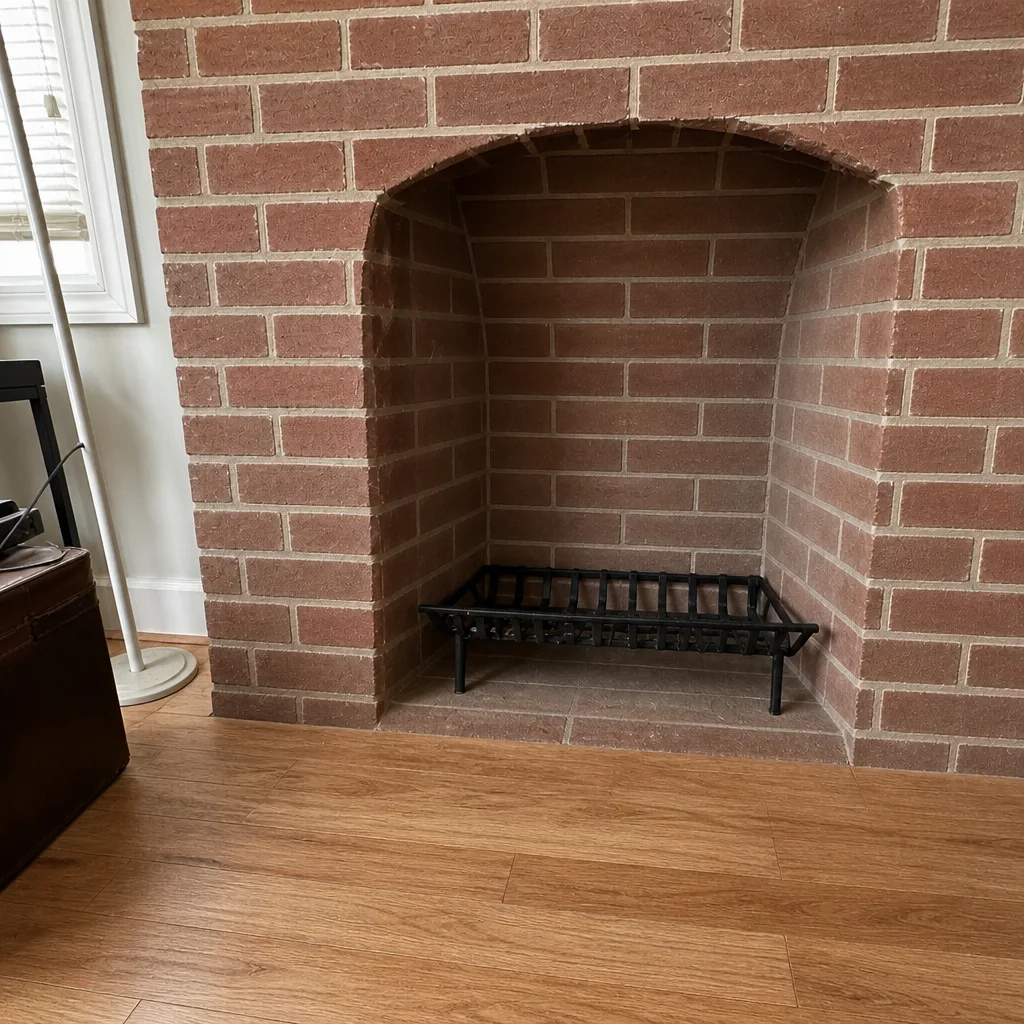
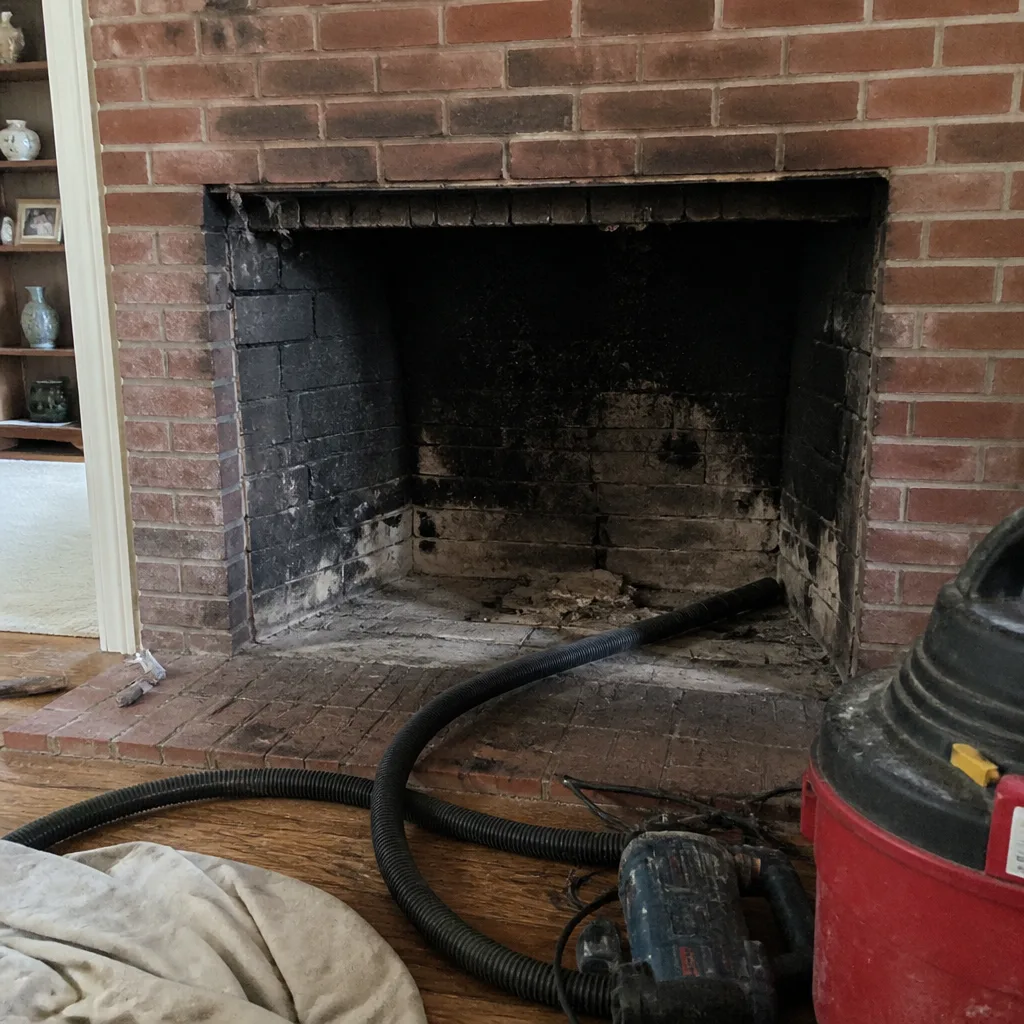
See the difference
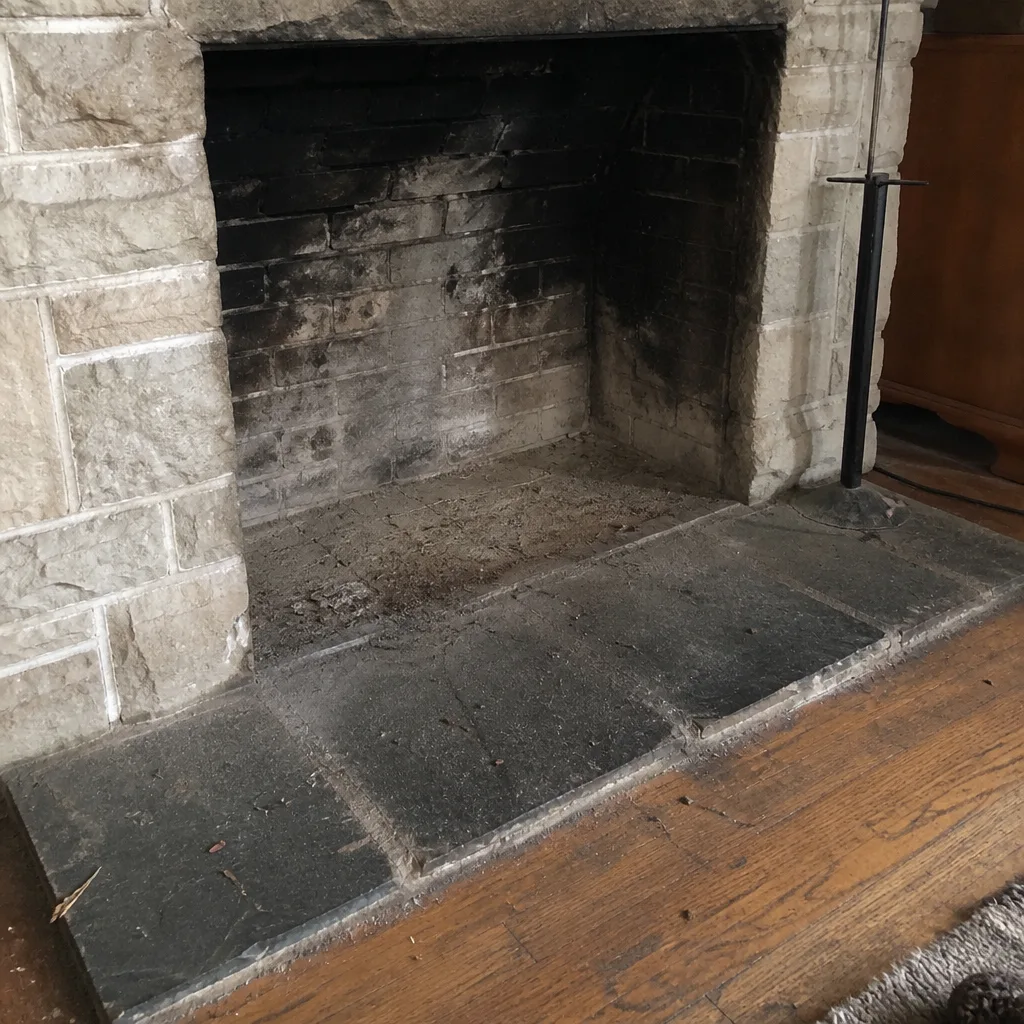 Before
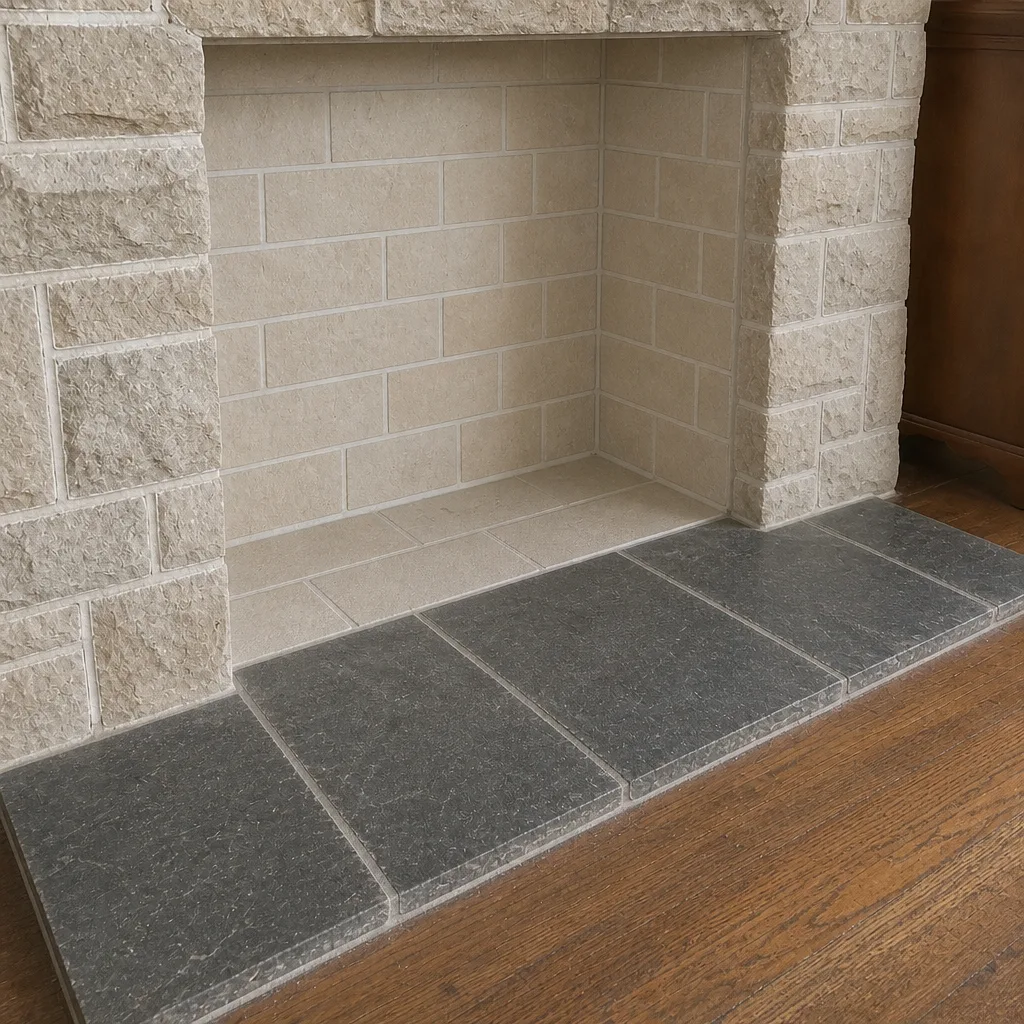 After
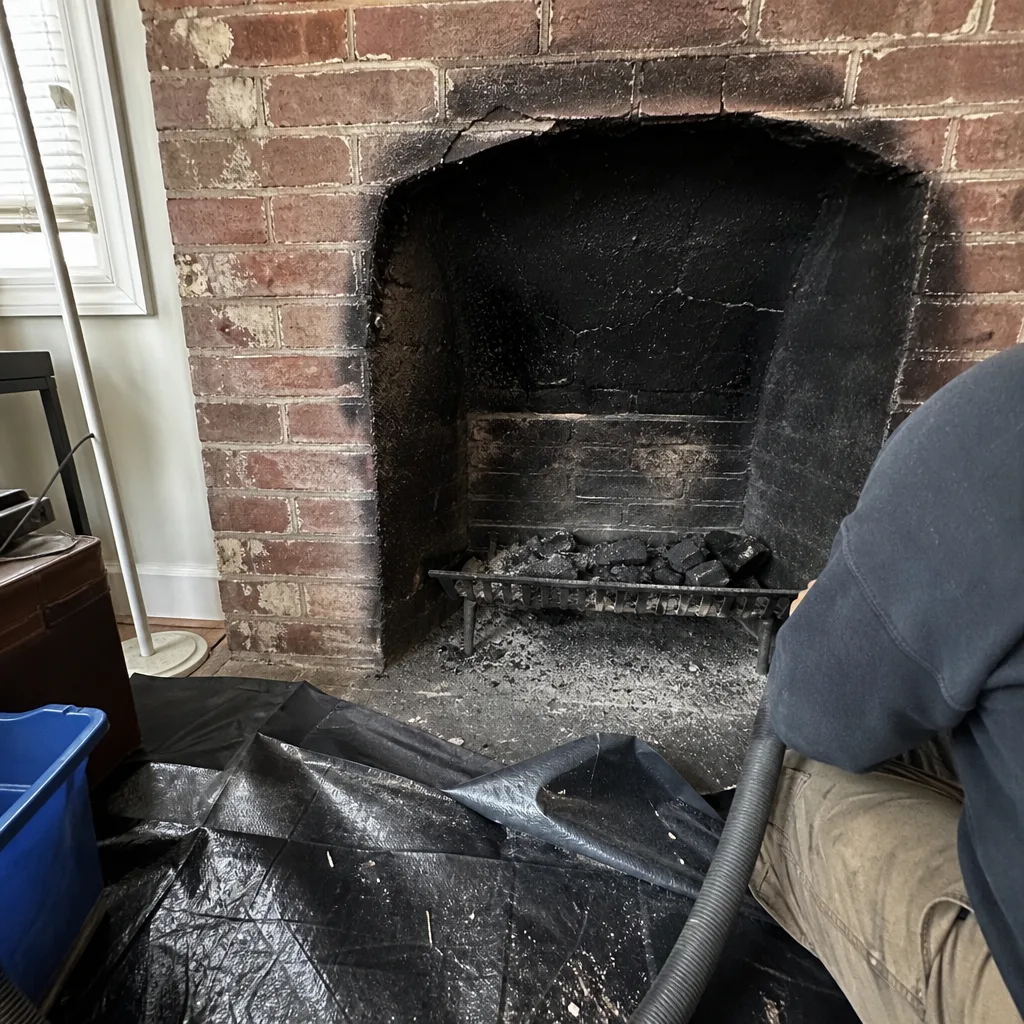 Before
 After
 Before
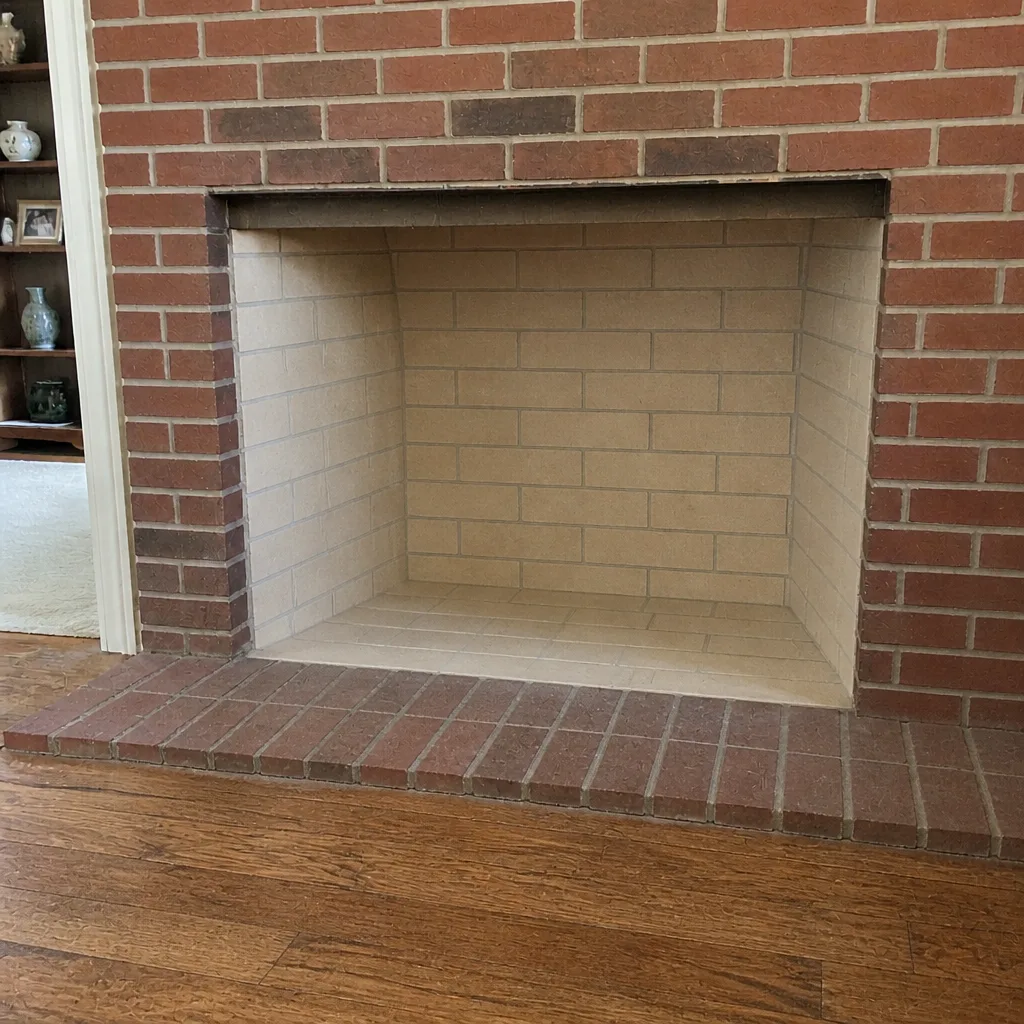 After
Frequently Asked Questions
Most wood-burning chimneys need a sweep once a year, and gas fireplaces need an annual inspection even though they don’t produce creosote. If you burn heavily or use unseasoned wood, a twice-yearly check is worth considering. The right interval depends on what the sweep finds, so schedule the first one and let the report guide the rest. Call (855) 473-9926 for an exact quote – estimates are free.
Skipping a sweep lets creosote and soot build up, and heavy creosote is what fuels a chimney fire. It also means a liner crack or a failing crown goes unnoticed for another year. The risk isn’t a dramatic one-time failure; it’s slow deterioration with no camera to catch it. Call (855) 473-9926 to book a sweep before you light the first fire of the season.
Not necessarily – that’s exactly what a flue camera is for. Many flues with minor cracking can be resurfaced with a process like HeatShield rather than fully relined, and some liners just need monitoring. The only way to know is to see the footage. Call (855) 473-9926 – estimates are free and the recommendation should come with evidence you can review.
Yes, and you should. You can spot efflorescence, crown cracks, flashing gaps, and a loose cap from the yard with binoculars. What you can’t check from the ground is the liner, because it’s above the damper and out of sight without a camera. Call (855) 473-9926 when you want the flue itself inspected.
They should be, and a proper maintenance visit includes the gas side. Gas inserts need their venting, burner, glass, gaskets, and combustion safety checked annually, and they’re a carbon monoxide source if neglected. This is why we treat the gas side as part of the checklist rather than a separate service. Call (855) 473-9926 to schedule.
The estimate is free and the price for a sweep is set per job by the written estimate. What matters more than the number is what the visit includes: a full sweep, a camera look at the liner, an exterior check, and a written report you can compare year over year. Call (855) 473-9926 for a free estimate and we’ll walk through what your chimney actually needs.
The Bottom Line
A chimney maintenance checklist is worth keeping only if it’s honest about what you can and can’t verify. The tiered approach works: monthly visual checks, an annual professional sweep and camera inspection before the season, and a structural review every five years. The liner is the one item you can’t check from the hearth, and it’s the one that matters most. Keep a log between visits, compare sweep reports year over year, and let a specialist handle the flue itself. Clover Chimney Sweep connects homeowners across Louisville with the professional Clover Chimney Sweep work the job needs. Call (855) 473-9926. We answer 24/7. Fast dispatch from 7am to 7pm, Sunday through Friday. We’re closed Saturday. Our technicians have up to 9 years of experience, and we name the brands we use because what goes into your chimney matters as much as the labor.
Written by the team at Clover Chimney Sweep.