
Last updated November 15, 2026
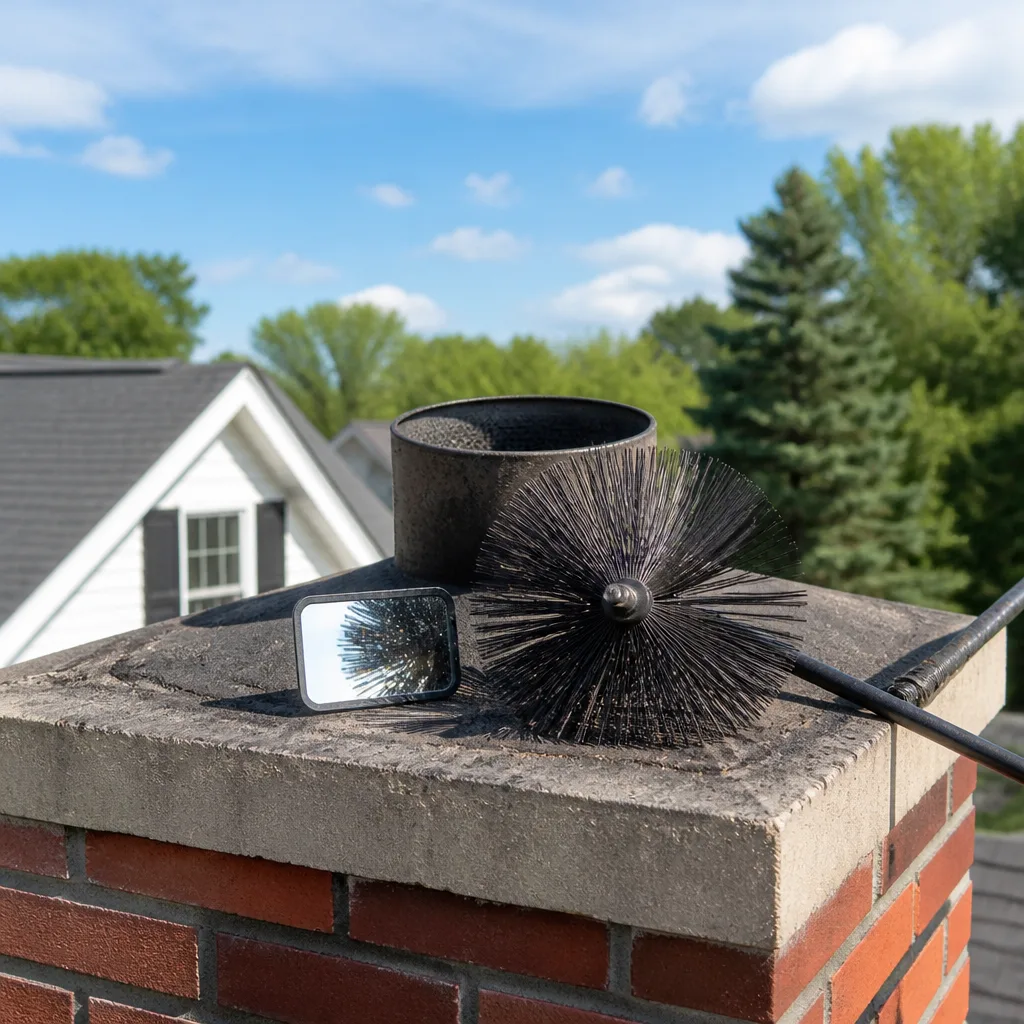 Sweep & inspection
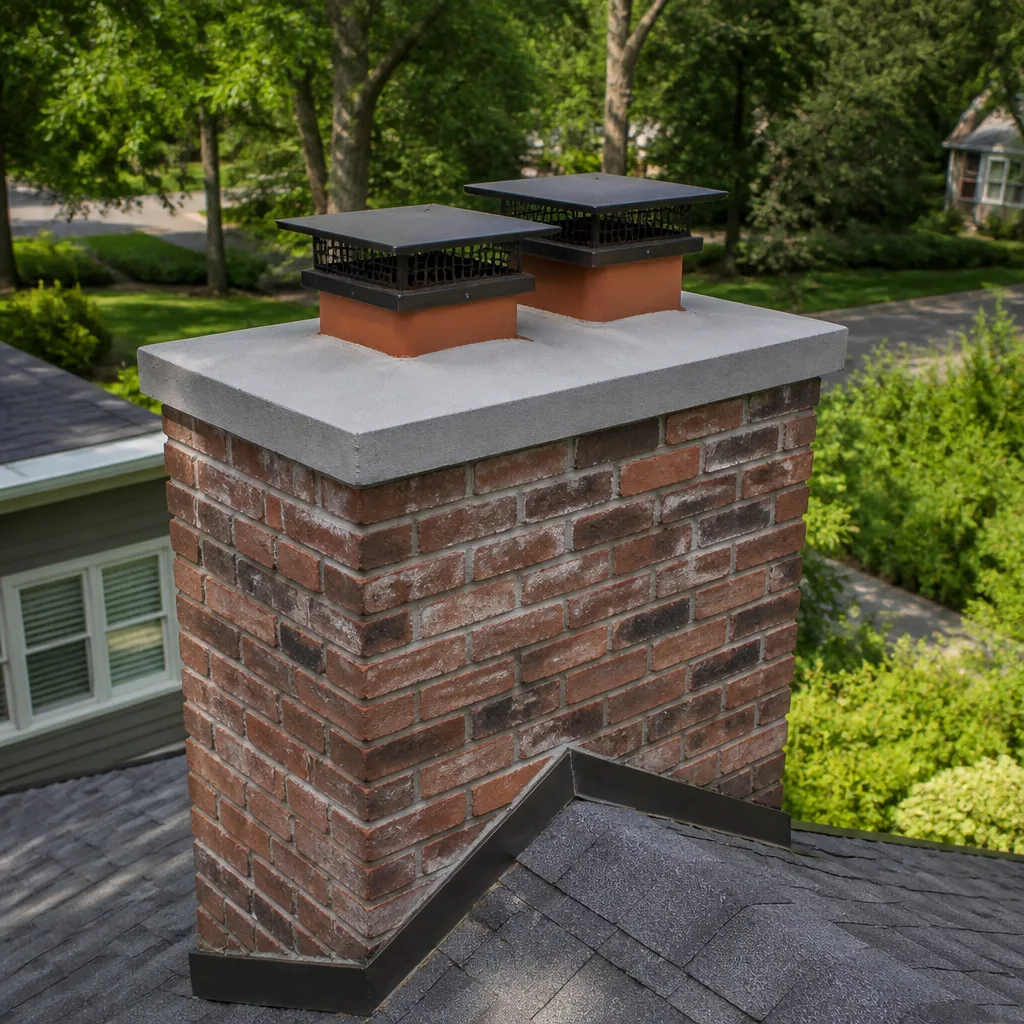 Caps & crowns
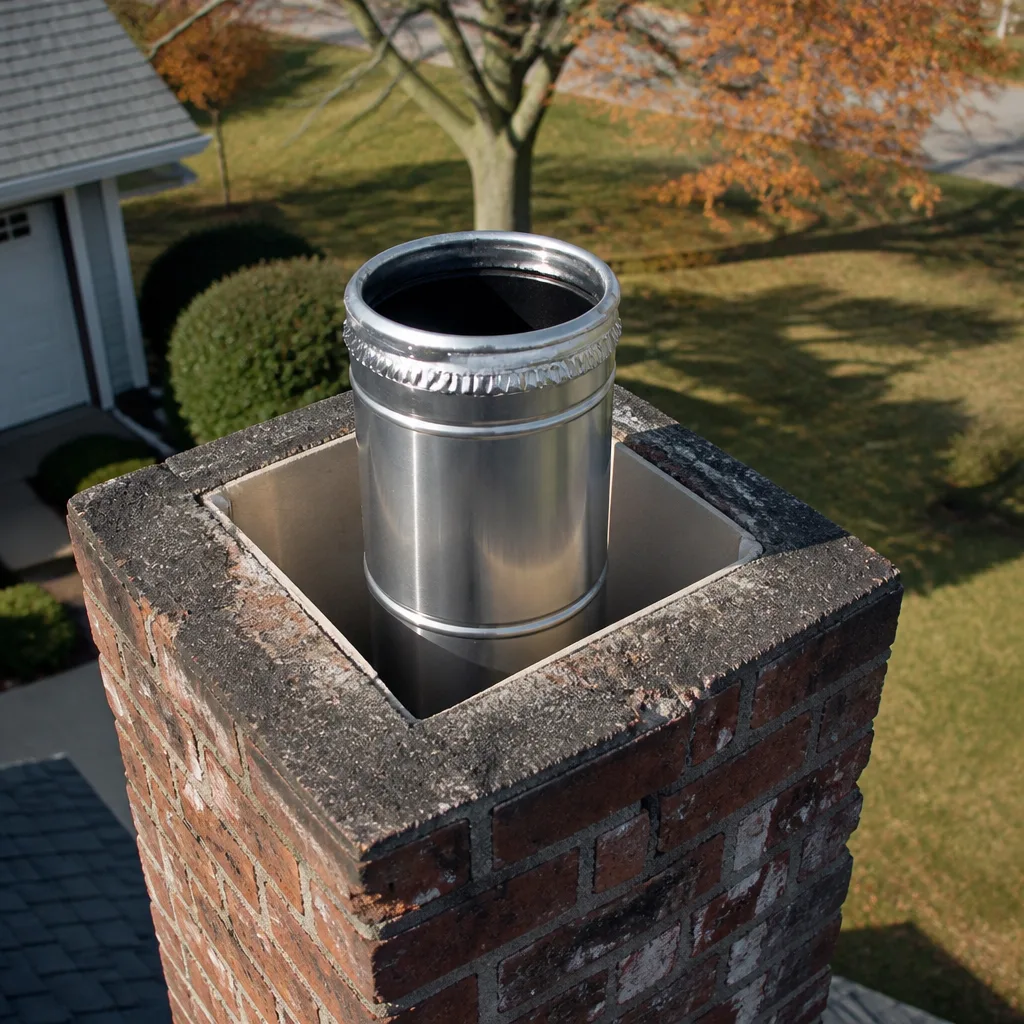 Flue relining
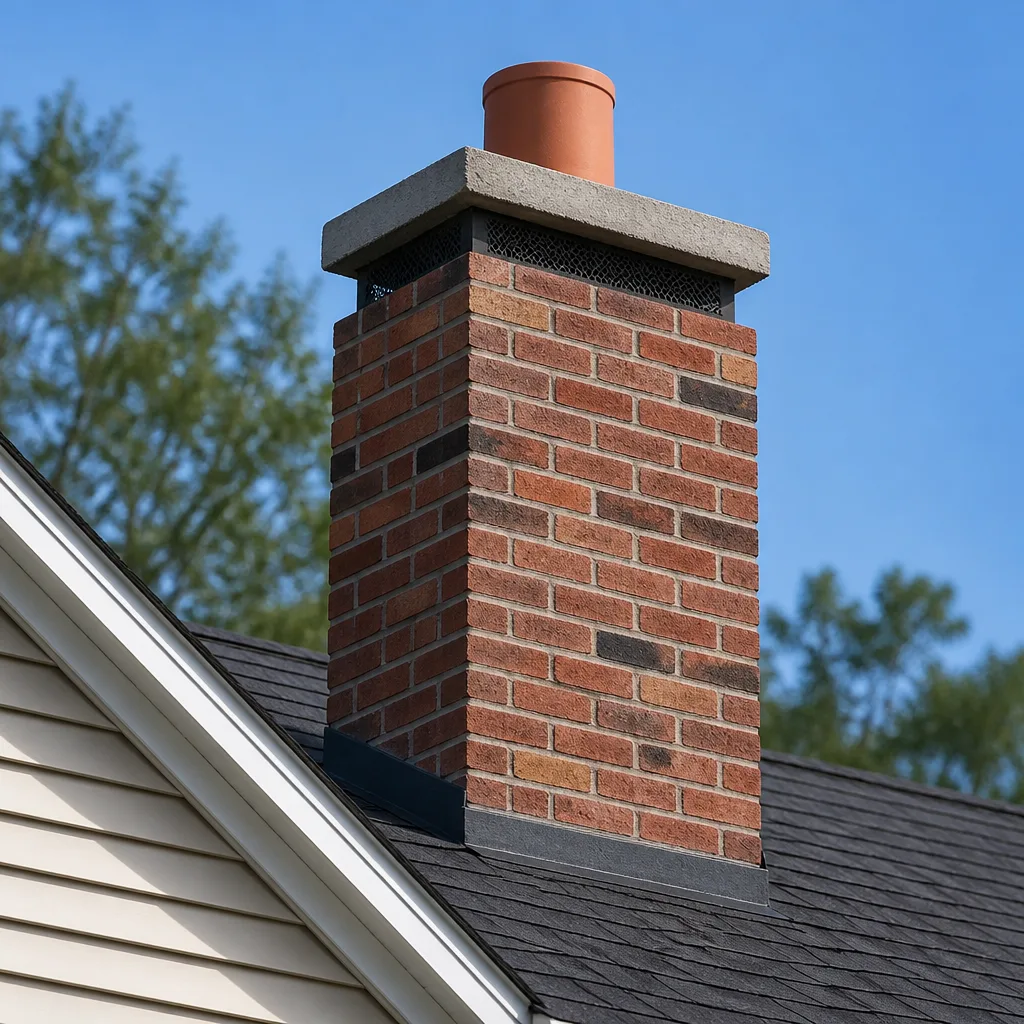 Masonry repair
 Gas fireplace service
Level 1 sweep and inspection to the NFPA 211 annual standard - flue, crown, cap, and flashing checked and photographed
Chimney sweep logs do not sweep chimneys. They loosen some creosote - which then falls where a brush and vacuum still have to collect it.
Chimney Sweep Troubleshooting in Louisville: Common Problems and How to Fix Them
If your fireplace smokes into the room only on windy days from the southwest, that’s probably not a damper problem. It’s a pressure dynamic shaped by Louisville’s position in the Ohio River valley, and no amount of damper fiddling will cure it. Most chimney complaints get misdiagnosed the same way: a homeowner treats the symptom – smoke rolling out, a sour smell in July, a lazy fire that won’t draw – and assumes one fix handles all of it. In our experience around Louisville, three separate causes hide behind those identical symptoms, and they need three different fixes. This guide walks you through reading the actual cause, from flue alignment shifted by clay soil settling to freeze-thaw damage on the chimney crown, and tells you plainly which problems you can handle and which need a trained eye.
Quick Answer
Most chimney problems in Louisville trace to one of four root causes: drafting and pressure issues, creosote buildup, water and freeze-thaw damage to the masonry, or a flue that’s the wrong size or shape for the appliance. The symptom you notice (smoke, odor, slow draw, crumbling mortar) rarely matches the cause directly, so the fix starts with a proper inspection rather than a guess. If smoke, smell, or visible damage has been building for more than a season, book an inspection before you spend money on a repair that may address the wrong thing.
Styles & brands we work with
- Sweep & inspection
- Caps & crowns
- Flue relining
- Masonry repair
- Gas fireplace service
Table of Contents
- How to Tell a Draft Problem From a Flue Sizing Problem From a Negative-Pressure House
- Why Freeze-Thaw Cycles Cause Most Louisville Masonry Damage
- Reading the Smell: Creosote, Animals, or Moisture
- What a Smoke Test Reveals That a Flashlight Never Will
- How Jefferson County’s Clay Soil Shifts Flue Alignment
- DIY Fixes That Are Safe vs. Ones That Void Your Insurance
- A Step-by-Step Troubleshooting Checklist
How to Tell a Draft Problem From a Flue Sizing Problem From a Negative-Pressure House
Three different failures produce almost the same complaint: “my fireplace smokes.” Sorting them out is the single most useful troubleshooting skill a homeowner can develop, because each one has a completely different fix and only one of them involves the chimney itself.
Draft problems are about the chimney’s ability to pull air up and out. A cold flue, a blockage, a cap that’s too restrictive, or a chimney that’s too short for the roofline will all slow the draw. Draft problems usually show up every time you light a fire, not just sometimes, and they often improve once the flue warms up.
Flue sizing problems are about the mismatch between the appliance and the flue it vents into. A firebox opening that’s oversized for the flue, or a flue that’s too large for a wood insert, creates a chimney that can’t generate enough velocity to carry smoke up. These show up as smoke that spills into the room on startup and clears as the fire builds, or a fire that burns lazily no matter how dry the wood is.
Negative-pressure houses are the one most homeowners never consider. A tightly built or well-sealed house can pull harder on its own air than the chimney can, so the chimney loses the competition for air and smoke backdrafts into the room. This is where Louisville’s river valley topography matters. The Ohio River valley channels southwest winds in a way that changes pressure across the roofline, and a house that sits in a spot where those winds hit a certain face can backdraft only on particular weather days. Telltale signs of a pressure problem:
- Smoke appears only on windy days, especially from one direction
- The problem shows up when the furnace, dryer, or bath fan runs
- Cracking a nearby window fixes it immediately
- It happens in one room and not another fireplace in the same house
If cracking a window cures your smoke, you don’t have a chimney defect – you have a house that’s tighter than its venting can support. That’s an important distinction before anyone starts selling you a repair.
Why Freeze-Thaw Cycles Cause Most Louisville Masonry Damage
Chimney masonry in Louisville fails from water, not from age. The region averages more than 70 frost days a year, and that freeze-thaw cycle is the engine behind most of the spalling brick and crumbling mortar joints we see on Louisville chimneys. The mechanism is simple: brick and mortar are porous, they absorb rainwater, and when the temperature drops the water inside them freezes and expands. It doesn’t take a hard freeze to do damage. A cold night after a wet day is enough. Repeat that dozens of times a winter, season after season, and the material starts to break apart from the inside out.
What that looks like on a typical Louisville chimney:
- Spalling brick – the face of the brick flakes or pops off, leaving a rough, pitted surface
- Crumbling mortar joints – the mortar between bricks recedes or turns sandy, and you can scrape it out with a screwdriver
- A cracked crown – the concrete cap at the top of the chimney develops hairline cracks that let water in
- Rust stains or a white powdery bloom – signs water is moving through the masonry and pulling minerals with it
The reason this matters for troubleshooting is that freeze-thaw damage is often mistaken for ordinary wear. Homeowners see a few loose bricks and assume the chimney is just old. In reality, the mortar joints are the first thing to fail, and once they do, water gets behind the brick and the freeze-thaw cycle accelerates. A chimney that’s shedding mortar isn’t aging gracefully – it’s taking on water and needs the crown and the joints looked at before the next winter. When we repair masonry around Louisville, sealing the crown and repointing the joints usually stops the cycle, but only if it’s caught before the brick itself starts to go.
Reading the Smell: Creosote, Animals, or Moisture
Your nose is a more useful diagnostic tool than most homeowners realize. The three most common chimney odors in Louisville each have a distinct signature, and telling them apart points you toward the right fix before anyone climbs on the roof.
- Creosote: a sharp, acrid, tar-like smell, strongest on warm, humid days when the chimney isn’t drawing air up and out. Creosote is unburned wood tar that condenses on the flue walls, and it smells like a cold campfire that’s gone stale. The smell gets worse in summer because a warm chimney with no fire doesn’t pull air the way it does in winter.
- Animal intrusion: a musky, ammonia-tinged, or distinctly “animal” odor, often with scratching or fluttering sounds. Birds, squirrels, and raccoons get into uncapped or damaged chimneys, and their droppings and nesting material create a smell that’s nothing like creosote. A properly fitted cap is the long-term answer.
- Moisture-damaged masonry: a damp, musty, earthy smell, like a basement after a storm. This one points to water getting into the brick and mortar, often through a failed crown or unsealed flashing. It’s the smell that pairs with the freeze-thaw damage described above.
There’s overlap, and a chimney can have more than one problem at once – creosote plus moisture is a common combination after a wet winter. But if you can name the smell, you’ll know roughly where the inspection should start: creosote means a sweep is overdue, animal odor means a cap and a sweep, and a musty smell means the masonry is taking on water. None of these is a smell to mask with an air freshener; each one is telling you something specific about the flue.
What a Smoke Test Reveals That a Flashlight Never Will
A flashlight-and-mirror look from the firebox is the most common inspection method, and it’s also the one that misses the most. A visual check from below can see the lower flue and the damper area, but it can’t see around offsets, behind the smoke shelf, or into the upper flue where most liner damage actually lives. That’s where a smoke test comes in during a Level 2 inspection.
The process is straightforward:
- A small smoke source is introduced to the flue or firebox.
- The technician watches where the smoke travels – up the flue as it should, or out through gaps, cracks, and joints it shouldn’t.
- Any place smoke escapes into the house, attic, or wall cavity is a place combustion gases can escape during a real fire.
What the smoke reveals that a flashlight can’t:
- Cracks in the flue liner that are invisible from the firebox but open enough to leak smoke
- Failed joints between liner sections where gases slip out of the flue path
- Hidden breaches behind the smoke shelf or at offsets in the flue
- Draft problems in real time – if smoke curls back into the room during the test, you’re seeing the backdraft the fire would produce
The principle is simple: smoke finds the same paths that carbon monoxide and combustion gases find. A flashlight shows you the surface of the flue. A smoke test shows you how the flue actually behaves under pressure, which is what matters when there’s a fire in the box. If you’ve been told your liner looks “fine” from below, a smoke test is the second opinion worth getting. For a closer look at how a full assessment works, our chimney sweep service includes inspection as part of the visit.
How Jefferson County’s Clay Soil Shifts Flue Alignment
One of the least-understood causes of chimney problems in Louisville is the ground under the house. Jefferson County sits on clay-heavy soil, and clay does something troublesome when its moisture content changes: it swells when wet and shrinks when dry. That movement is small at any given moment, but a foundation that shifts even a fraction of an inch over years is enough to move a chimney out of plumb. And a chimney that leans or shifts carries its flue with it.
When the flue goes out of alignment, a few things happen:
- Offsets and joints open up, creating gaps where smoke and gases can escape
- The flue draft weakens because the path is no longer straight and smooth
- Liner sections separate at their seams, which is exactly where a smoke test tends to find leaks
This is why a chimney can look perfectly sound from the outside and still perform poorly. The problem isn’t the brick you can see – it’s the alignment of the flue inside it. Clay soil settling is a slow process, and it’s easy to mistake the resulting draft problems for something else entirely. Homes on older foundations, or on lots that drain poorly, are the ones where we tend to see it. If your fireplace has slowly gotten harder to light over the years, without any obvious change in the chimney or the wood you burn, flue alignment is a real suspect.
This is also where a proper inspection earns its keep. You can’t see a flue alignment problem from the ground, and you can’t fix it with a damper adjustment. It takes a look at the flue from the top and bottom, plus a test of how the chimney actually drafts, to know whether the flue has shifted and whether relining is the answer. When it is, a flexible liner system like DuraFlex is often the tool for the job because it can follow an irregular or offset flue path that a rigid liner can’t.
DIY Fixes That Are Safe vs. Ones That Void Your Insurance
Some chimney fixes are well within reach of a careful homeowner. Others are exactly the kind of work that creates a safety hazard, and in some cases a coverage problem, if it goes wrong. Here’s where the line sits.
Reasonable DIY:
- Clearing leaves and debris off the chimney cap and crown
- Replacing a missing or damaged cap with a properly sized one (this is a Famco or Copperfield cap replacement, and it’s the kind of job a careful homeowner can do)
- Removing a bird’s nest from the firebox area when the flue is cold and the nest is reachable
- Checking that the damper opens and closes freely
- Confirming the firebox has no loose bricks you can move by hand
Leave these to a professional:
- Anything involving the flue liner itself – cracks, gaps, or relining
- Masonry repair: repointing joints, rebuilding a crown, resetting bricks
- Creosote removal beyond a light glaze – heavy creosote is fuel and needs the right tools and technique
- Any work that requires getting on the roof
- Diagnosing a draft or pressure problem, which involves reading test results, not just looking
The insurance question is worth stating plainly: if a chimney fire follows work you did on the flue or firebox, and that work can be shown to have contributed to the fire, an insurer may dispute the claim. That’s not a scare tactic, it’s how coverage tends to work when a loss traces back to unpermitted or improper work on a system designed to contain fire. The safe rule: if the repair touches the flue, the liner, or the masonry, it’s a job for someone trained to do it. The cap and the yard-level debris are yours to handle.
One more caution on the most dangerous parts of any chimney system. Creosote removal, liner work, and masonry repair that involves height all carry real risk, and a chimney is not the place to learn by trial. If your flue has heavy buildup or visible cracks, or if the chimney is leaning, stop and bring in someone who does the work safely every day. Our chimney repair team handles the jobs that sit on the wrong side of that line.
A Step-by-Step Troubleshooting Checklist
Work through these steps in order when you’re trying to figure out what’s wrong with your chimney. Most problems will announce themselves by the step where something fails.
- Watch the smoke on a normal day. Does it draw up, or spill into the room? If it only misbehaves on windy days, suspect a pressure problem rather than a chimney defect.
- Test the window trick. Crack a window near the fireplace and relight. If the smoke straightens out, you have a negative-pressure house, not a blocked flue.
- Smell the chimney when there’s no fire. Acrid and tar-like means creosote. Musky or ammonia means animals. Musty and damp means moisture in the masonry.
- Look at the firebox and damper. Is the damper fully opening? Are bricks loose? Is there a glaze of creosote on the firebox walls?
- Check the exterior from the ground. A lean, crumbling mortar joints, a cracked crown, or a missing cap all point to different problems.
- Note when the problem started and whether it’s getting worse. A problem that appeared gradually over years points toward settling or alignment; one that appeared suddenly points to a blockage or an animal.
- Book an inspection. If the checklist turns up anything beyond a missing cap, get a Level 2 inspection with a smoke test so you know what you’re actually dealing with.
If you’re in Louisville and you’ve run through this list, you’ll probably have a good sense of which of the four root causes you’re facing. That makes the conversation with an inspector much more productive, and it makes it harder for anyone to sell you a repair you don’t need.
Common Mistakes to Avoid
- Treating every smoke problem as a damper issue. Damper adjustment is the go-to guess, but if the smoke only appears on windy days, the damper is almost never the cause. The fix is a pressure solution, not a mechanical one.
- Assuming age is the reason the masonry is failing. In Louisville, freeze-thaw cycles and clay-soil settling are the usual culprits, and both are treatable if caught early. Calling it “just an old chimney” lets the damage keep going.
- Skipping the smoke test because a flashlight look seemed fine. A visual check from the firebox misses the upper flue and the joints where most liner leaks live. The smoke test is what turns a guess into a finding.
- Sealing up a drafty house to save energy without thinking about the chimney. A tighter house pulls harder on its air supply, and a chimney can lose that competition. If you’ve weatherized and now the fireplace backdrafts, the two are connected.
- Burning wet or unseasoned wood to “get through the season.” Wet wood makes more creosote and a weaker fire, which compounds both the buildup problem and the draft problem. Dry wood is the cheapest fix on this list.
- Putting off a cap because the chimney “works fine.” An uncapped Louisville chimney is an open door for rain and animals. The cap is a small guard against two of the biggest causes of trouble on this page.
- Hiring a generalist for liner or masonry work. Flue relining with a brand-specific system like DuraFlex, or ceramic resurfacing with HeatShield, takes training a handyman doesn’t have. The materials and the technique are the whole job.
See the difference
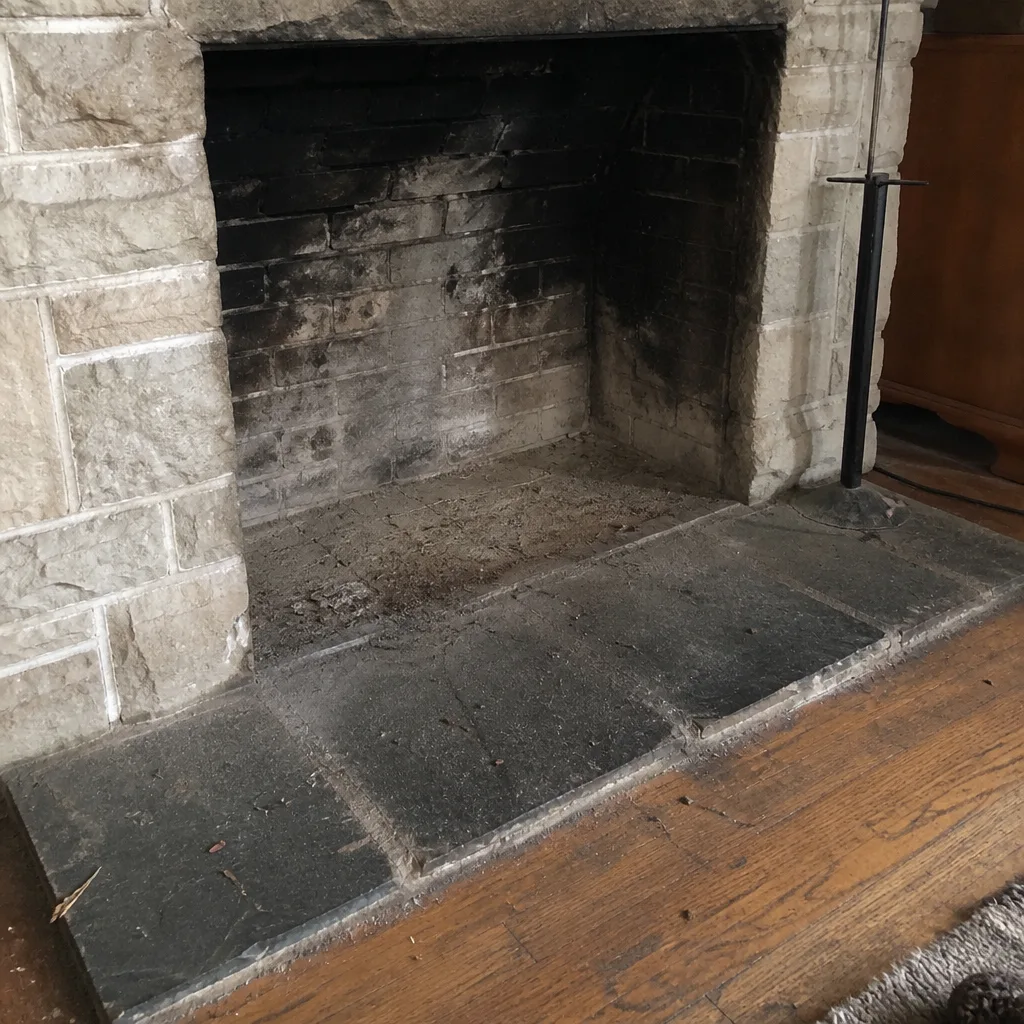 Before
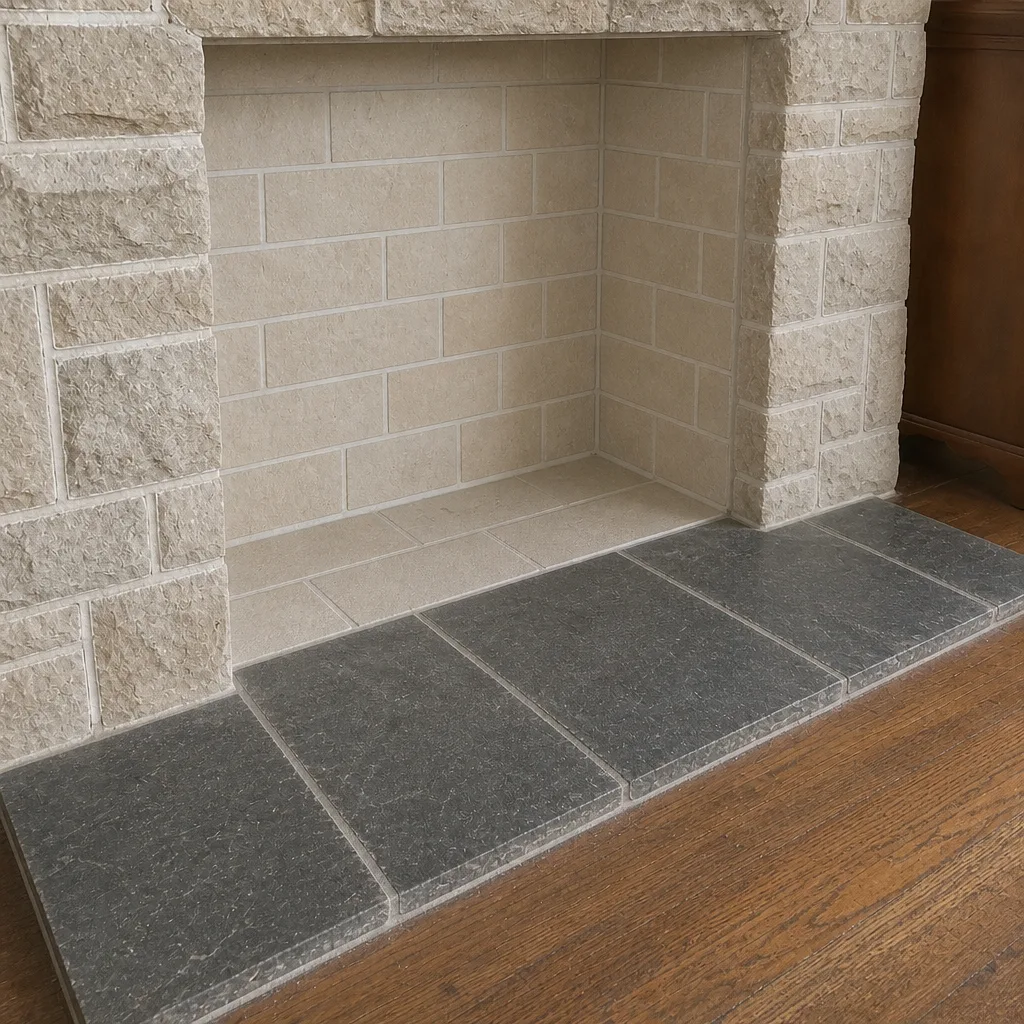 After
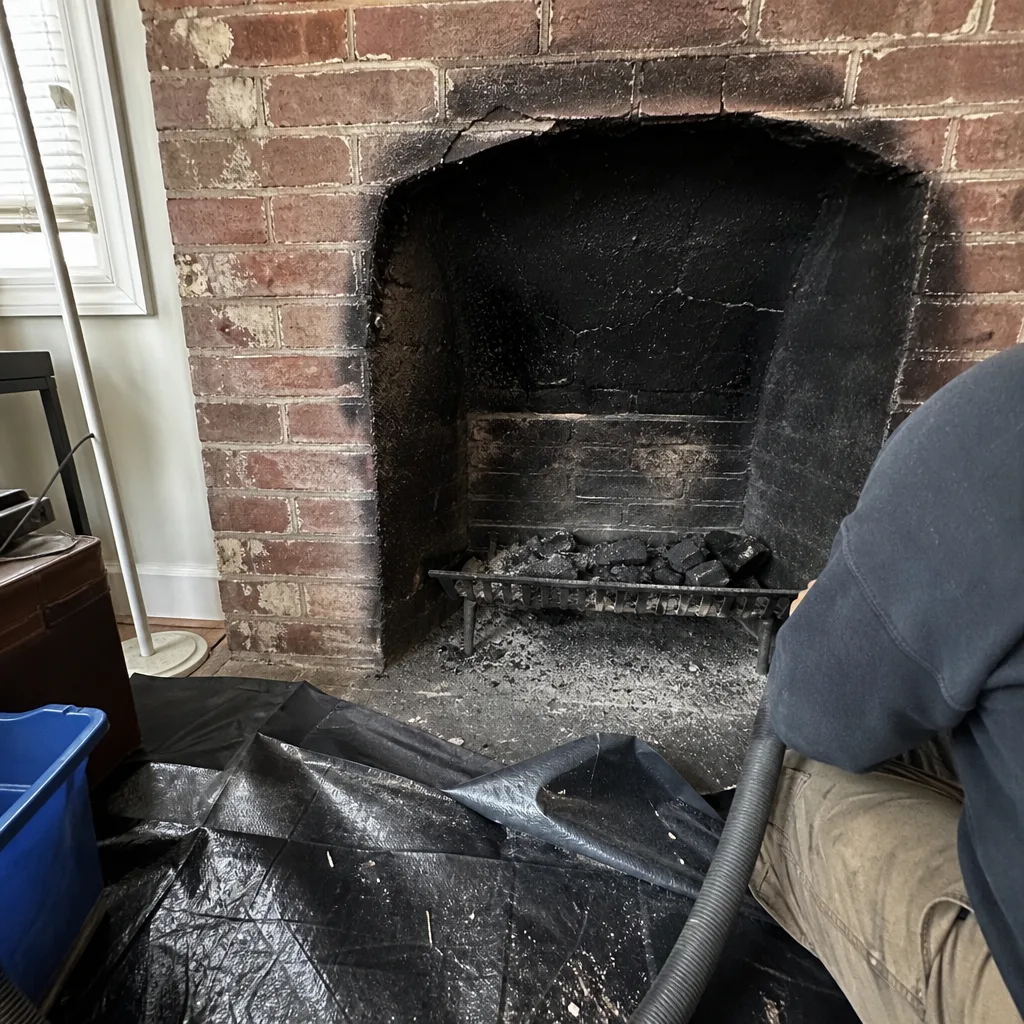 Before
 After
 Before
 After
When to Call a Professional
Call a professional if your fireplace smokes into the room and the window trick doesn’t fix it, if you smell creosote or animal odor from the flue, if you see crumbling mortar, spalling brick, or a cracked crown, or if your chimney leans or has visibly shifted. Call sooner rather than later if the problem has been building for more than one season, because freeze-thaw damage and soil settling both get more expensive the longer they run. If you’ve never had the chimney inspected and you burn wood regularly, a Level 2 inspection is the right starting point, regardless of whether you’ve noticed a problem. Clover Chimney Sweep offers free estimates in Louisville – call (855) 473-9926. Our technicians have up to 9 years of experience, and we’ll tell you plainly which of the problems above you’re facing and which ones, if any, can safely wait.
Frequently Asked Questions
Smoke on windy days, and not on calm ones, almost always points to a pressure problem rather than a dirty or blocked flue. Louisville sits in the Ohio River valley, and southwest winds interact with the roofline in a way that can overpressure one face of the house and pull smoke back down the chimney. Cracking a window to see if the smoke clears is a quick way to confirm it before calling anyone.
It’s common, and it usually means creosote. In warm weather the chimney doesn’t draw the way it does with a fire going, so the acrid, tar-like smell of creosote sits in the flue and works its way into the house. If the smell is musky instead, suspect animals, and if it’s musty, suspect moisture in the masonry. A sweep clears the creosote cause; the other two need a different fix.
A smoke test is the more revealing of the two, especially during a Level 2 inspection. A flashlight look from the firebox sees the lower flue and the damper area but misses the upper flue, offsets, and joints where liner damage usually sits. A smoke test shows where gases actually escape under pressure, which is the same path a chimney fire would take.
Freeze-thaw cycles are the usual reason in Louisville, which averages more than 70 frost days a year. Water soaks into the porous mortar, freezes overnight, expands, and over many cycles the joints break down. Age alone doesn’t do this – moisture does. Repointing the joints and sealing the crown usually stops the cycle if the brick hasn’t started spalling.
You can handle the safe end of the list: clearing debris off the cap, replacing a damaged cap, removing a reachable bird’s nest from a cold firebox, and checking the damper. Anything involving the flue liner, masonry repair, heavy creosote removal, or roof work should go to a trained professional, partly because it’s dangerous and partly because improper work on a fire-containment system can complicate an insurance claim.
A leaning chimney is a settling problem, and in Jefferson County that usually means clay-heavy soil that swells and shrinks with moisture. As the foundation shifts, the chimney moves and the flue goes with it, which opens gaps at liner joints and weakens the draft. A lean is worth an inspection, not a wait-and-see.
The Bottom Line
Most chimney trouble in Louisville is one of four things: draft and pressure problems, creosote, water damage driven by freeze-thaw cycles and clay-soil settling, or a flue that doesn’t fit its appliance. The symptom you notice rarely points straight at the cause, which is why a smoke test and a proper Level 2 inspection beat a visual guess every time. Start with the troubleshooting checklist, handle the safe fixes yourself, and bring in a specialist for anything that touches the flue, the liner, or the masonry. One call covers the full chimney – sweep, inspect, repair – and we name the brands we use, because what goes into your chimney matters as much as the labor. Clover Chimney Sweep serves homeowners across Louisville and the surrounding area.
If you’ve run through the checklist and the cause still isn’t clear, or if you’d rather have a specialist read your chimney before you spend anything on a repair, we can help. Learn more about Clover Chimney Sweep and how we work. Call (855) 473-9926 for a free estimate. We answer 24/7. Fast dispatch from 7am to 7pm, Sunday through Friday. That covers everything from a routine sweep before the season to a HeatShield resurfacing job or a full DuraFlex relining when the flue actually needs it – and we’ll tell you which one your chimney needs. Clover-clean and ready for the season.
Written by the team at Clover Chimney Sweep.