
Last updated November 15, 2026
 Sweep & inspection
 Caps & crowns
 Flue relining
 Masonry repair
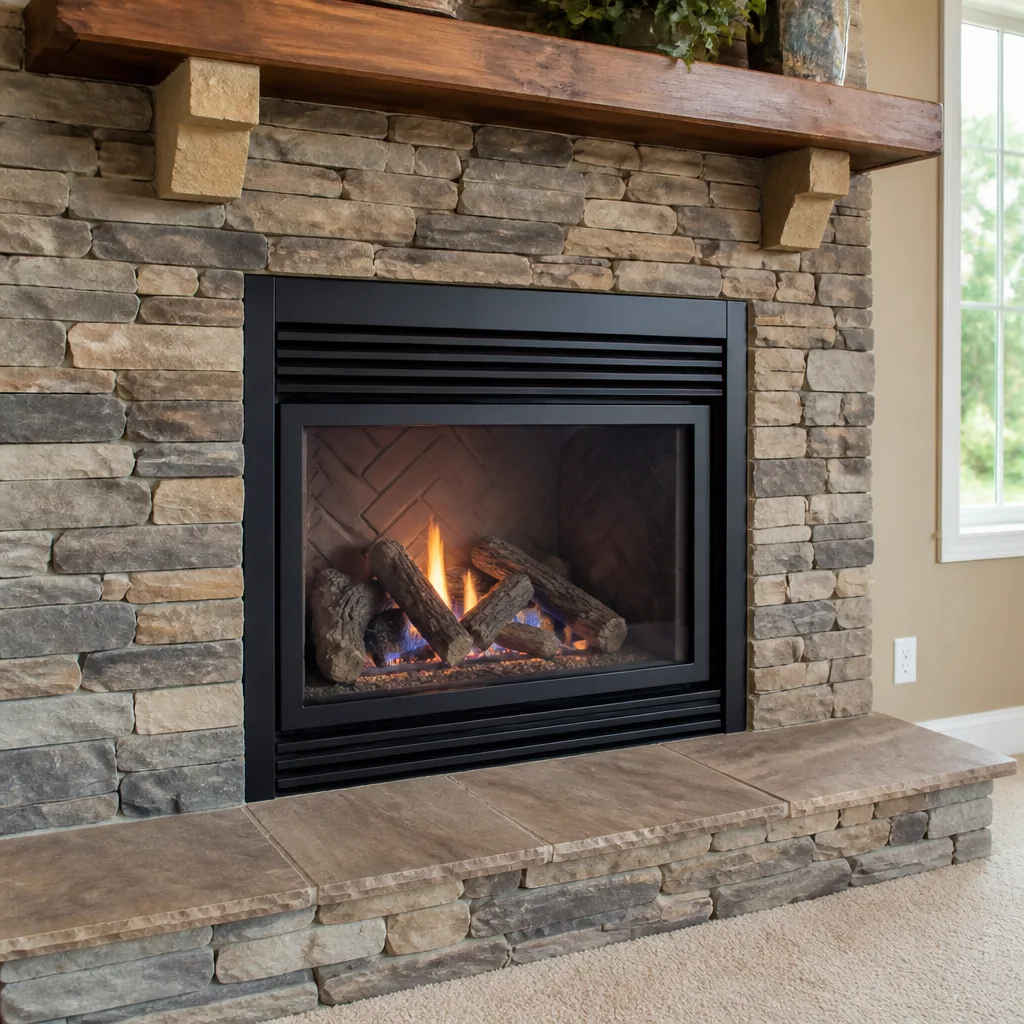 Gas fireplace service
Level 1 sweep and inspection to the NFPA 211 annual standard - flue, crown, cap, and flashing checked and photographed
Chimney sweep logs do not sweep chimneys. They loosen some creosote - which then falls where a brush and vacuum still have to collect it.
The Complete Guide to Chimney Cleaning in Louisville
Most chimney fires don’t start in the dead of winter. They start in October, on the first cool evening someone lights a fire in a flue that has spent eight months collecting moisture, flaking mortar, and whatever nested in it over the summer. Louisville’s long, humid shoulder seasons are the real danger window, and they’re the reason a spring or early-fall cleaning often matters more than a mid-January one. This guide covers how chimney cleaning actually works in Louisville, why the Ohio River valley is harder on chimneys than drier climates, what the different cleaning and inspection levels mean, and how to tell a real sweep visit from a sales pitch.
Quick Answer
Chimney cleaning in Louisville means removing creosote, soot, and debris from the flue and firebox, then inspecting the chimney for the moisture and structural damage that the region’s humid summers tend to accelerate. Most wood-burning fireplaces need cleaning once a year, or sooner if you burn heavily. A cleaning is not the same as a full inspection, and a good provider does both, then shows you evidence before recommending any repair.
Styles & brands we work with
- Sweep & inspection
- Caps & crowns
- Flue relining
- Masonry repair
- Gas fireplace service
Table of Contents
- Why Louisville’s Climate Is Hard on Chimneys
- The Three Stages of Creosote and What They Mean
- Chimney Sweep vs. Chimney Cleaning: What’s the Difference?
- Older Craftsmans and Gas-Insert Retrofits: Two Different Cleaning Protocols
- Level 1 vs. Level 2 Inspections: What Each Covers
- What a Professional Cleaning Actually Involves
- How Much Does Chimney Cleaning Cost in Louisville?
- How Often Should You Schedule Cleaning?
Why Louisville’s Climate Is Hard on Chimneys
Louisville sits in the Ohio River valley, and that geography shows up in your chimney whether you think about it or not. Summers here run humid, with weeks of heavy moisture in the air, and winters bring a real heating season with enough cold stretches to keep a fireplace in steady use. That combination is tougher on masonry and liners than either a dry climate or a mild one.
Here’s what humidity does. Brick and mortar are porous. Through the warm months, when the chimney sits idle, moisture from humid air works its way into the masonry. Then the heating season arrives, the flue heats up, and that trapped moisture expands and pushes outward as it turns to vapor. Repeat that cycle year after year and you get mortar spalling: the surface of the mortar joint flakes and crumbles. Left long enough, it works deeper into the joint. This is a slow process, but it’s real, and it’s the kind of thing a trained eye catches during an inspection long before a homeowner notices anything from the living room.
Liner condensation is the other half of the story. Metal liners, and clay tile liners alike, deal with moisture differently in a humid climate. When warm, moist air meets a cooler flue surface, condensation forms. Over a long humid season that moisture sits against the liner and the surrounding masonry. It’s part of why a chimney that looks fine from the hearth can have problems hiding inside.
What does this mean for cleaning? In Louisville, the timing of a cleaning matters as much as the cleaning itself. A flue that spent the whole humid season open to the air may have collected more than soot. Animals find their way in. Nesting material, leaves, and debris settle at the smoke shelf. A professional chimney sweep checks for all of it, not just the creosote. Getting the flue cleared and inspected before the first fire of the season is the single most useful habit a Louisville homeowner can build.
The Three Stages of Creosote and What They Mean
Creosote is the residue left behind when wood smoke cools and condenses on the inside of the flue. It’s the main reason chimneys need cleaning, and it comes in three recognizable stages. Knowing the difference helps you understand what a sweep is describing when they show you the inside of your flue.
- First-degree creosote is light and sooty, a thin dusting of flakes on the flue walls. It’s the easiest to remove and the least dangerous. A standard brush cleaning handles it.
- Second-degree creosote is darker and denser, a crusty layer that clings to the flue surface. It’s harder to remove than a light dusting and takes more deliberate work with the right tools. This is the stage where a homeowner should pay attention to what the sweep says, because it means the fire has been running cool enough for smoke to condense heavily.
- Third-degree creosote is the glazed, hardened, tar-like stage. It’s baked onto the flue and can be extremely difficult to remove with standard brushing. This is the stage most associated with chimney fire risk, and it often means the flue has gone far too long between cleanings or the fire has been consistently smoldering rather than burning hot.
In Louisville’s wood-burning homes, first and second-degree creosote are the everyday reality. A lot of fireplaces here are used for ambiance on cool evenings rather than as a primary heat source, and that pattern of short, low, smoldering fires is exactly what produces sticky second-degree buildup over a season. Third-degree creosote shows up most often in homes where the chimney has gone several seasons without attention, or where an older unit has been run hard without a proper inspection.
What you should take from this: creosote stage isn’t something you can judge from the fireside, and it isn’t something to guess at. It’s something a sweep checks and can show you. If a flue has reached the glazed stage, standard brushing may not be enough, and that’s a conversation worth having honestly rather than at the last minute. A specialist can tell you whether your flue needs a full reline or whether resurfacing is the smarter path, and those are very different jobs.
Chimney Sweep vs. Chimney Cleaning: What’s the Difference?
People use the terms interchangeably, but they aren’t the same thing, and the confusion can cost you money. A “sweep” historically refers to the trade and the person, and a “sweep visit” is often shorthand for the whole appointment. But a cleaning and a sweep aren’t always identical in scope, and a full inspection is a separate service again.
- A chimney cleaning is the physical removal of creosote, soot, and debris from the flue and firebox. It’s a hands-on task with brushes, rods, and a vacuum setup.
- A sweep visit is what most homeowners picture: a technician arrives, cleans, and does a basic visual check. What that check actually includes varies a lot by provider, and that’s where the confusion starts.
- A chimney inspection is a formal condition assessment. It can be as basic as a visual walk-around or as thorough as a camera-assisted look at the interior of the flue, and there are recognized levels for it (more on that below).
The trap is when a cleanup gets sold as an inspection, or an inspection gets skipped entirely because “the chimney was just cleaned.” A cleaning without a real inspection tells you the flue is empty. It doesn’t tell you the flue is sound. If you’re in an older Louisville home, or you’ve just bought one, that distinction matters.
The practical rule most specialists follow: a cleaning and an inspection should travel together on the same visit. You get the flue cleared and evaluated in one appointment, and you get a clear picture of what’s actually there. If a provider separates the two in a way that means a second trip and a second fee for something that should have been part of the first job, ask yourself whether you’re paying for the cleaning or the upcharge.
Older Craftsmans and Gas-Insert Retrofits: Two Different Cleaning Protocols
Louisville’s housing stock is a mix, and the chimney in a century-old Craftsman needs different handling than the flue in a newer home with a gas insert. Treating them the same is a common shortcut that a real specialist avoids.
Older masonry chimneys in classic Louisville neighborhoods often have clay tile liners that have seen decades of heating cycles. The humid summers here are especially hard on these. Mortar joints between tiles can crack, tiles can shift, and gaps open up. When a sweep cleans an older flue, the work isn’t just removing soot, it’s checking whether the liner still holds together. A brush that works fine in a sound clay liner can reveal problems in a degraded one. That’s a good thing, but it means the person running the brush needs to know what they’re looking at. This is precisely where a professional-grade liner system like DuraFlex comes in, because a flexible stainless liner can reline an aging or irregular flue that a rigid liner cannot.
Gas-insert retrofits are the other half. Plenty of Louisville homeowners have swapped a wood-burning fireplace for a gas insert, sometimes venting through the original flue and sometimes through a dedicated liner. The cleaning protocol changes. Gas burns cleaner than wood in terms of creosote, but it still needs attention: the appliance itself, the venting, and the flue connection all matter. And here’s the catch: an old wood flue that now hosts a gas insert may still have years of old creosote residue in the parts of the flue the insert doesn’t reach. That residue doesn’t magically disappear. A sweep who understands both the wood history and the gas retrofit knows to look at the whole flue, not just the active vent.
When we work with these two categories, we can tell you which product family fits what your flue actually is. A gas retrofit and a 1920s clay tile liner are not the same chimney, and the cleaning, the inspection, and any repair should reflect that. If a liner is failing, we’re set up to handle chimney repair in the same visit cycle, rather than telling you to call a third party.
Level 1 vs. Level 2 Inspections: What Each Covers
Inspection levels are one of the most misunderstood parts of chimney care, and they’re exactly where homeowners get talked into work they may not need. The industry uses three levels, and most routine visits sit at Level 1 or Level 2. Here’s what each covers in plain terms.
- Level 1 is a basic visual assessment of the readily accessible parts of the chimney and firebox, done as part of a routine cleaning. It’s appropriate when your appliance and its connections haven’t changed and you haven’t had a problem. It’s the inspection that goes with an annual maintenance visit.
- Level 2 goes further. It adds a look at more of the chimney’s accessible components, and in many cases includes camera-assisted inspection of the interior of the flue. It’s the right level when something has changed: a new appliance installation, a change in fuel type, a home sale, or a problem like a chimney fire, a storm event, or persistent drafting trouble.
- Level 3 is the deepest, and it’s diagnostic rather than routine. It involves opening up or dismantling parts of the chimney to find a hidden problem. It’s reserved for cases where the earlier levels point to something serious that can’t be seen otherwise.
So when does a Louisville homeowner actually need the Level 2? The most common situations are buying or selling a home, installing or replacing an appliance, changing what you burn, or after any event that could have damaged the flue. If you’re unsure whether you need a Level 1 or a Level 2, ask directly and have the provider explain why. That’s a fair question, and you should get a plain answer.
The bigger point is about evidence. If an inspection leads to a recommendation for substantial work, you should be able to see what the inspector saw. That’s why we work with camera-assisted inspection and share what we find: a photo or a view of the interior of the flue, not just a verbal pitch. When the evidence supports repair, we can also talk honestly about the Clover Chimney Sweep side that handles it, whether that’s a resurfacing job like HeatShield or a full reline.
What a Professional Cleaning Actually Involves
If you’ve never watched a proper chimney cleaning, it may not match what you picture. It’s a contained, methodical job, and the process is fairly consistent from home to home. Here’s the general sequence a professional visit follows.
- Protect the living space. Drop cloths and a HEPA vacuum setup go down before work starts, so soot stays in the chimney instead of on your rug.
- Assess before cleaning. The chimney and firebox are checked first, because a sweep needs to know what they’re working with. If the flue is compromised, brushing it can make things worse.
- Clear the flue. Brushes and rods (or rotary tools for tougher buildup) work the full run of the flue, with the vacuum running to capture what’s released.
- Clear the smoke shelf and firebox. Debris, ash, and anything else that has collected below the damper gets removed.
- Remove and clean the cap and screen area. The top of the chimney is where birds, squirrels, and leaves get in. A clogged or missing cap is a common find.
- Inspect what was cleaned. Once the flue is clear, the liner, mortar joints, and damper can actually be seen and evaluated.
- Report with evidence. A good sweep shows you what they found, explains what it means, and tells you plainly whether anything needs attention now, soon, or not at all.
That last step is where a lot of the value sits. A cleaning is a service, but the inspection and the honest report are what tell you the state of your chimney. If something is recommended, it should come with a reason you can see. And if something can safely wait until next season, we’ll say so. Pushing liner or masonry work on a homeowner who can’t verify the need is the fastest way to lose trust, and it’s not how a specialist should operate.
How Much Does Chimney Cleaning Cost in Louisville?
Chimney cleaning pricing is set per job by a written estimate, because no two flues are identical. A straightforward single-flue sweep in a home with one fireplace is a different job from a chimney that has gone several seasons without attention. Rather than quote you a number over the phone that wouldn’t hold up, we estimate based on what we find. That said, here’s the general shape of the cost drivers so you know what’s being weighed:
- The number of flues. A single flue is the base case. Homes with more than one flue, or a fireplace plus a separate appliance flue, take longer.
- How much buildup there is. Light first-degree creosote is quick. Heavy second-degree, or any glazed third-degree, takes more time and different tools.
- Access. Roof access versus flue access, and how the cap and top are reached, both affect the job.
- Whether an inspection is included. A cleaning that includes a proper assessment is worth more than one that just empties the flue, and it’s the part that actually tells you whether your chimney is safe.
- Any repair found during the visit. If the inspection turns up a cracked liner or failing mortar, that’s a separate conversation with its own estimate. Nothing gets added without you approving it, and nothing gets recommended without evidence you can see.
The best way to know your number is to get a written estimate. Estimates are free, and a written estimate sets the final price. Call (855) 473-9926. We answer 24/7, and dispatch runs 7am to 7pm.
How Often Should You Schedule Cleaning?
Once a year is the baseline for most Louisville wood-burning fireplaces, and annual is the right rhythm for a few reasons. It matches the seasonal cycle here: clean and inspect before the heating season, not after a problem shows up. It spreads moisture and creosote checks across the year rather than letting either build up for multiple seasons. And it’s the schedule that gives a sweep a baseline to compare against, so changes get noticed early.
That baseline shifts in a few situations:
- Heavy burners – if you heat with wood rather than using the fireplace for ambiance, more frequent cleaning is usually warranted, sometimes more than once a season.
- Low, smoldering fires – the short, damped-down fires that produce sticky second-degree creosote tend to need attention sooner than hot, clean burns.
- An older or newly purchased home – if you don’t know the chimney’s history, a Level 2 inspection is worth doing before you rely on it. This is common in Louisville’s established neighborhoods where a home may have passed through several owners.
- After any chimney event – a fire in the flue, a storm, or an animal getting in all justify a look, regardless of where you are in the annual cycle.
The real answer is that frequency should be based on condition, not just the calendar. An annual cleaning with an included inspection will tell you whether your chimney is on track or needs to be seen more often. That’s the honest rhythm.
Common Mistakes to Avoid
- Waiting until the first cold snap to book. In Louisville, by the time the first genuinely cold evening arrives, everyone else has the same idea and the flue has already spent months open to the humid air. Get the cleaning and inspection done ahead of the season, not in a scramble.
- Treating a sweep visit as an inspection. Being told “we cleaned it” doesn’t tell you the liner is sound or your mortar is holding. Ask whether a real assessment is included, and ask whether it’s a Level 1 or Level 2.
- Accepting a big repair recommendation without seeing the evidence. If someone tells you your liner has failed or your masonry is shot, ask to see the view of the interior of the flue. A recommendation you can’t verify is a recommendation you shouldn’t accept on faith.
- Running a smoldering fire all season. Damping the fire down to stretch the wood is a common habit, and it’s also the fastest way to build sticky second-degree creosote. Burn hotter, cleaner fires and let the flue stay on the calendar.
- Ignoring the cap. A missing or damaged cap is one of the most common finds in a Louisville home, and it’s how animals, leaves, and moisture get in all season. A cap check should be part of every visit.
- Assuming a gas insert needs no attention. A gas retrofit burns cleaner, but it still vents through a flue that may hold years of old wood residue. It’s not a free maintenance pass.
- Hiring a generalist for liner work. A reline isn’t a handyman job. It needs brand-specific liner systems, proper training, and tooling. Ask what materials are actually going into your chimney, and expect a specific answer.
See the difference
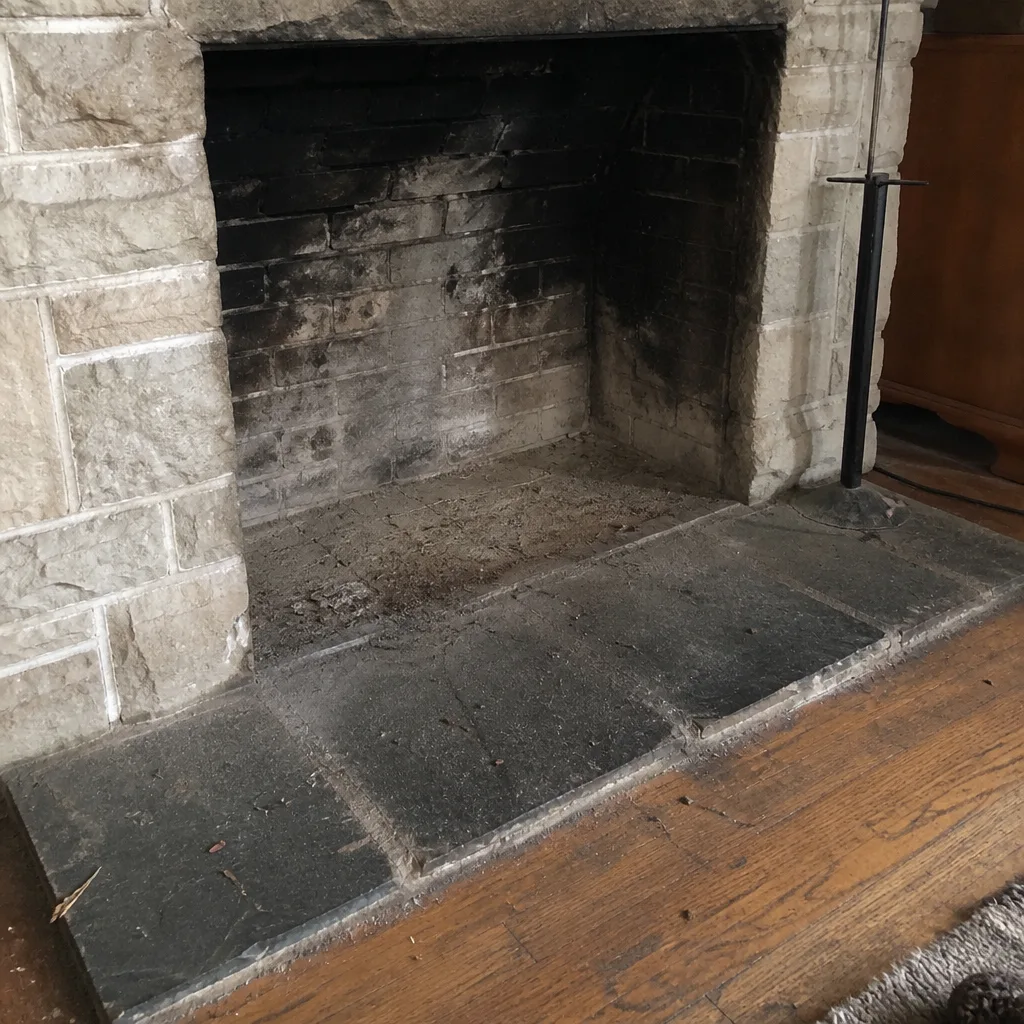 Before
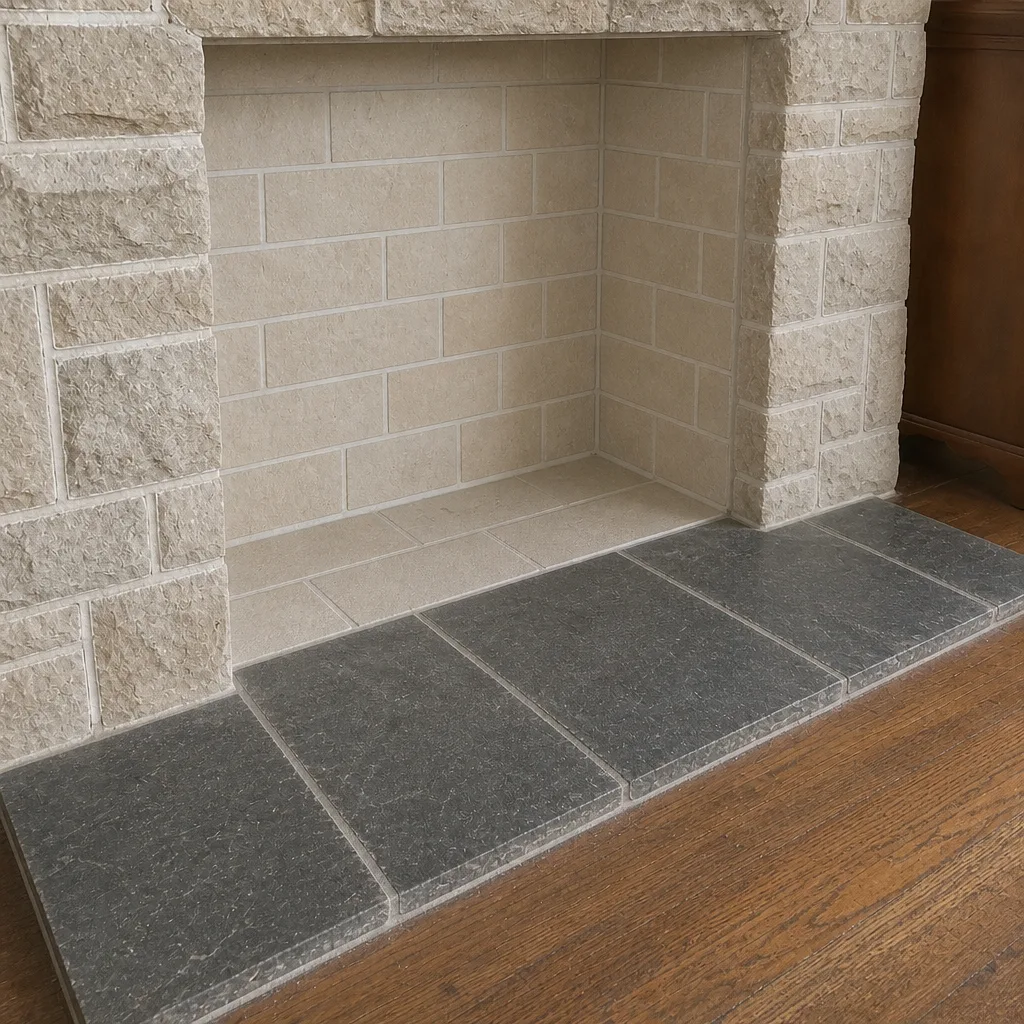 After
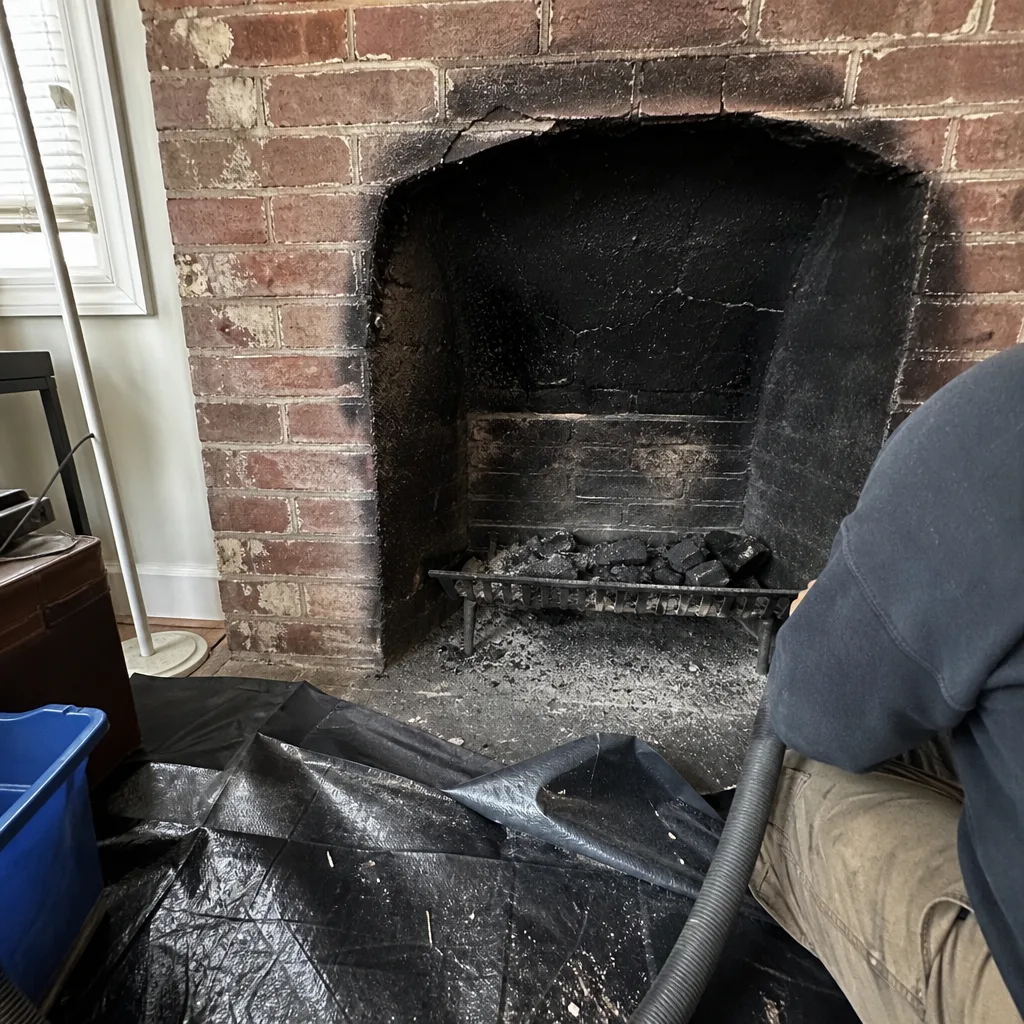 Before
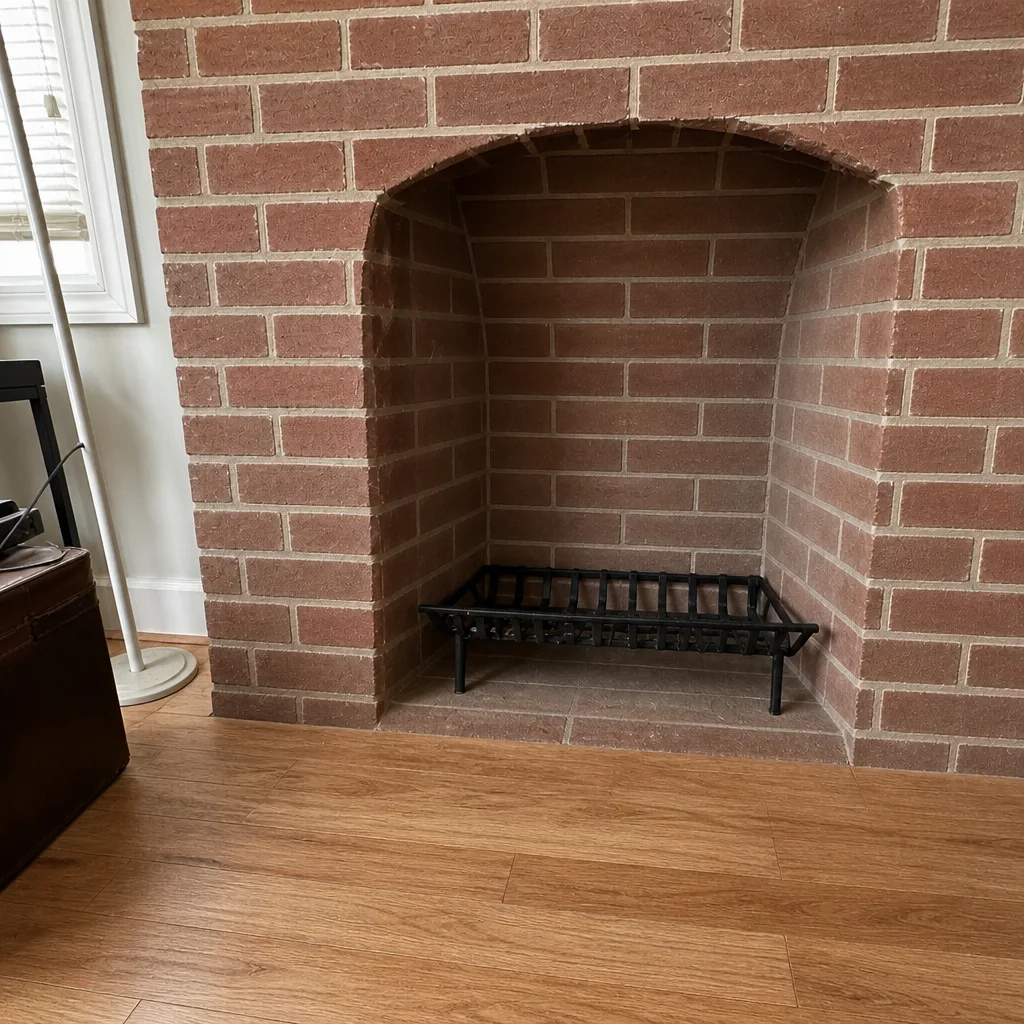 After
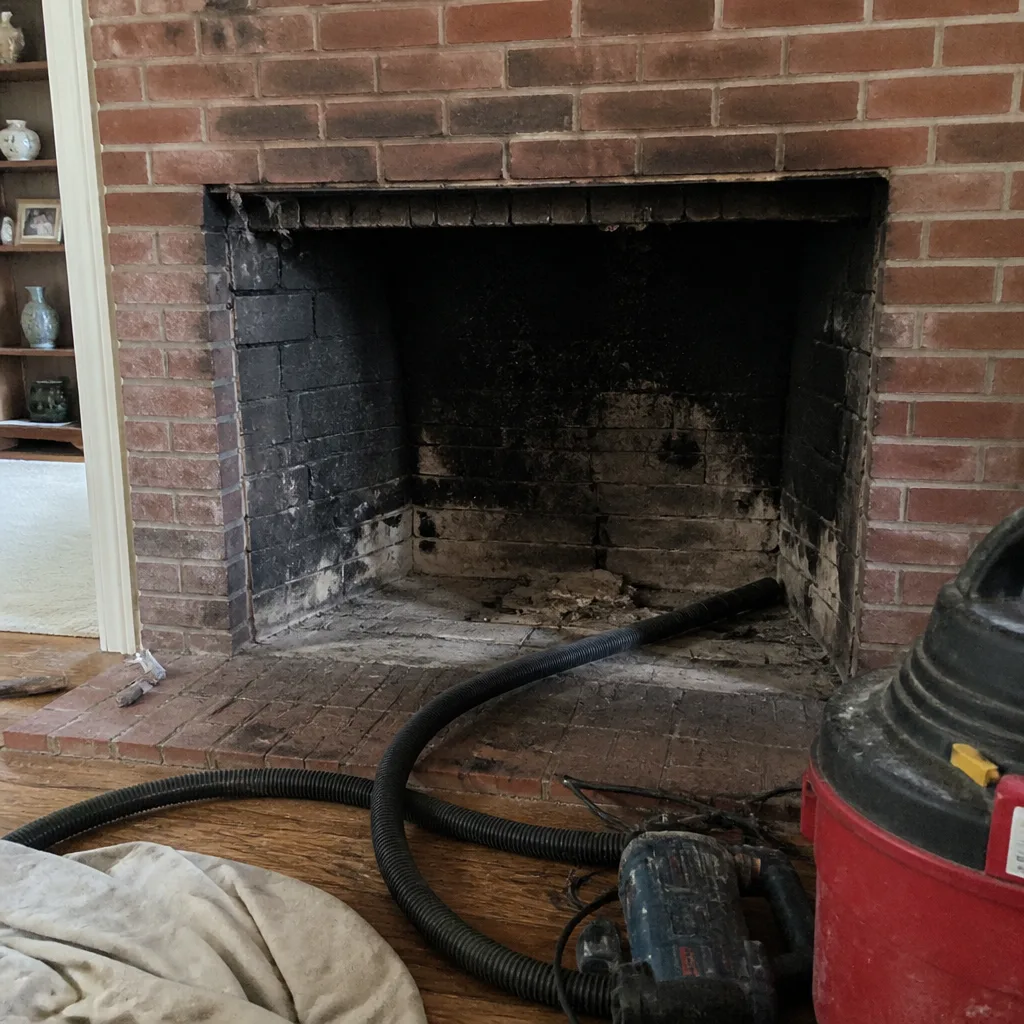 Before
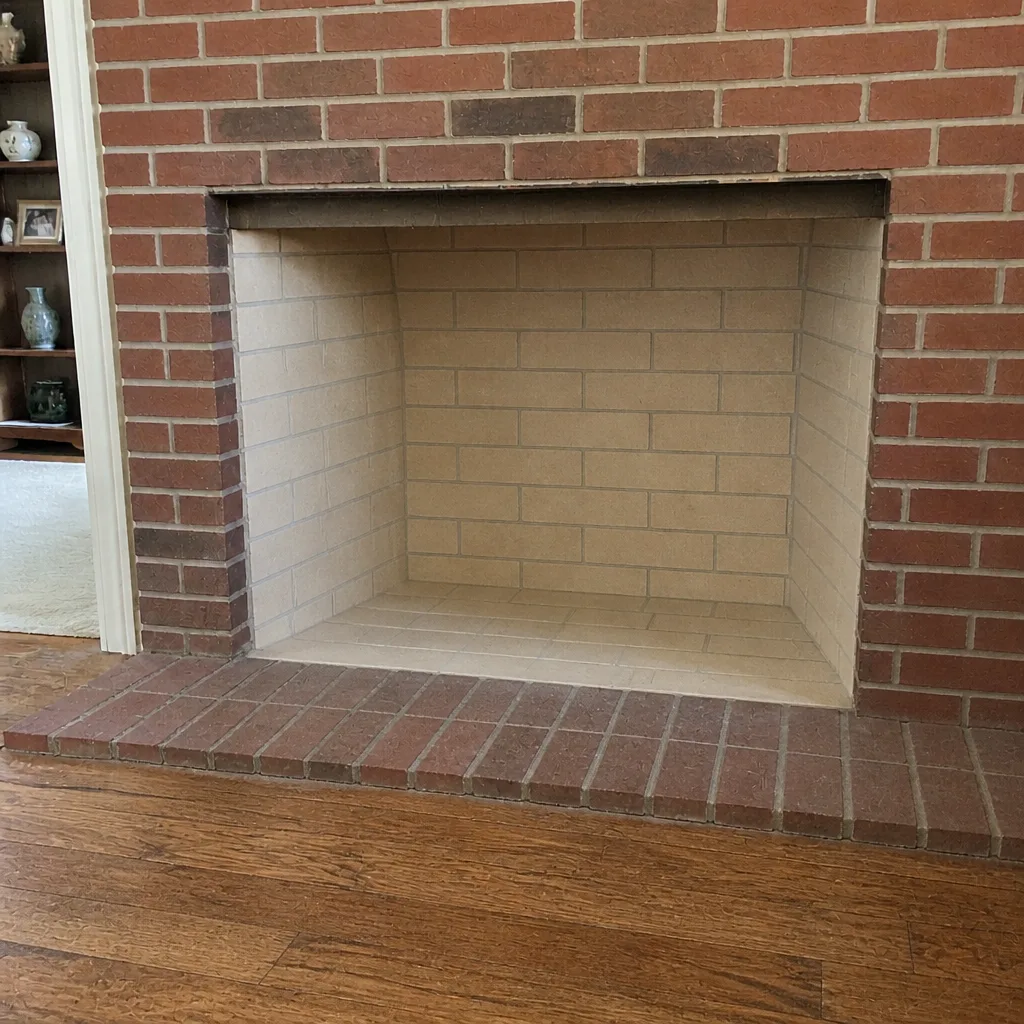 After
When to Call a Professional
Some situations call for a professional without waiting for the annual cycle. If you smell a strong, acrid odor when the fireplace isn’t in use, that’s a sign worth checking. If smoke rolls into the room instead of going up the flue, drafting trouble is the likely cause and it needs diagnosis, not more wood. A visible change in the cap, a storm that dumped debris on the chimney, an animal that got in, or any suspicion that the fire has burned hot enough to damage the flue all justify a call sooner rather than later. The same goes for a home you’ve just bought, where the chimney’s history is unknown.
Clover Chimney Sweep offers free estimates in Louisville, and one visit covers the full chimney: sweep, inspect, and repair if needed, without handing you off to a second contractor. Call (855) 473-9926 for a free estimate. We answer 24/7. Fast dispatch from 7am to 7pm, Sunday through Friday.
Frequently Asked Questions
Once a year is the baseline for most wood-burning fireplaces. Louisville’s humid summers and real heating season make annual cleaning and inspection the right rhythm, and if you burn heavily or run a lot of low, smoldering fires, more frequent cleaning may be warranted. Call (855) 473-9926 for an exact recommendation – estimates are free.
Pricing is set per job by a written estimate, because the cost depends on how many flues you have, how much creosote has built up, and how accessible the chimney is. We’d rather give you an honest number based on your actual flue than a guess over the phone. Call (855) 473-9926 for an exact quote – estimates are free.
You need a new liner if the existing one is cracked, broken, or otherwise unable to safely contain what goes up the flue – and you should be able to see the evidence before you agree to it. In Louisville’s humid climate, older clay liners do degrade, but that’s a finding to verify, not to assume. We only recommend a reline when the interior of the flue actually supports it, and we can also talk through whether resurfacing is the better fit for your flue. Call (855) 473-9926 to get it evaluated.
Skipping cleaning lets creosote build up and lets moisture and debris collect in the flue through the humid season, and the combination raises the risk of a chimney fire and can push a liner past the point where a simple fix is possible. It’s not a crisis on day one, but it compounds quietly. Call (855) 473-9926 to get back on schedule before the heating season – estimates are free.
A Level 1 is a basic visual check of the accessible parts of the chimney, usually done with a routine cleaning. A Level 2 goes further, often including a camera-assisted look at the interior of the flue, and it’s what you need when a home is bought or sold, an appliance is installed or changed, or there’s been a fire or storm event. If you’re not sure which you need, ask and expect a plain explanation. Call (855) 473-9926 to schedule either one.
We don’t recommend it, and not because it’s impossible – because a cleaning without a proper inspection is only half the job. The real value is in knowing the condition of the flue and liner, and that assessment takes training and the right tools. A homeowner who clears the soot but misses a cracked liner hasn’t made the chimney safer. Call (855) 473-9926 and let a specialist handle both the cleaning and the inspection in one visit.
The Bottom Line
Chimney cleaning in Louisville isn’t a generic annual chore. It’s a targeted job shaped by a humid climate that attacks mortar and condenses moisture, a real heating season that builds creosote, and a housing stock that ranges from older Craftsman masonry to modern gas retrofits. The core rules hold: clean and inspect once a year before the season, understand which creosote stage you’re looking at, know the difference between a sweep visit and a real inspection, and demand evidence before any repair work gets approved. When you’re ready, one visit covers the full chimney – sweep, inspect, repair – with professional-grade materials like HeatShield and DuraFlex named up front. For homeowners in Louisville, that’s the whole point: no upsell, no guesswork, just a clear flue and a straight answer.
Call (855) 473-9926 for a free estimate. We answer 24/7. Fast dispatch, 7am-7pm, Sunday through Friday.
Written by the team at Clover Chimney Sweep.