
Last updated November 15, 2026
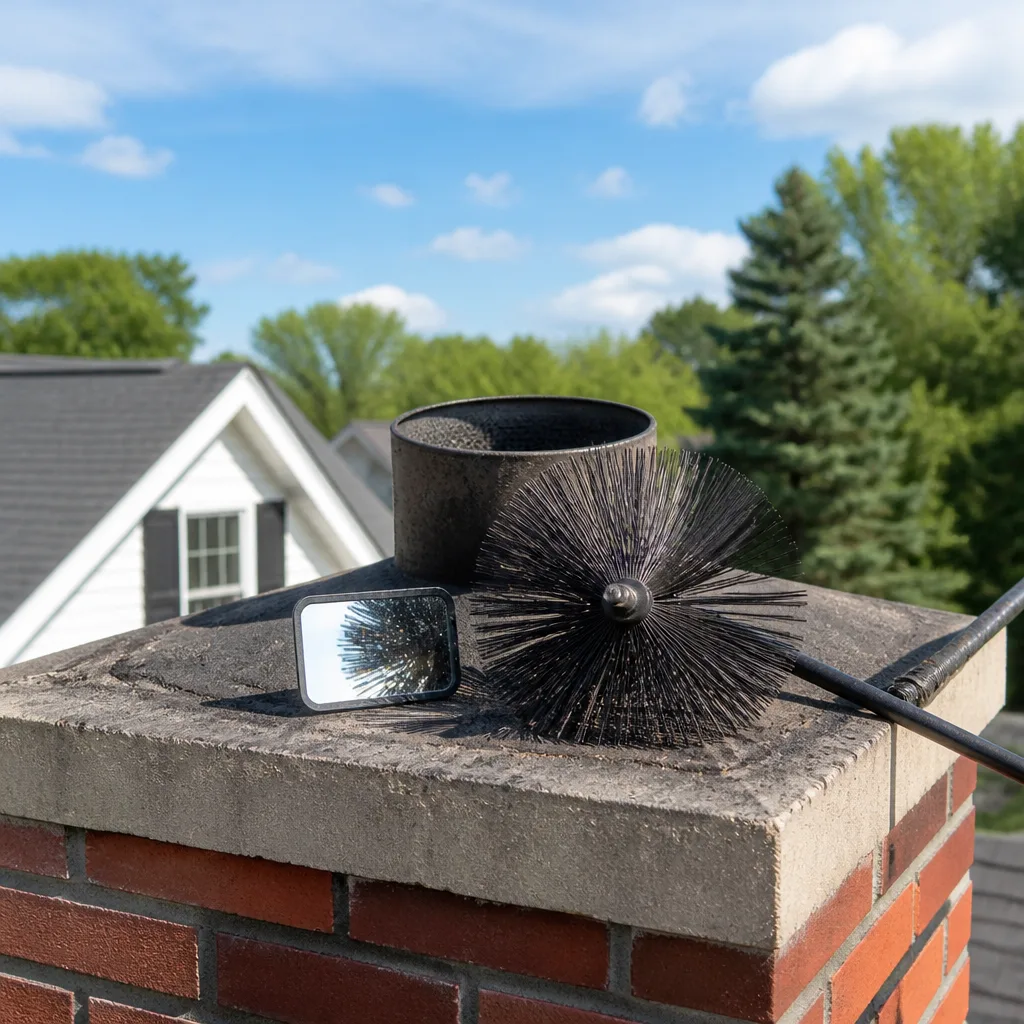 Sweep & inspection
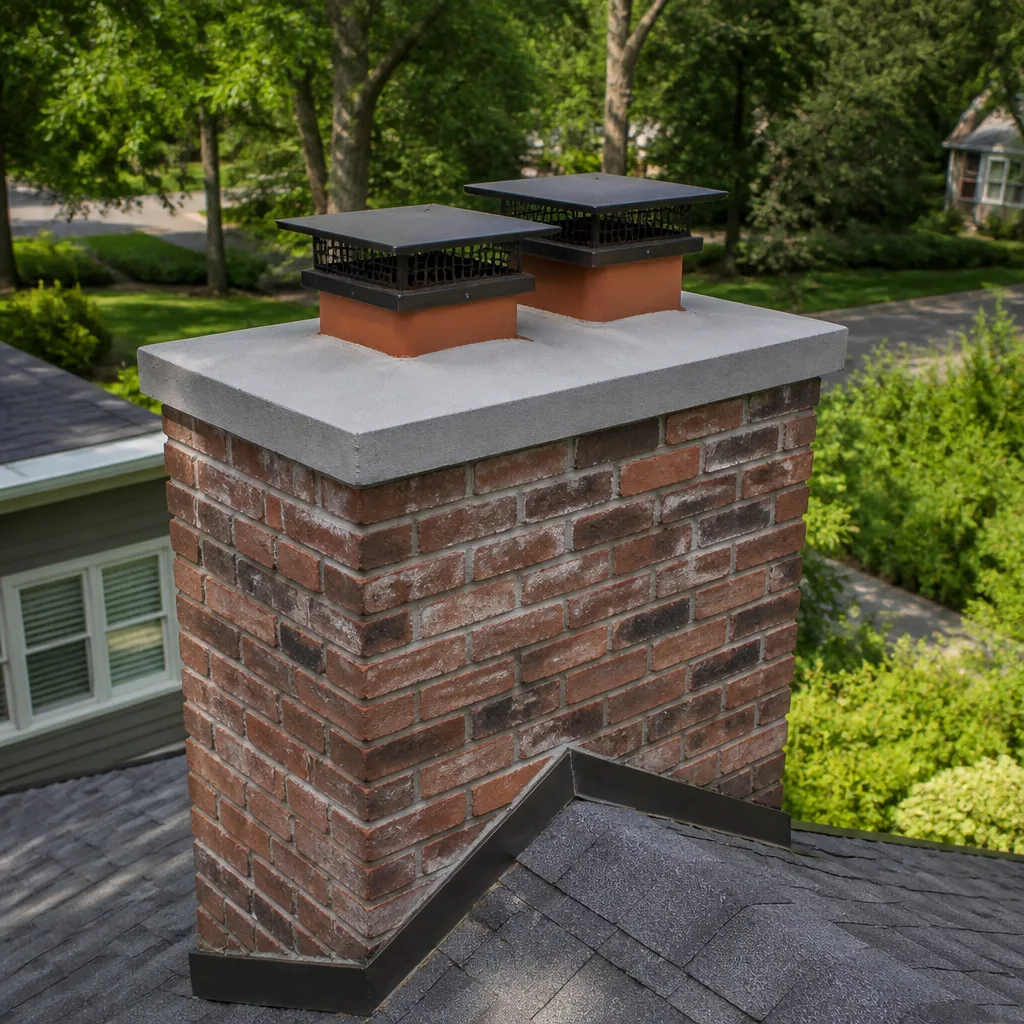 Caps & crowns
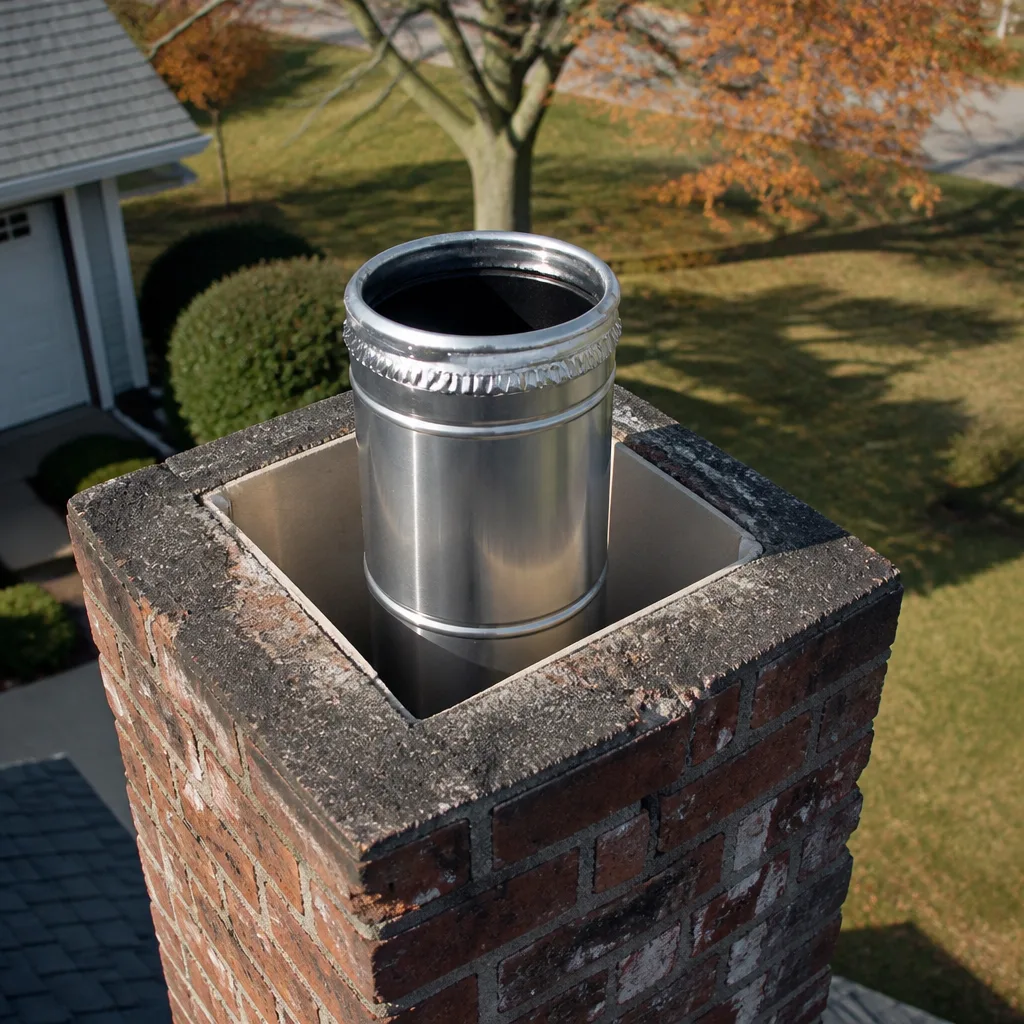 Flue relining
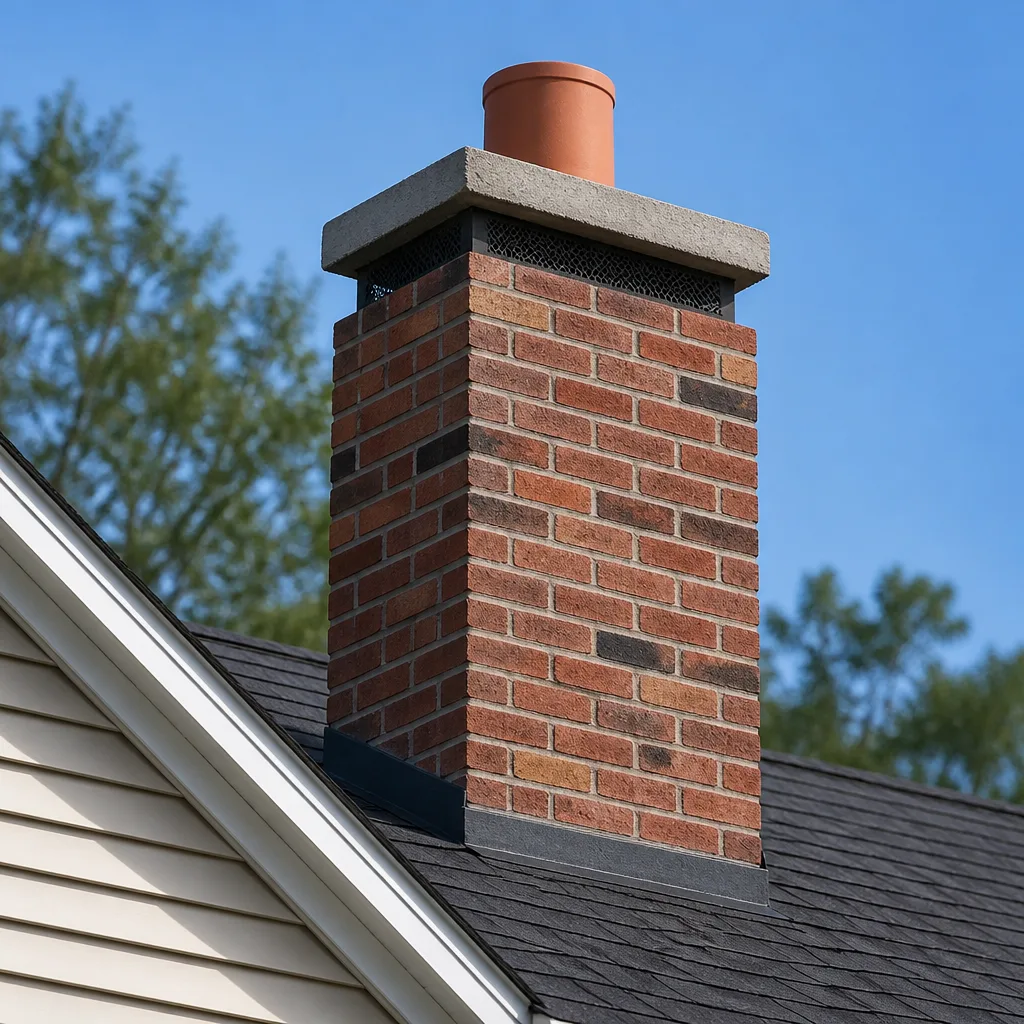 Masonry repair
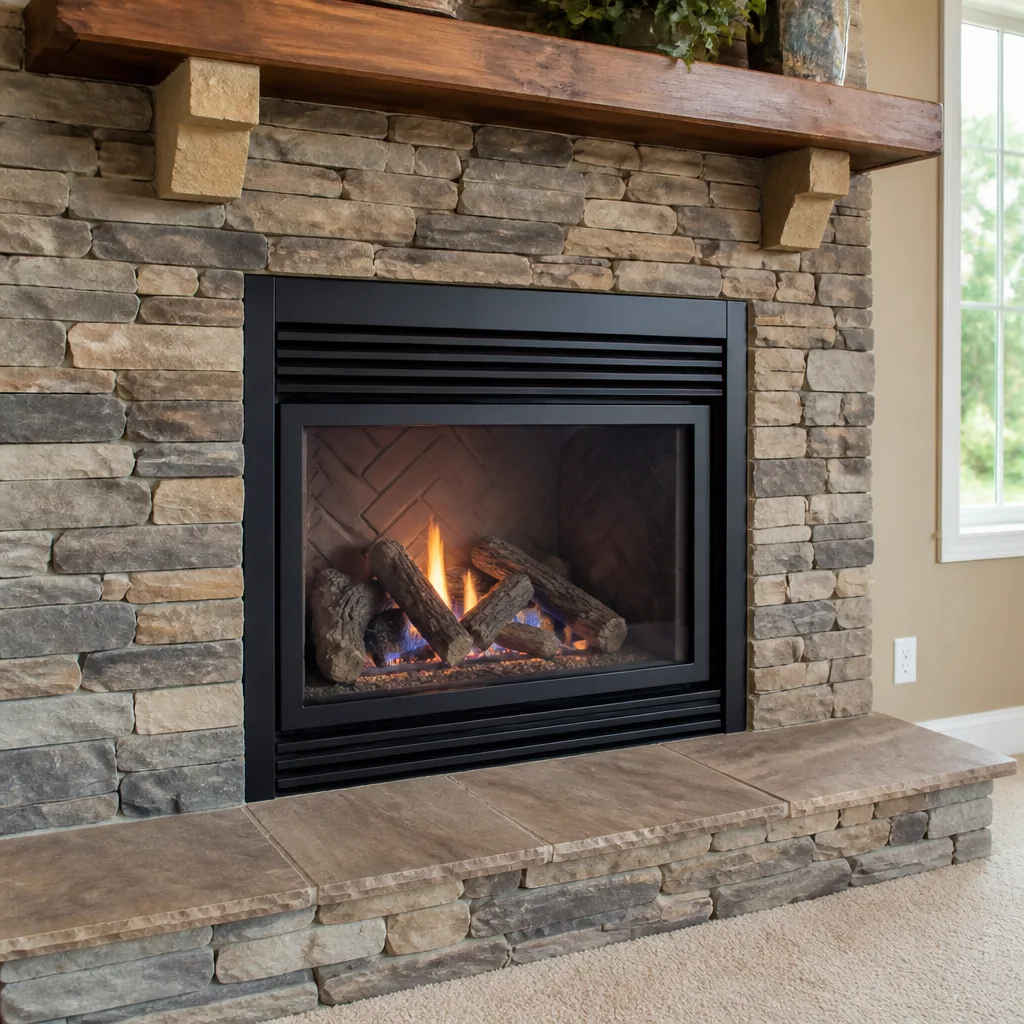 Gas fireplace service
Level 1 sweep and inspection to the NFPA 211 annual standard - flue, crown, cap, and flashing checked and photographed
Chimney sweep logs do not sweep chimneys. They loosen some creosote - which then falls where a brush and vacuum still have to collect it.
Seasonal Chimney Cleaning Care for Louisville: Year-Round Homeowner’s Guide
Most chimney advice says the same thing every year: book your sweep before winter. In Louisville, that advice is backwards. The freeze-thaw cycle from January through March does more structural damage to a masonry chimney than a full heating season of fires ever will, and by April the evidence of it is sitting in your firebox and on your crown. Fall sweeping catches the creosote. Spring is when you catch everything else. This guide assigns specific chimney tasks to each season based on what Louisville’s climate is actually doing to your flue at that time of year, so you’re not working from a national template that was written for a place with a different winter.
Styles & brands we work with
- Sweep & inspection
- Caps & crowns
- Flue relining
- Masonry repair
- Gas fireplace service
Quick Answer
The best time for chimney cleaning in Louisville is spring, right after your last fire of the season, because that’s when freeze-thaw damage from January through March is visible and repairable before summer humidity gets into it. A second, lighter inspection makes the most sense in fall once overnight temperatures drop into the 40s and you start burning regularly. Winter is for mid-season checks if you burn heavily, not for the annual sweeping itself.
Table of Contents
- Why Spring Is Louisville’s Most Important Chimney Season
- Reading Freeze-Thaw Damage: Mortar Joint Patterns That Matter
- Summer Humidity, Open Flues, and Why the Cap Matters
- Fall Timing: The Exact Window for Creosote Inspection in Louisville
- Winter Mid-Season Checks for Heavy-Burn Households
- How to Build a Louisville Chimney Calendar Around Real Weather
- Repair Materials: Why the Brand on the Box Matters
- Common Mistakes to Avoid
- When to Call a Professional
- Frequently Asked Questions
- The Bottom Line
Why Spring Is Louisville’s Most Important Chimney Season
Spring is when a Louisville chimney tells you the truth about itself. Through January, February, and March, masonry goes through repeated cycles of absorbing moisture and then freezing. Water seeps into tiny cracks and porous mortar, expands when it freezes, and pushes the material apart a little more each time. By the time spring arrives, the cumulative effect shows up in ways that simply aren’t visible in October, when the masonry has had all summer to dry and settle.
This is why we recommend the annual chimney sweep in spring rather than fall. A spring appointment does three things a fall appointment can’t:
- It catches water damage while it’s still small. A hairline crack in April is a repointing job. The same crack after a summer of monsoon-style thunderstorms and another winter of freezing is a rebuild.
- It clears winter creosote before humid months arrive. Creosote is acidic. Left sitting in a flue through a damp Kentucky summer, it works on the masonry and the liner while nothing is burning.
- It gives you a repair window. If the inspection turns up work that needs doing, you have months to schedule it rather than scrambling in November when every sweep in the city is booked.
There’s a practical reason too. Louisville summers are long, hot, and humid, and almost nobody wants to think about their fireplace in July. Get the work assessed in April or May, and the whole thing is off your list before the first 90-degree day.
Reading Freeze-Thaw Damage: Mortar Joint Patterns That Matter
Not all mortar deterioration is the same, and the pattern tells you what’s happening. When you look at your chimney from the ground or from a ladder, here’s how to read what you’re seeing.
Surface weathering
Surface weathering looks like sand coming off the mortar joints, slight discoloration, and a generally chalky or crumbly texture on the face of the joint. The joint itself is still full and structurally sound. This is normal aging, and it’s slow. It’s worth noting and monitoring, but it doesn’t usually demand immediate action.
Water intrusion patterns
Water intrusion looks different. Watch for:
- Recessed or hollowed joints where the mortar has washed or crumbled back from the brick face, leaving a visible groove. That’s water getting in and freezing.
- Efflorescence – the white, powdery salt deposits that appear on brick and mortar. It’s the visible signature of moisture moving through the masonry and evaporating on the surface.
- Horizontal cracking along a course of brick, especially near the crown or the roofline. That’s often freeze-thaw lifting a section.
- Spalling brick faces, where the front of a brick has popped off and left a rough, crumbly surface. Once a brick face spalls, that brick is absorbing water directly.
- Rust stains on the exterior, which usually mean a metal component inside – a damper, a cap, flashing – is corroding from prolonged moisture contact.
Here’s the part most homeowners miss: water intrusion rarely announces itself on the outside alone. It also leaves signs inside the firebox and smoke chamber. A rusted damper, crumbling mortar visible above the damper, or staining on the smoke shelf are all indicators that water has been getting in and staying in. During a spring inspection, we look at both sides of the same problem.
In our experience across Louisville’s older neighborhoods, the chimneys that show the worst freeze-thaw damage are usually the ones with the worst crowns and the weakest flashing. Fix the water source and the masonry stops deteriorating. Ignore it and repointing becomes rebuilding.
Summer Humidity, Open Flues, and Why the Cap Matters
Louisville’s summers are humid enough that an uncapped chimney behaves like a chimney-shaped rain gauge with a draft. Warm, moist air rises into the flue, cools against the masonry, and condenses. Add summer thunderstorms and you have a flue that stays damp for weeks at a time. That moisture does two things: it feeds deterioration in the mortar and liner, and it makes the flue smell like a campfire that got rained on. That’s the source of the “my fireplace smells in summer” complaint we hear every July.
An uncapped flue is also an open door. Birds, squirrels, raccoons, and wasps all treat a chimney as a ready-made cavity. A proper cap with a mesh screen closes that door while still letting smoke and gases out.
What a summer cap inspection should cover
If you haven’t looked at your cap since last fall, a summer check is worth doing. A proper inspection covers:
- The cap itself – is it still seated, undamaged, and correctly sized for the flue?
- The mesh screen – clogged with soot, rusted through, or missing entirely?
- The crown – the concrete top of the chimney. Cracks, spalling, or a crown that slopes toward the flue instead of away from it all let water in.
- Flashing – the metal seal where the chimney meets the roof. This is the single most common water entry point we see, and it’s often overlooked because it’s not technically “chimney.”
- The damper – closed and sealing properly, so humid air isn’t moving through the flue year-round.
We stock and install caps and dampers from Famco and Copperfield, which means a worn cap can usually be replaced with a properly sized, professional-grade unit rather than whatever a generalist happens to have in the truck. If you’re not sure what’s up there, a summer chimney repair assessment is the right call – small fixes in June cost far less than the water damage they prevent by October.
Fall Timing: The Exact Window for Creosote Inspection in Louisville
“Before winter” is not a schedule, it’s a shrug. The useful question is when, specifically, creosote inspection makes the most sense in Louisville. The answer is tied to overnight temperatures, not to a calendar month.
Creosote forms when flue gases cool before they exit the chimney. The faster they cool, the more creosote condenses on the flue walls. That cooling is most aggressive during the shoulder season, when you’re burning on cool evenings but the fire isn’t hot enough or long enough to keep the flue warm between burns. Louisville’s fall shoulder season – roughly late October through mid-November, when you’re burning sporadically – is exactly when creosote accumulates fastest.
The timing window
Here’s the rule of thumb we give homeowners: schedule your inspection when overnight temperatures are consistently dropping into the 40s and you’re starting to burn regularly, but before you’ve settled into a heavy daily burn. In most Louisville years, that lands somewhere between late October and mid-November. By then:
- The fire has been lit enough times that any creosote from last season’s tail end plus this season’s early burns is measurable.
- The heating season hasn’t fully ramped up, so if cleaning or repair is needed, there’s time to do it without interrupting your routine.
- You still have weeks of mild weather for any exterior work.
What you don’t want is to wait until December, when the fire is running daily and the flue is in constant use. At that point, a cleaning means a cold house for a day, and a repair discovery means a real disruption. The fall window exists precisely so that neither happens.
How much creosote matters
Creosote accumulates in three forms, in order of severity. First-degree is soot and light flaking, easily brushed away. Second-degree is a flaky, crusty deposit that needs scraping. Third-degree is glazed, hardened creosote – the hard, tar-like coating that’s the most flammable form and the hardest to remove. Glazed creosote doesn’t brush off with a standard sweep; it may need chemical treatment or, in severe cases, relining.
If you’ve never had your flue inspected and you burn regularly, don’t assume it’s fine because the fire draws well. Draw has very little to do with creosote buildup. A blocked flue can still pull smoke up – until the day it can’t.
Winter Mid-Season Checks for Heavy-Burn Households
If you burn near-daily through the coldest months, a mid-season check makes sense between late December and late January. This isn’t a full sweep – it’s a look at whether anything has changed since your fall inspection. For a heavy-use fireplace, a few signs suggest the flue is loading up faster than expected:
- Smoke rolling back into the room instead of drafting up cleanly, especially when you first light the fire.
- A stronger, more acrid smell than usual when the fireplace is cold – a sign of creosote concentrating.
- Visible glazing on the flue walls, if you can see them (a flashlight up the damper tells you a lot).
- Poor fire performance – a fire that once burned hot and clean now struggling to catch or producing more smoke.
- A duller, darker flue interior after what should have been a clean burn.
Here’s the important part: if any of these signs appear, stop using the fireplace until it’s been inspected. Glazed creosote is the most dangerous form of buildup, and the danger doesn’t announce itself. A fire that has been fine all season can escalate quickly if the flue has been quietly coating itself.
We get that this is inconvenient in January. But a pause of a few days while you get the flue assessed is a much better outcome than pushing through the heating season on a flue that’s telling you something is wrong. Mid-season is also a good time to check the cap for ice or debris damage and to confirm the damper is still operating cleanly.
How to Build a Louisville Chimney Calendar Around Real Weather
The mistake most homeowners make is following a generic national seasonal template – sweep in fall, forget the rest. Louisville’s climate has a specific rhythm, and your calendar should match it. Here’s how to build one that works.
Step-by-step seasonal calendar
- Late March to mid-April – Spring sweep and inspection. Book this after your last fire of the season. You’re looking for freeze-thaw damage from the winter, water intrusion evidence, and any creosote accumulation to clear before the humid months. This is the most important appointment of the year.
- May – Address any repairs found in spring. Crown work, repointing, flashing repair, cap replacement. Get it done in the dry season so it’s settled before summer storms hit.
- June through August – Summer cap and damper check. A light inspection of the cap, crown, flashing, and damper. No need for a full sweep unless something was flagged in spring.
- Late October to mid-November – Fall creosote inspection. Schedule this when overnight temps hit the 40s and you’re burning regularly but not yet intensely. This is the precise fall window – not “sometime before winter.”
- Late December to January – Mid-season check for heavy-use fireplaces. Only if you burn near-daily and notice any of the warning signs above. Otherwise skip.
- Ongoing – Watch the exterior after any ice storm or hard freeze. Louisville’s winter weather can shift fast, and a hard freeze after a wet stretch is when new freeze-thaw damage appears. A quick look at the chimney from the ground costs nothing.
The general sweep-or-skip rhythm underneath that calendar is simple: an annual spring sweep for every wood-burning fireplace, plus a mid-season check only for heavy-use households. Everything else is inspection, repair, or monitoring – and the maintenance intervals scale with how much you actually burn.
Building this calendar once and then setting calendar reminders is the easiest way to stay ahead of it. April: book the sweep. October: book the inspection. Once a year, do a ground-level look at the chimney after any hard freeze. That’s the whole system.
Repair Materials: Why the Brand on the Box Matters
Chimney repair, more than most home services, is decided by what goes into the flue. When a flue is deteriorating, there are usually two or three ways to fix it, and the materials determine how long the fix holds.
For a deteriorating flue, we work with two approaches. HeatShield is a ceramic resurfacing process that repairs damaged liner joints and restores the inside of an otherwise sound flue – it extends the life of the existing liner without replacing it, and it’s a job many general sweep companies can’t offer at all. For a flue that needs full replacement or is irregular in shape, we install DuraFlex flexible stainless liner systems, which require brand-specific training and tooling to size and seat correctly.
The honest part of this conversation is that a lot of flues don’t need either. Many are told they need a full reline when what they actually need is a cleaning and a repaired crown. Our approach is to give you the camera evidence and the photo report so you can see the condition of the flue yourself, and to tell you plainly when work can safely wait. If you’re told you need thousands of dollars of liner work, you should have the pictures that justify it. If you don’t, ask for them.
For above-flue components – caps, dampers, and venting parts – we carry Famco and Copperfield, which means a proper replacement part is available without the sourcing delay that holds up a repair for a week. It’s the difference between fixing something in one visit and leaving a temporary cover on it while a part gets ordered.
Common Mistakes to Avoid
- Waiting until fall to book the annual sweep. Fall is the busiest season in Louisville and the one where structural damage from the previous winter has had months to worsen. Spring is the better time for the annual appointment.
- Skipping the summer cap check. An uncapped flue through a humid Louisville summer is a moisture and animal entry problem. The cap and crown are the cheapest fixes with the biggest return.
- Assuming good draw means a clean flue. Draft has little to do with creosote accumulation. A flue can pull well right up until the blockage becomes dangerous, so inspection – not fire performance – is the real test.
- Burning through warning signs in winter. Smoke rolling back, an acrid smell when cold, or a fire that’s suddenly hard to keep going all mean stop and inspect. Pushing through mid-season is the riskiest thing a homeowner can do with a fireplace.
- Accepting a large repair quote without photos. If a contractor tells you the flue is compromised and needs relining, ask for the camera inspection report. A professional should offer it without being asked.
- Hiring a generalist for liner work. DuraFlex and HeatShield installations require brand-specific training and tooling. A handyman who “does chimneys on the side” is the wrong call for a reline.
- Ignoring the chimney after an ice storm. A freeze after a wet stretch is prime freeze-thaw weather. A quick ground-level look costs nothing and catches new damage early.
When to Call a Professional
Some chimney tasks are safe to monitor on your own – a visual check of the cap, a flashlit look up the damper, a ground-level inspection after a hard freeze. But a real list of situations calls for a trained technician. Call a professional if you see any visible mortar deterioration that’s progressed past a uniform surface, if the fire hesitates to draw up or smoke rolls into the room, if there’s water staining in the firebox or on the chimney exterior, if the cap is damaged or missing, or if it’s simply been a year since the last inspection. Liner work, crown repair, and anything involving the flue interior are not homeowner jobs – high-tension components and flue interiors carry real risk and require proper tools and training.
Clover Chimney Sweep offers free estimates in Louisville on any repair or inspection finding. Call (855) 473-9926. We answer 24/7. Fast dispatch from 7am to 7pm, Sunday through Friday. One call covers the whole chimney: sweep, inspect, repair.
Frequently Asked Questions
A standard chimney sweep in Louisville is typically priced per job by written estimate, and the estimate itself is free. The final price depends on flue condition, accessibility, and whether cleaning or repair is involved, so the written estimate you get before booking is the price that matters. Call (855) 473-9926 for an exact quote – estimates are free.
Not always. A lot of flues are told they need a full reline when all they need is a cleaning, a repaired crown, or a joint resurfacing with HeatShield. The right way to answer the question is with camera evidence and a photo report you can see for yourself, and we say plainly when work can safely wait. Ask for the camera report before accepting any large repair quote.
Once a year for most wood-burning fireplaces, and more often if you burn heavily or burn unseasoned wood. We recommend the annual appointment in spring rather than fall so that freeze-thaw damage from the previous winter is caught while it’s still small. A mid-season check in winter makes sense for near-daily burners.
Skipping the annual sweep leaves creosote building up in the flue, and creosote is the fuel a chimney fire needs. It also means water intrusion or freeze-thaw damage from the previous winter goes unfound until it worsens. A flue that draws well can still be accumulating dangerous buildup quietly. Call (855) 473-9926 to get on the schedule – estimates are free.
That summer smell is usually humid air moving through an uncapped or poorly capped flue and pulling creosote odors back into the house. The fix is usually a properly fitted cap plus a closed damper. A summer cap inspection covers exactly this, and it’s worth booking before the humid stretch gets long.
No. DuraFlex flexible liner installation and HeatShield ceramic resurfacing require brand-specific training and tooling, and a generalist isn’t set up for either. We work with both because relining an irregular or aging flue is not a job for a handyman. One call covers the full chimney: sweep, inspect, repair.
The Bottom Line
Louisville’s chimney calendar is not the national one. Spring is the most important season for your flue, because that’s when freeze-thaw damage from January through March is visible and repairable before summer humidity gets into it. Fall is for the creosote inspection, timed to the shoulder-season window when overnight temperatures hit the 40s. Summer is for the cap and damper check, and winter is for mid-season checks only if you burn near-daily. Book the spring sweep, book the fall inspection, do a ground-level look after any hard freeze, and get on with your year. If a repair is needed, your Louisville specialist should be one who works with professional-grade brands and shows you the camera evidence.
Ready to get on the schedule? Call Clover Chimney Sweep at (855) 473-9926 for a free estimate. We answer 24/7. Fast dispatch from 7am to 7pm, Sunday through Friday. One call covers the full chimney: sweep, inspect, repair.
Written by the team at Clover Chimney Sweep.
See the difference
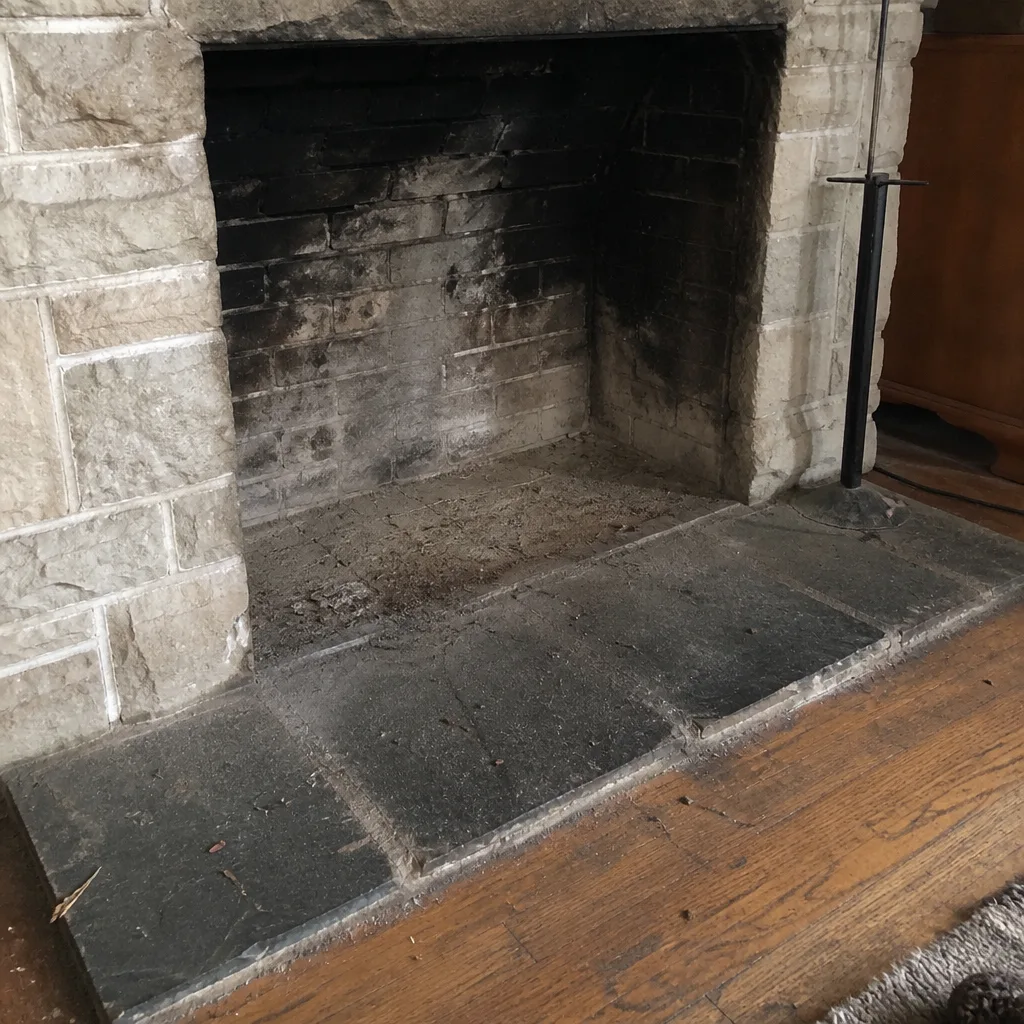 Before
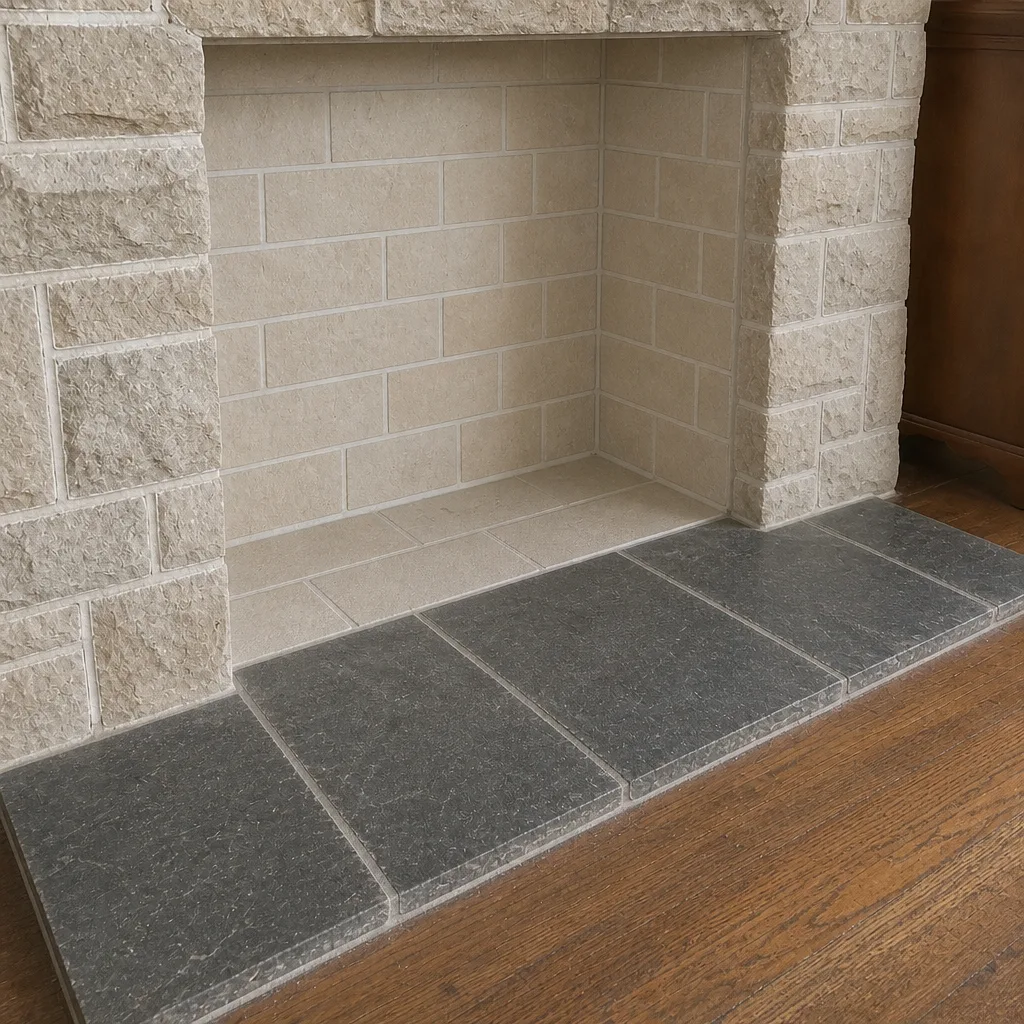 After
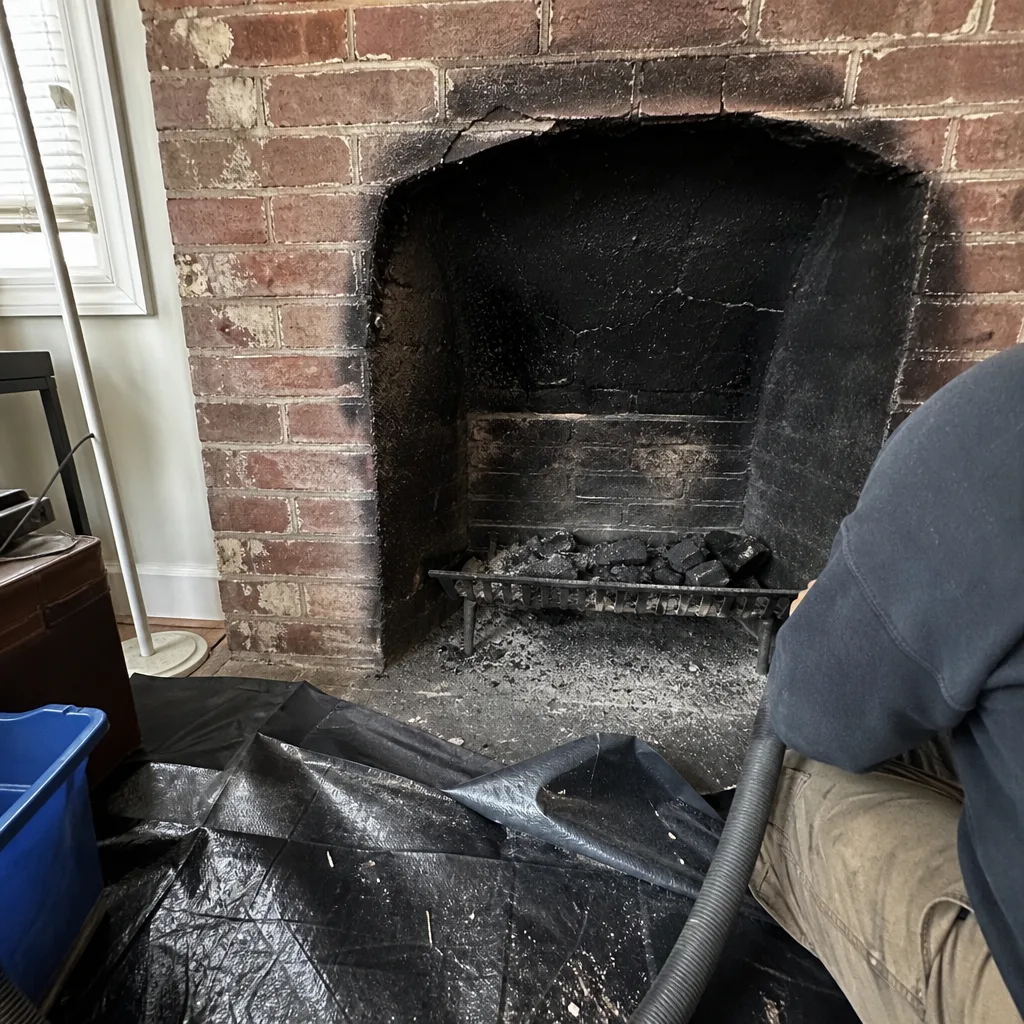 Before
 After
 Before
 After