
Last updated November 15, 2026
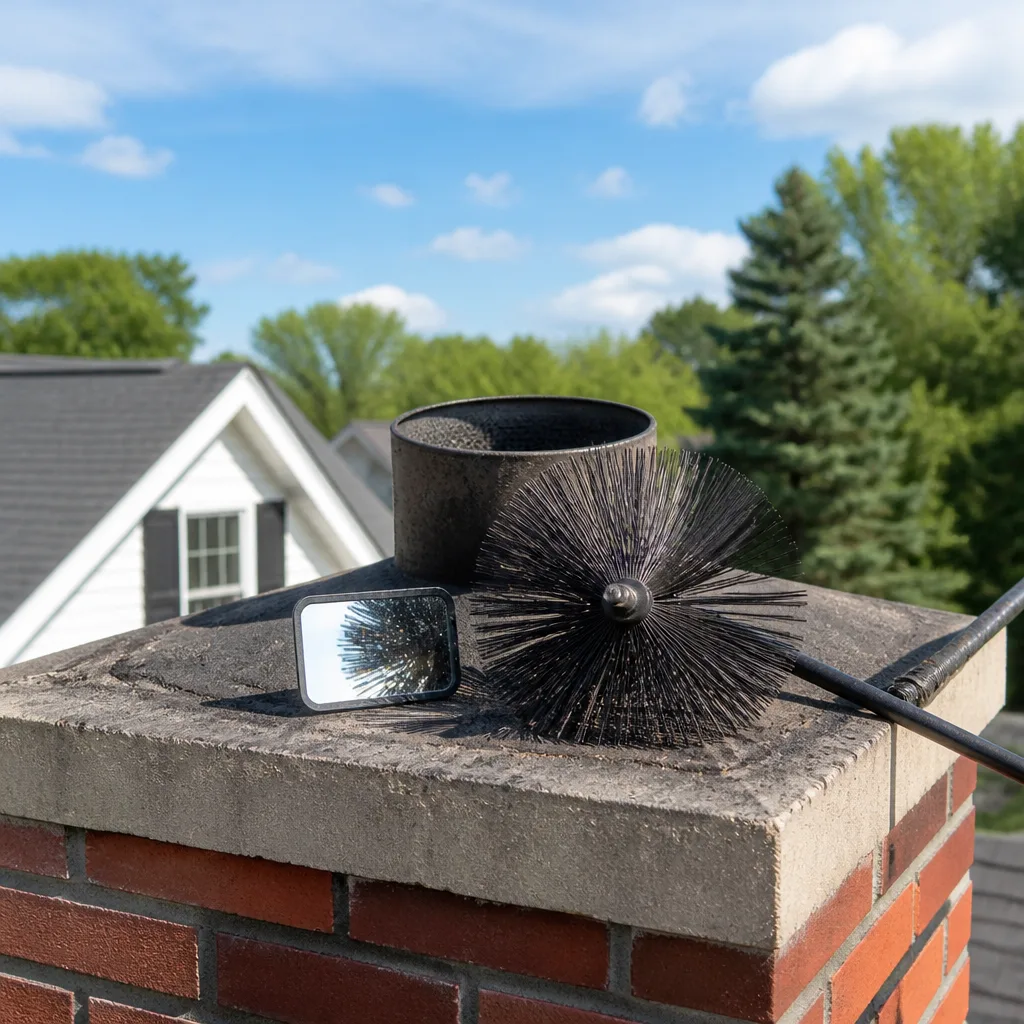 Sweep & inspection
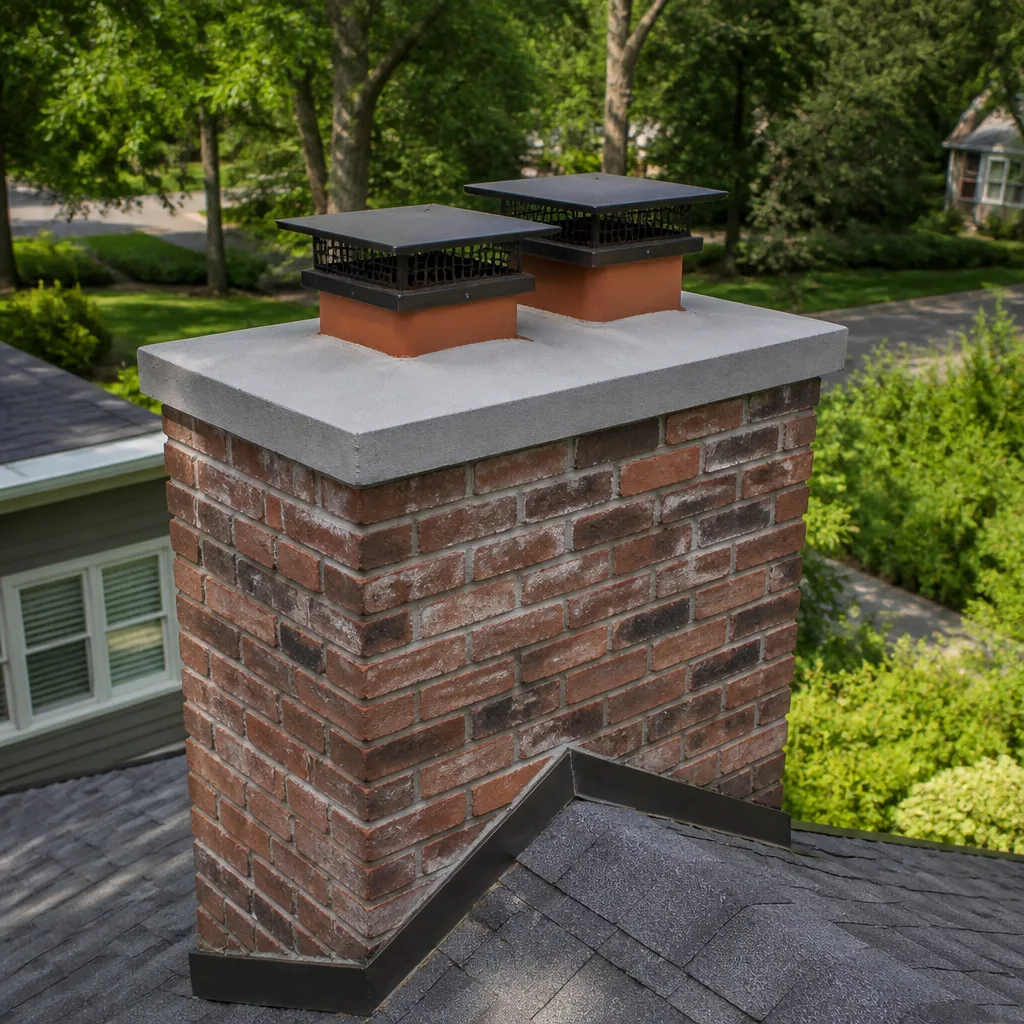 Caps & crowns
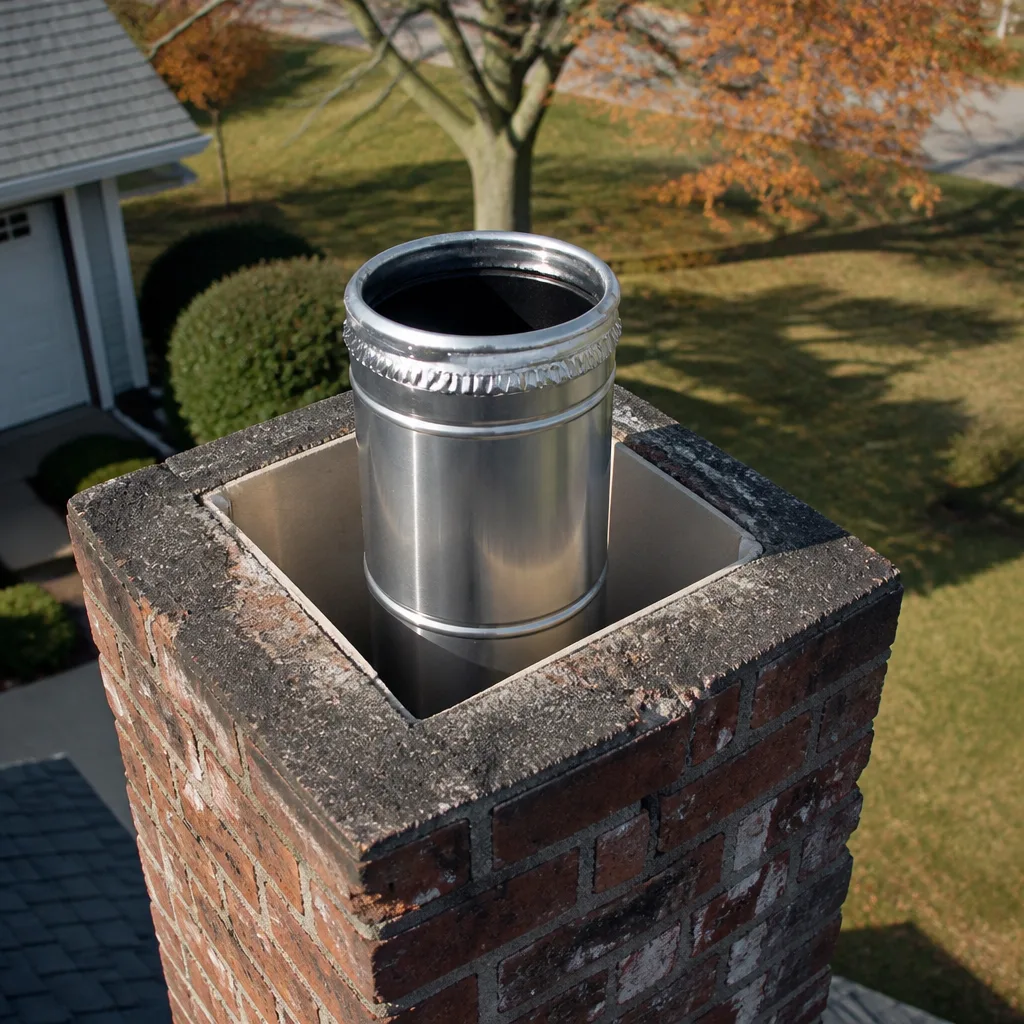 Flue relining
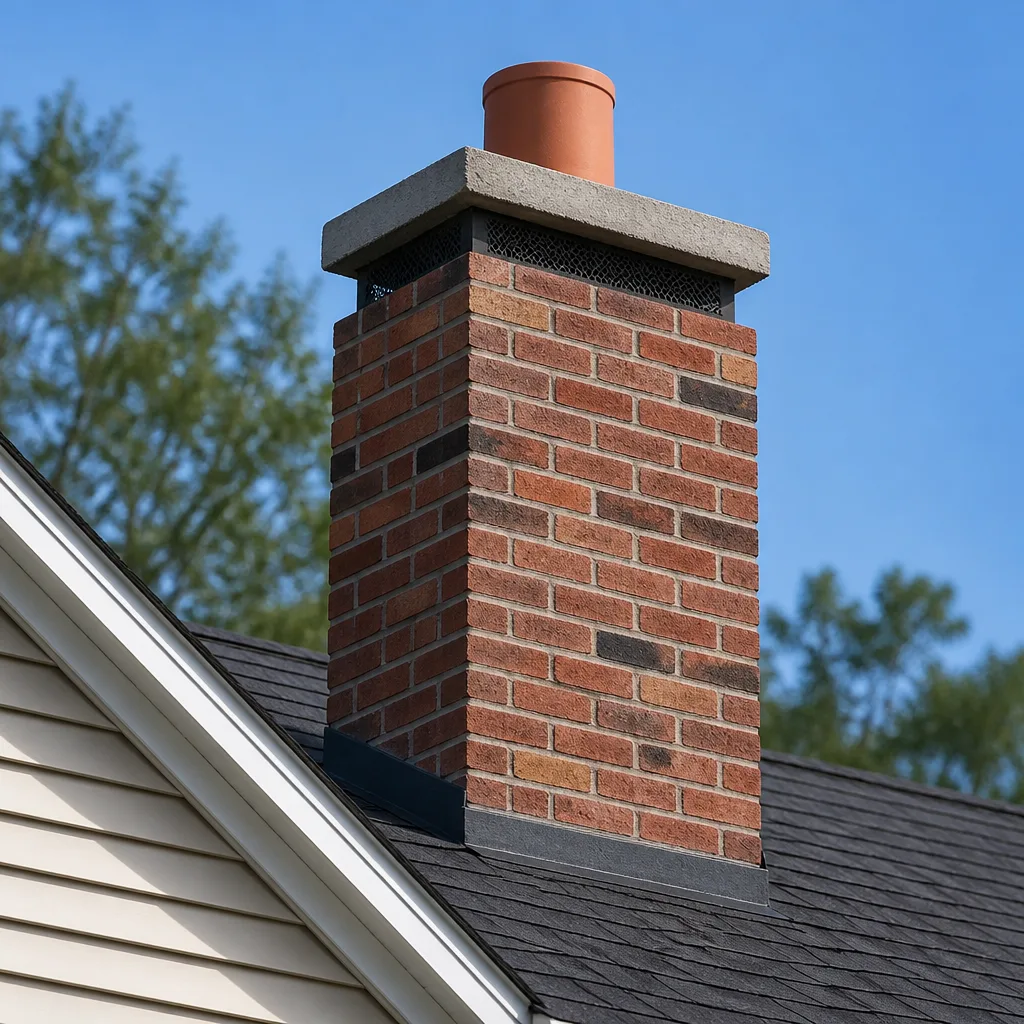 Masonry repair
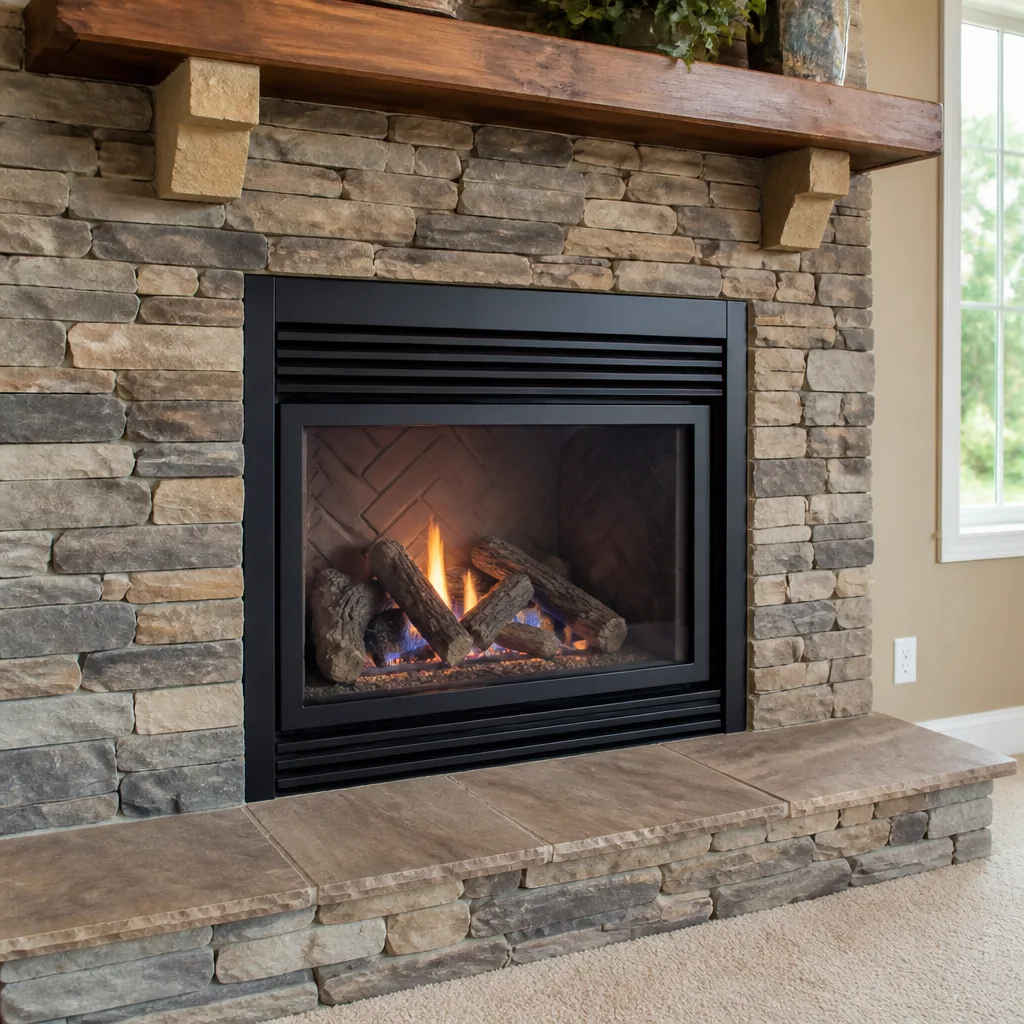 Gas fireplace service
Level 1 sweep and inspection to the NFPA 211 annual standard - flue, crown, cap, and flashing checked and photographed
Chimney sweep logs do not sweep chimneys. They loosen some creosote - which then falls where a brush and vacuum still have to collect it.
Chimney Cleaning Emergency Preparedness Guide for Louisville Homes
During a chimney fire, the worst thing most homeowners do is open the damper to “let the smoke out.” That single instinct feeds oxygen to a fire burning inside the flue and can turn a contained creosote burn into a structural event. The correct move is counterintuitive, and you need to know it before it happens, not while it’s happening. This guide walks through the first 90 seconds of a chimney fire and a carbon monoxide event, how to tell them apart, what Louisville Fire’s post-fire inspection expects of you, the pre-season checks that catch fire conditions before the first fall burn, and what to say to your insurance adjuster. Written from Louisville, for Louisville homes.
Quick Answer
If you suspect a chimney fire, close the damper, get everyone out of the house, and call 911 from outside. Do not open the fireplace doors or the damper, and do not spray water into the firebox. If you suspect carbon monoxide instead, leave immediately and call 911 without waiting for symptoms to worsen. In both cases, do not use the fireplace again until a certified chimney inspector has cleared it in writing.
Styles & brands we work with
- Sweep & inspection
- Caps & crowns
- Flue relining
- Masonry repair
- Gas fireplace service
Table of Contents
- The First 90 Seconds of a Chimney Fire
- Chimney Fire vs. Carbon Monoxide: Distinguishing the Emergency
- What Happens After Louisville Fire Leaves
- Pre-Season Checks That Reduce Emergency Risk
- What to Tell Your Insurance Adjuster
- When Chimney Fires Are Most Likely in Louisville
- Common Mistakes to Avoid
- When to Call a Professional
The First 90 Seconds of a Chimney Fire
Recognizing a chimney fire is the first skill. Most homeowners expect flames shooting from the top of the chimney, but that’s a rarer presentation. What’s more common is a low roar that sounds like a distant freight train, a vibration you can feel through the wall, dense smoke backing into the room, or dark flakes of creosote falling onto the roof or the ground near the cap. If any of those happen while a fire is burning, treat it as a chimney fire until a professional tells you otherwise.
Here is the correct sequence, in order:
- Close the damper. This chokes the fire of the oxygen drafting up the flue. It will not smother a chimney fire completely, but it slows it down. This is the counterintuitive step most people get wrong.
- Close the glass doors on the fireplace or stove. Same reason. Keep the fire contained to the firebox.
- Get everyone out of the house. Every person, every pet. No gathering of belongings.
- Call 911 from outside. Give your address, say “chimney fire,” and describe what you see. Fire crews in Jefferson County know what a chimney fire response looks like.
- Do not re-enter the house. Wait for the fire department. Even if the visible fire seems out, the flue interior can still be burning.
- Do not use water on the fireplace. Water on a hot firebox or a clay flue tile can crack both. Let the fire department handle suppression.
What you absolutely do not do: open the damper to “check,” open the doors to “see,” or try to put the fire out yourself with a garden hose on the roof. That last one is far more dangerous than it sounds. Roof work at that moment is high-risk, and the flue interior is hotter than anything the hose will reach.
The whole sequence takes under two minutes if you’ve rehearsed it once. That’s why we tell every homeowner we visit in Louisville to talk through the steps with everyone in the house, including older kids, before a fire ever happens.
Chimney Fire vs. Carbon Monoxide: Distinguishing the Emergency
Both are chimney emergencies. They are not the same emergency, and the response differs in one critical way: carbon monoxide does not give you time to close a damper. You leave.
Chimney fire signs
- Roaring or rumbling sound from the flue
- Puffy, dark smoke from the chimney top
- Falling creosote flakes on the roof or yard
- A hot-to-the-touch chimney breast, mantel or stovepipe
- Smoke pushing back into the room despite an open damper
Carbon monoxide signs
- Headache, dizziness, nausea, or unusual fatigue that clears when you go outside and returns when you come back in
- Flulike symptoms in more than one person in the house at the same time
- A CO alarm sounding (if you have one installed; every home with a wood-burning appliance should)
- Yellow or orange flame in a gas appliance instead of crisp blue
- Soot streaks or backdraft stains around the firebox or stove door
CO kills without warning because it’s odorless and colorless. The one thing that changes specifically about the response is this: you do not try to shut down the appliance first. You get everyone outside, then call 911. Don’t open windows “to air it out” before leaving; the priority is out, not ventilation.
If you can’t tell the two apart, treat it as both. Close the damper, get out, call 911. The fire department can sort out which emergency you’re facing when they arrive. Call (855) 473-9926. We answer 24/7. Fast dispatch from 7am to 7pm, Sunday through Friday.
What Happens After Louisville Fire Leaves
Once Louisville Fire clears the scene, the home is safe to enter, and that’s it. They are not going to tell you your chimney is cleared for future use. That job belongs to a certified chimney inspector, and here’s why: the interior of the flue is the part that matters, and fire crews don’t run cameras down a chimney.
What a post-fire inspection actually looks like:
- Level II inspection with camera. This is the baseline. A video camera goes the full length of the flue to look for cracked tiles, displaced joints, gaps in a liner, or warped metal. The naked eye can’t see most of what a chimney fire damages.
- Creosote glazing check. A chimney fire leaves behind a distinctive glazed, puffy creosote residue on the flue walls that behaves differently than normal buildup. We check for it because it signals the fire’s intensity and spread.
- Structural check of the firebox and smoke chamber. Masonry can crack from thermal shock even when the visible firebox looks intact. HeatShield ceramic resurfacing is one option when the damage is in the smoke chamber or on the flue walls but the flue is otherwise sound. For more serious deterioration, a DuraFlex flexible liner may be the right fix.
- Written clearance. Any reputable inspector should give you a written report stating whether the chimney is safe to use, and if not, what’s needed to make it safe. We provide a photo report with every inspection so you can see what we saw.
Until you have that written clearance, do not build another fire. A chimney that survived one fire with visible damage can fail at the seams with the next one. That’s not a scare tactic; it’s the reason fire departments across the country reference a post-fire inspection as a standard next step.
If you’re in the Highlands or Clifton and had a fire this season, get the inspection scheduled before you think about the next one. Call the team at Clover Chimney Sweep and we’ll book the camera inspection.
Pre-Season Checks That Reduce Emergency Risk
The best emergency response is the emergency that doesn’t happen. Here’s what to check before your first fire of the season, ideally before the fall weather turns cool enough to want one.
- Creosote buildup. A 1/8-inch layer is the standard threshold for a sweep. Above that, the risk of ignition climbs significantly. If you burned a lot of green wood last season, or you’ve never had the chimney swept, don’t skip this one.
- Chimney cap condition. Missing or damaged caps let in rain, animals and debris. A nesting bird in the flue is a blockage waiting to backdraft smoke and CO into the house. We install Famco and Copperfield caps when we find a problem.
- Damper operation. Open it fully and check that it moves freely. A damper that sticks open lets heat escape and drafts poorly; one that sticks closed is a safety problem.
- Visible flue condition from inside. Look up the firebox with a flashlight when the chimney is cold and empty. Do you see cracked tiles, gaps between tiles, or heavy buildup? Those are reasons to schedule a sweep and inspection.
- CO detector check. Test the alarm, replace batteries, and make sure at least one unit is on every level of the home. If you live in one of Louisville’s older homes with a wood-burning stove or insert, put one in the room with the appliance.
- Dry wood supply. Seasoned, dry hardwood produces less creosote than green or unseasoned wood. If your woodpile was cut this spring, it’s not ready for this fall.
Schedule a chimney sweep before the first burn, not after. We see a rush in late October and early November every year, and the homes that suffer chimney fires under that pressure are usually the ones that didn’t sweep in the spring.
What to Tell Your Insurance Adjuster
If a chimney event happens, your insurance adjuster is going to want a documented record. Here’s what to have ready, and what to say.
Have ready:
- Photos of the firebox, flue opening, and exterior chimney before the event, if you have them. Homeowners with recent inspection reports have a big advantage here.
- The fire department’s incident report number from the responding crew.
- The Level II inspection report with photos.
- Your written clearance statement (or the repair estimate explaining what needs doing).
What to tell them: Describe the event factually – what you observed, when you observed it, what you did. Give them the inspection report. Do not guess at the cause, do not estimate the damage yourself, and do not agree to a settlement before you’ve had a professional assessment.
What not to do: Don’t let an adjuster tell you the chimney “looks fine” from the ground. Don’t accept a final offer without a written inspection using a camera. And don’t enter a repair agreement with a contractor before you have both the insurance scope and the inspection report in hand. Those are different documents and they should line up.
We can work with your insurer on the inspection side, and we’ll provide the photo report you need. What we won’t do is guess at coverage; that’s between you and your adjuster.
Call (855) 473-9926 for a free assessment. We answer 24/7. Fast dispatch from 7am to 7pm, Sunday through Friday. A call outside dispatch hours is booked into the next opening.
When Chimney Fires Are Most Likely in Louisville
Louisville’s climate contributes to chimney fire risk in a specific way. Our winters aren’t brutal, which means a lot of homeowners are casual about fireplace maintenance. The chimney gets used occasionally, the sweep gets deferred, and the creosote accumulates without anyone noticing. The first cold snap of the year is often the danger point, because that’s when a fire goes in for the first time in months and immediately hits a heavy creosote load.
The other local factor is the age of the housing stock. Many homes in neighborhoods like Old Louisville, the Highlands, and Crescent Hill were built with clay-tile flues that were not designed for high-efficiency inserts or modern stoves. When an insert gets installed without a properly sized stainless liner, the flue gas temperature and moisture profile changes, and creosote builds faster and glazes more readily. The result is a fire risk that looks fine from the outside because the original chimney was built for a very different kind of fire.
Burn season in Louisville typically starts in earnest around late October and runs through March or April, depending on the year. That means two windows for the annual sweep: the spring (right after the last burn, when the sweep clears the buildup before it sits all summer) and the early fall (before the first burn, so the chimney is clean when it matters). We prefer spring for our regular customers because the buildup doesn’t get months to glaze onto the flue walls.
If you’re in the Louisville area and haven’t had a sweep this year, this is the season to book it. Call (855) 473-9926 for a free estimate on a sweep and inspection.
Common Mistakes to Avoid
- Opening the damper during a chimney fire. The instinct to “let it breathe” is exactly wrong. Opening the damper feeds oxygen to the fire. Close it and get out.
- Waiting to see if it’s “really” a chimney fire. Chimney fires move fast, and the difference between a contained burn and a structural event can be two or three minutes. When in doubt, treat it as real.
- Skipping the post-fire inspection. Fire crews don’t scope a flue. If you use the fireplace after a fire without an inspector’s written clearance, you’re building fires in a flue you can’t see the condition of.
- Assuming a clean flue equals a safe flue. A sweep cleans the flue. It does not check the chimney’s structure, cap, damper, or the joints between tiles. That’s the inspection, and it’s a different task.
- Letting a general handyman do chimney work. The flue is not a handyman job. It requires a properly sized liner from a manufacturer with specific installation requirements (DuraFlex and Olympia Chimney for flexible liner work, HeatShield for ceramic resurfacing), and it requires the tools to do it correctly. We name the brands we use for a reason.
- Burning green wood or trash in Louisville. Softwoods and construction scraps burn hot briefly and leave heavy creosote behind. Stick to seasoned hardwood.
- Ignoring a CO detector that “goes off occasionally.” CO alarms don’t give false positives lightly. A chimney that backdrafts in certain wind conditions can produce CO readings without a fire. That’s a reason to have the chimney inspected, not a reason to replace the battery and forget it.
When to Call a Professional
Call Clover Chimney Sweep for a free estimate in Louisville at (855) 473-9926 in any of these situations: you’ve never had the chimney inspected and the home is new to you; you smell smoke in the house during a burn or the fireplace drafts poorly; a chimney fire has happened here, even a small one; you’re seeing creosote flakes in the firebox or soot streaks above the fireplace; you’ve had a structural change like a new insert, a new stove, or a liner replacement scheduled; or you’ve had a storm event that may have impacted the chimney crown, cap, or masonry. We handle sweep, inspect, and repair as three services in one visit, which means we can catch a problem and quote the fix on the same day. Call (855) 473-9926 for a free estimate. We answer 24/7. Fast dispatch from 7am to 7pm, Sunday through Friday.
We also get called to inspect chimneys where the masonry is fine but the interior is deteriorating. If the flue is sound but the smoke chamber or lower flue wall needs work, HeatShield ceramic resurfacing can extend the life of the chimney without a full reline. We’ll tell you which your flue actually needs – resurfacing versus full relining – after we’ve seen it on camera. That’s the reason we use a camera on every inspection, and the reason we send you the photos.
If the flue is too far gone for resurfacing, we install DuraFlex flexible liner systems. That’s a job that requires brand-specific training and tooling, not a generalist’s skillset, which is why we stock and install it as part of our regular repair capacity. We also install Gelco, Olympia Chimney, Famco, and Copperfield components where the fix calls for them.
See the difference
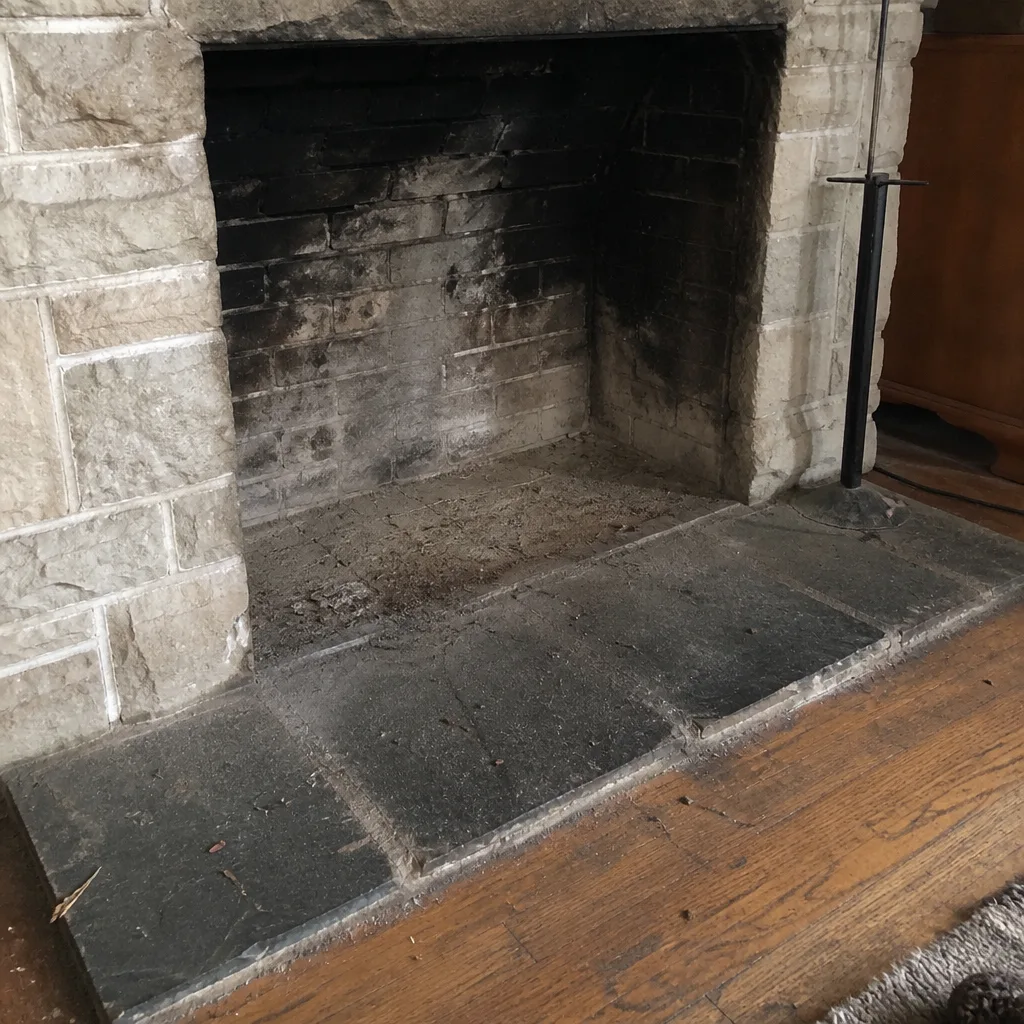 Before
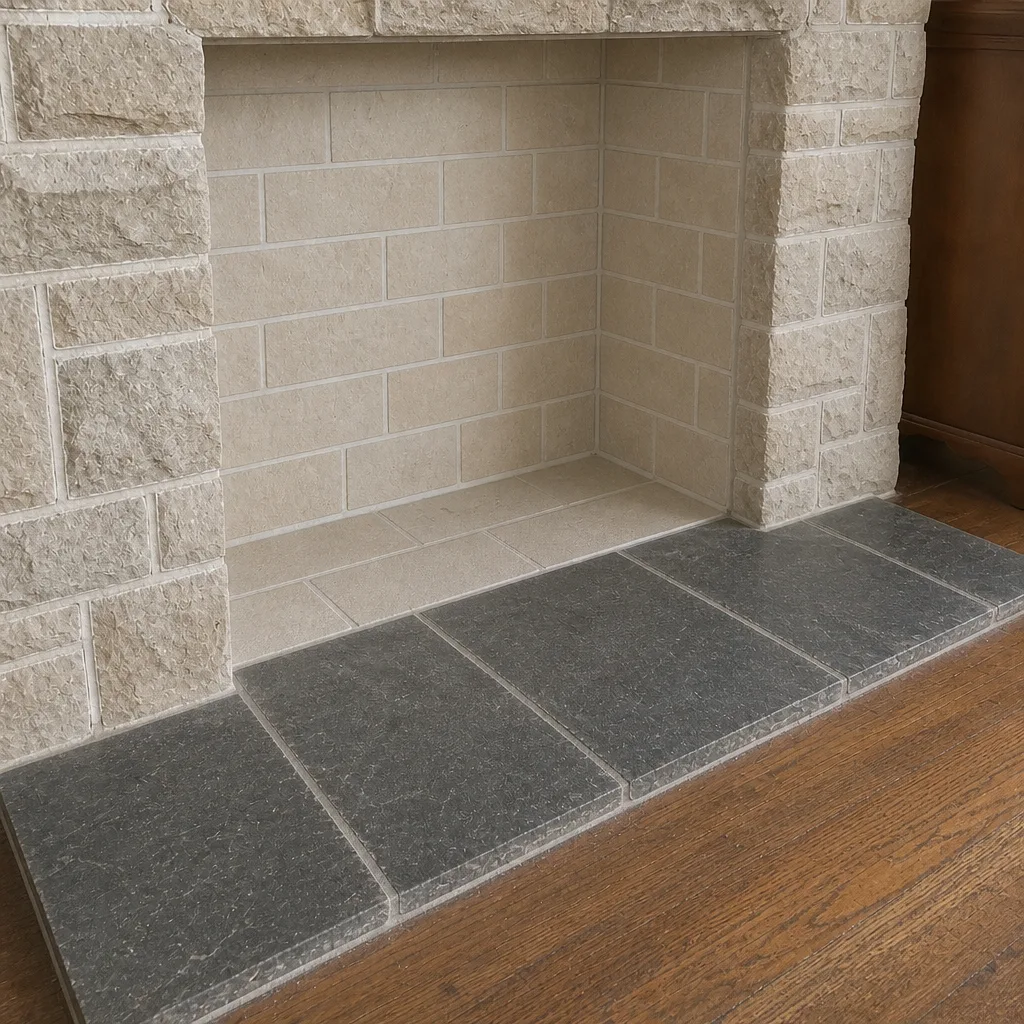 After
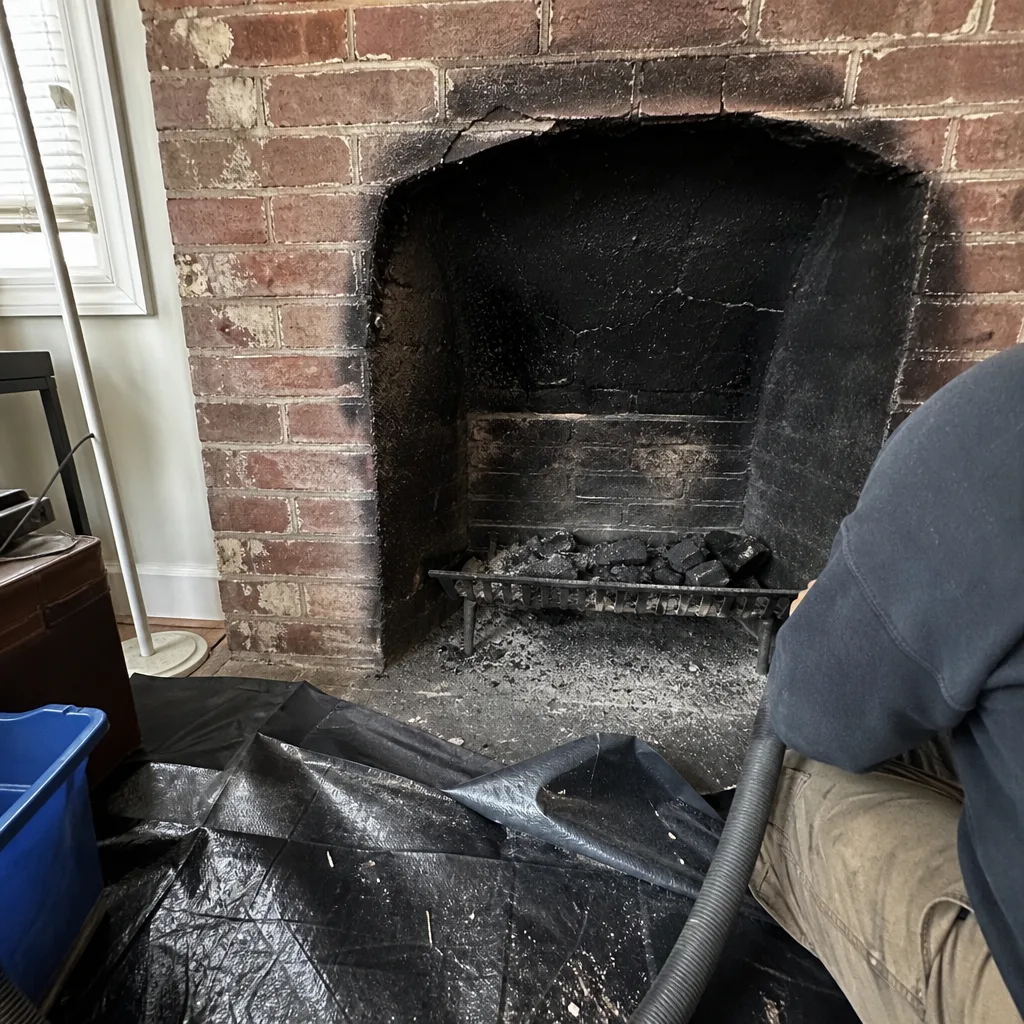 Before
 After
 Before
 After
Frequently Asked Questions
Close the damper, close the fireplace doors, get everyone out, and call 911 from outside. Do not open the damper or doors to check, and do not try to put the fire out yourself. The counterintuitive part is closing the damper: most people open it to let smoke out, which feeds oxygen to the fire inside the flue. Call (855) 473-9926 for a post-fire inspection once the fire department has cleared the scene.
Chimney fires are audible and visible: roaring, rumbling, dark smoke, falling creosote flakes, or a hot chimney breast. Carbon monoxide is silent and can only be detected by symptoms (headache, dizziness, nausea that clears outdoors) or a CO alarm. With CO, leave the house immediately and call 911 without shutting down the appliance first. Call (855) 473-9926 for an inspection if you suspect either.
No, not until a certified chimney inspector has cleared it in writing. Louisville Fire won’t clear it for you; they respond to the fire, not the flue. The interior of the flue is where the damage happens, and it takes a camera inspection to see it. Call (855) 473-9926 for a post-fire Level II inspection with a photo report you can keep.
Once a year for most homes, and twice a year if you burn more than a cord of wood or use the fireplace as a primary heat source. The industry threshold is a 1/8-inch layer of creosote. Homes with a wood-burning insert or stove should be checked annually because inserts change the flue gas profile. Call (855) 473-9926 for a sweep and inspection before the burn season starts.
Most policies cover chimney fire damage, but the claim depends entirely on documentation. Your adjuster will want the fire department report, the inspection report, and photos of the damage. Don’t agree to a settlement before you have a professional assessment in hand. We can work with your insurer on the inspection side. Call (855) 473-9926 for a free estimate on the inspection.
No. Get out and call 911. A burning chimney fire is hotter than any garden hose can meaningfully cool, and the risk of roof work or re-entering the house to fight the fire is higher than the risk of letting it burn out in the flue. The professionals make that call. Call (855) 473-9926 for a post-fire inspection once the scene is cleared.
The Bottom Line
Chimney fire preparedness in Louisville comes down to a 90-second sequence you should rehearse before you need it, distinguishing a chimney fire from a carbon monoxide event, and treating the post-fire inspection as a required step rather than an optional one. Pre-season sweeps and camera inspections catch the conditions that cause fires before the first fall burn. When a fire has happened, don’t use the fireplace until an inspector clears it in writing. And when your insurance adjuster calls, have the inspection report and the fire department’s incident number ready. Call (855) 473-9926 for a free estimate. We answer 24/7. Fast dispatch from 7am to 7pm, Sunday through Friday. We handle sweep, inspect, and chimney repair as one visit, with a photo report you can see for yourself.
Written by the team at Clover Chimney Sweep.