
Last updated November 15, 2026
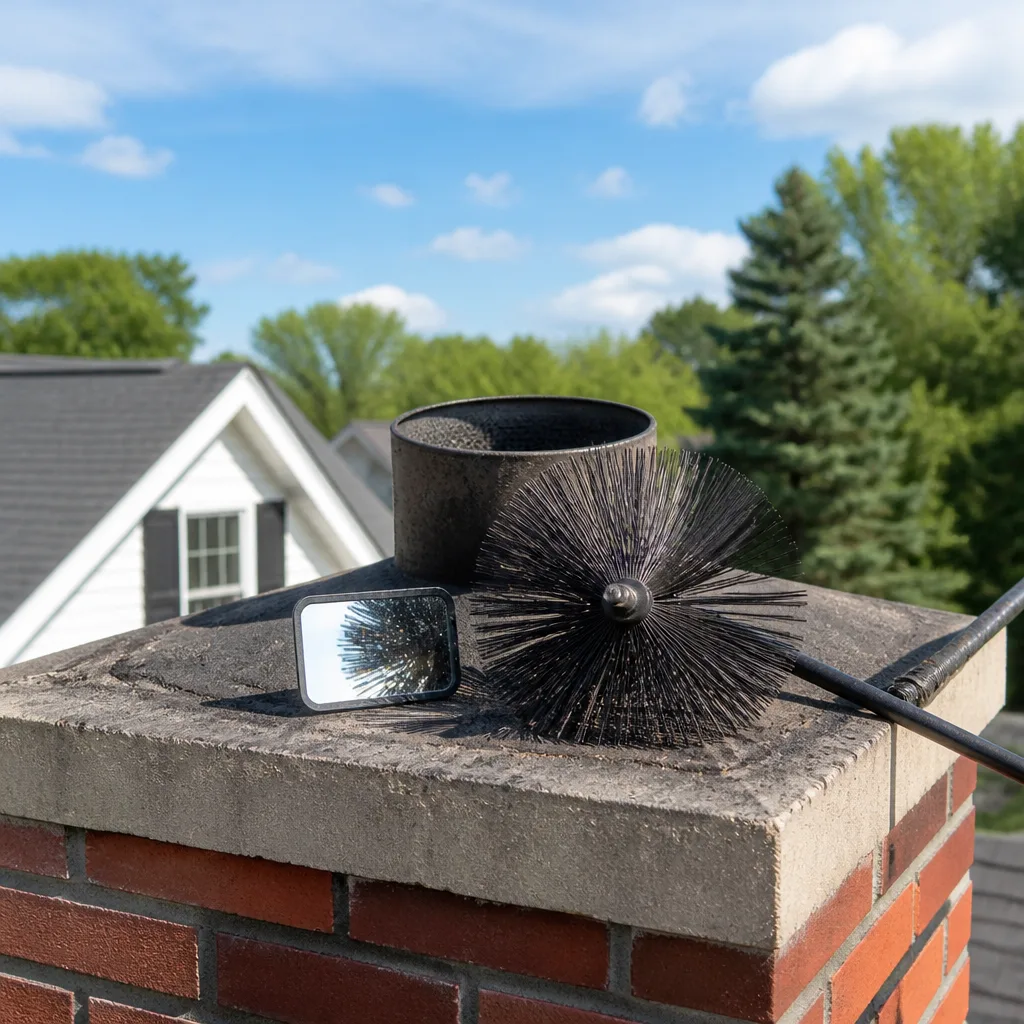 Sweep & inspection
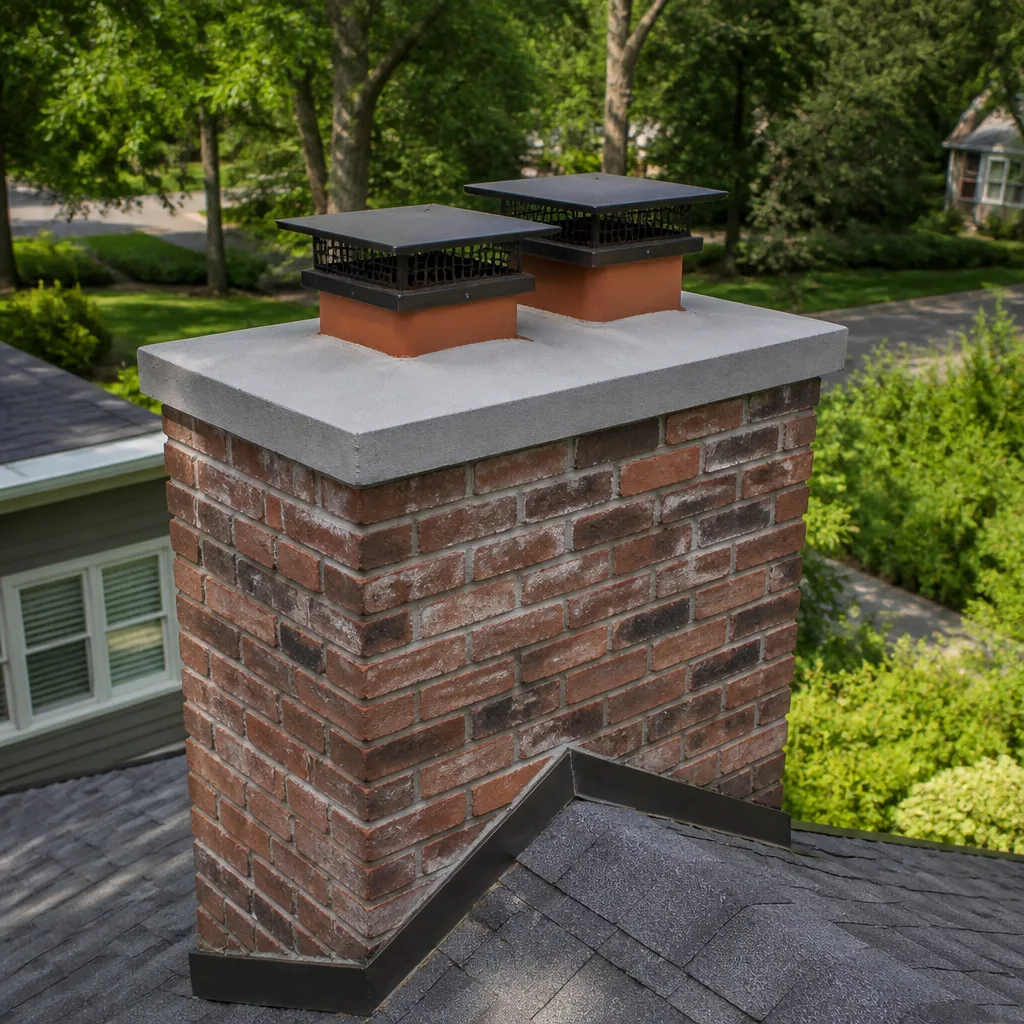 Caps & crowns
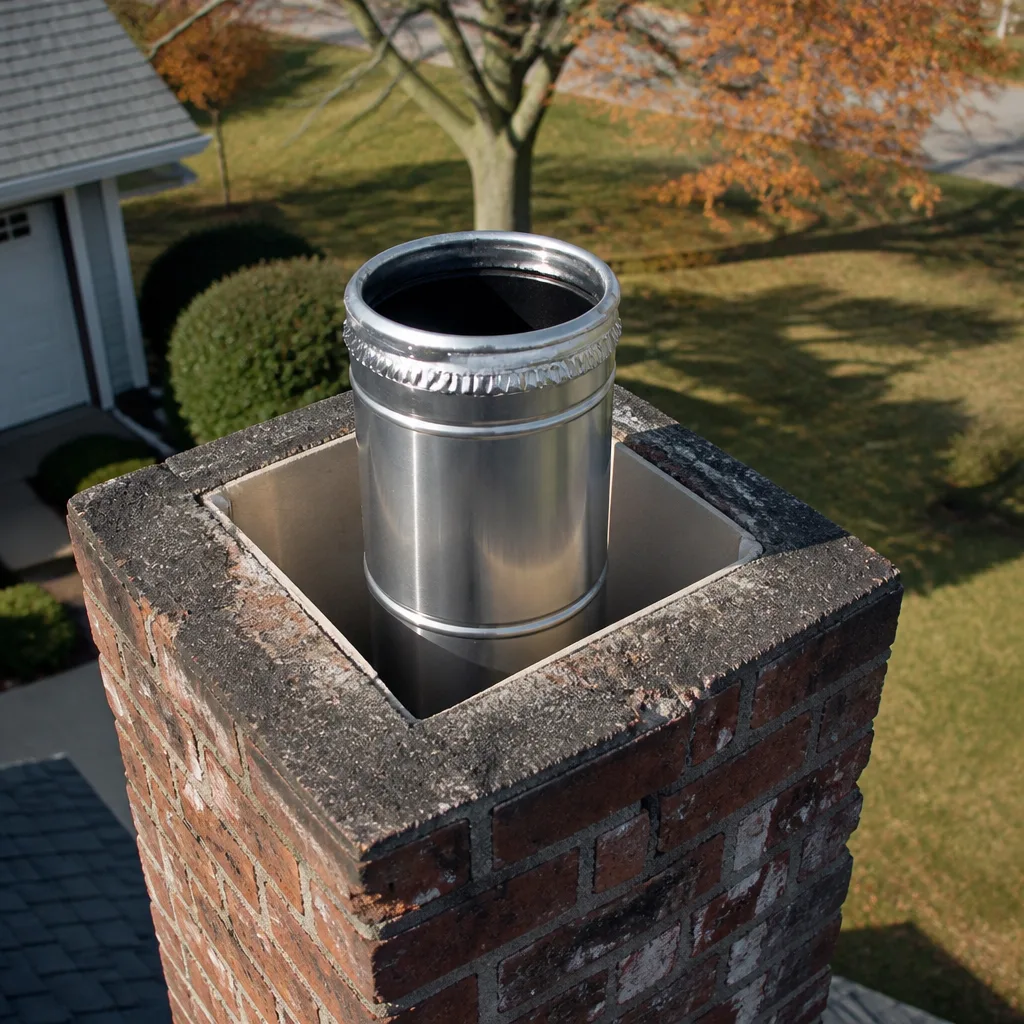 Flue relining
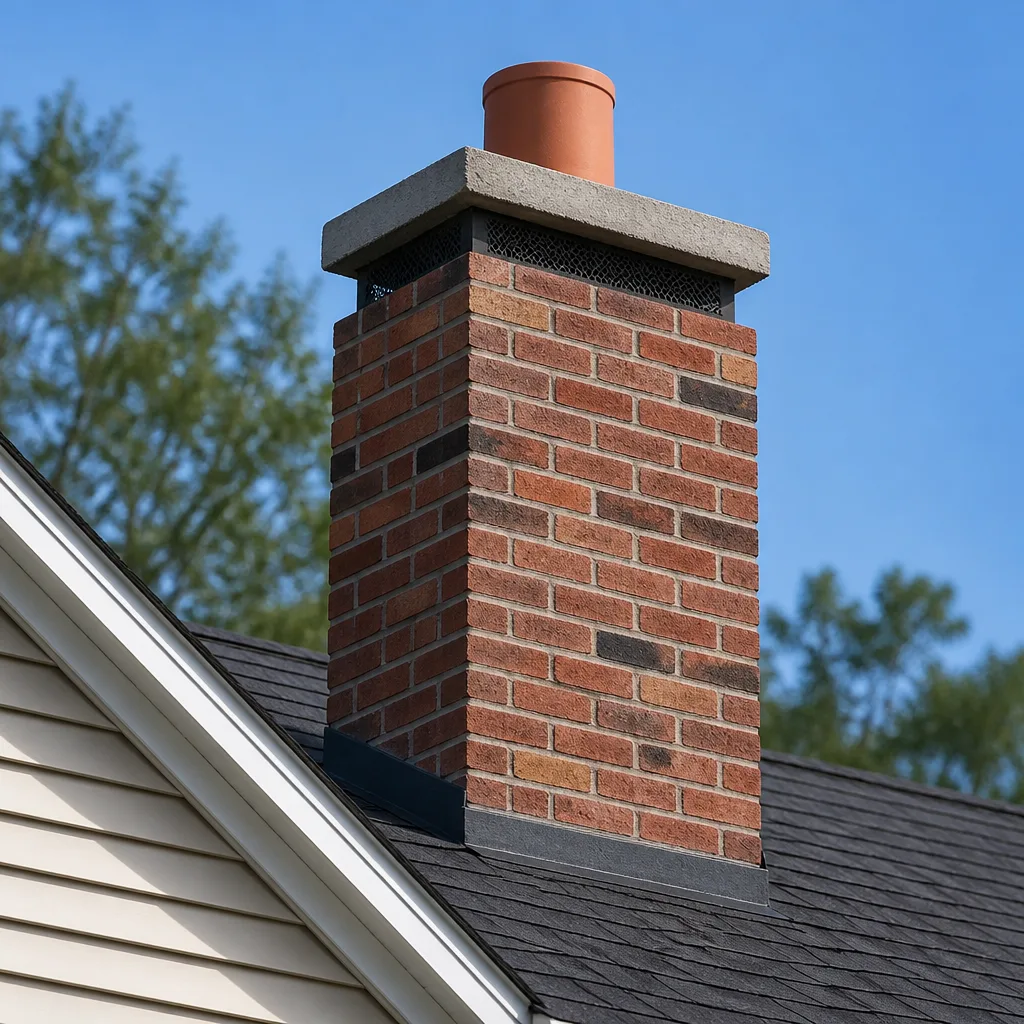 Masonry repair
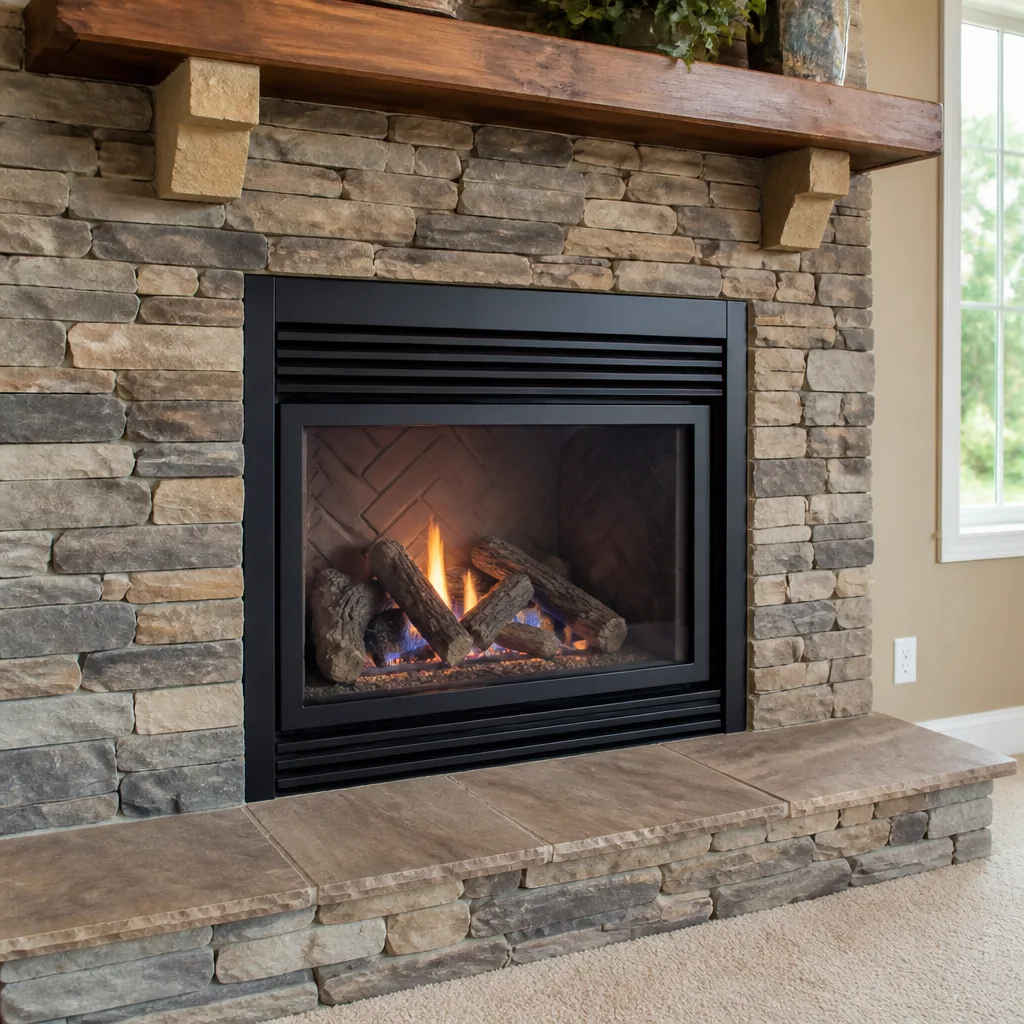 Gas fireplace service
Level 1 sweep and inspection to the NFPA 211 annual standard - flue, crown, cap, and flashing checked and photographed
Chimney sweep logs do not sweep chimneys. They loosen some creosote - which then falls where a brush and vacuum still have to collect it.
How to Hire a Chimney Cleaning Contractor in Louisville: A Step-by-Step Guide
Here’s a fact that surprises most homeowners: there is no license required to call yourself a chimney sweep in most of the country. Anybody with a brush, a shop vac, and a magnetic sign on the van can knock on your door tomorrow and offer to clean your flue. That’s the entire barrier to entry. Which means the credential question isn’t “are they licensed?” – it’s “what have they actually proven, and what are they willing to show me?” In this guide we’ll walk through exactly how to tell a specialist from a generalist, the five questions that separate them, the red flags of a low-bid operation, and how to verify insurance the right way. If you burn wood in Louisville, this is worth twenty minutes of your attention.
Quick Answer
To hire a chimney cleaning contractor in Louisville, verify proof of general liability and workers’ compensation insurance, confirm whether the company holds voluntary certifications like CSIA Certified Chimney Sweep or NFI (and understand these are exams, not licenses), ask which liner and repair brands they stock and install, and request a written scope of work before anyone touches your flue. A legitimate sweep will welcome every one of those questions. A low-bid operator will get uncomfortable around question three.
Styles & brands we work with
- Sweep & inspection
- Caps & crowns
- Flue relining
- Masonry repair
- Gas fireplace service
Table of Contents
- What Do Chimney Credentials Actually Prove?
- Five Interview Questions That Separate a Specialist from a Generalist
- Red Flags in Low-Bid Chimney Operations
- How to Verify a Louisville Contractor’s Insurance Properly
- What a Legitimate Sweep’s Truck and Equipment Setup Looks Like
- What a Real Inspection Involves (and What It Should Cost)
- Reading a Written Estimate the Right Way
- Louisville-Specific Hiring Considerations
What Do Chimney Credentials Actually Prove?
Three letters get thrown around constantly in this trade, and homeowners tend to lump them together. They’re not the same thing, and understanding the difference changes how you evaluate a contractor from the first phone call.
CSIA Certified Chimney Sweep
The Chimney Safety Institute of America runs a voluntary exam. Any technician can sit for it. It is not a state license, it is not issued by a government body, and it does not legally authorize anyone to do anything. What it does demonstrate is that a technician has studied the relevant codes, venting principles, and safety standards and passed a knowledge test, and that they maintain the credential through continuing education. That’s genuinely meaningful – it shows a baseline of technical literacy – but it’s a floor, not a ceiling. Plenty of competent sweeps aren’t certified, and being certified doesn’t guarantee good workmanship.
NFI Certification
The National Fireplace Institute certifies technicians in specific appliance categories – wood, gas, and pellet. NFI certification is more relevant if you have an insert or a stove rather than an open fireplace, because it demonstrates training on that appliance type specifically. Again: voluntary, exam-based, not a license.
State Contractor Licensing
Here’s the part that matters most. Kentucky does not license chimney sweeps as a trade the way it licenses electricians or plumbers. Masonry and general contracting work may fall under different rules depending on scope and jurisdiction, and local permit requirements in Louisville vary by the type of work being done. If a contractor tells you they’re “licensed” for chimney work, ask precisely what license, issued by what agency. A vague answer tells you something. If structural repair or a reline is on the table, ask your city’s building department whether a permit applies to your job – that’s a question worth asking before signing anything.
The takeaway: treat certifications as evidence of training, not as a legal stamp, and never accept “we’re licensed and certified” as a substitute for specific answers.
Five Interview Questions That Separate a Specialist from a Generalist
You can learn almost everything you need on the phone before anyone schedules a visit. These are the five questions we’d ask if we were hiring someone to work on our own chimney.
- “What liner brands do you stock and install?” A specialist names specific manufacturers – HeatShield, Gelco, Olympia Chimney, Famco, DuraFlex. A generalist says “we use whatever’s available” or “high-quality materials.” The inability to name a brand is the tell. What goes into your chimney matters as much as the labor, and a company that doesn’t know its own materials can’t have thought hard about them.
- “Can you tell me the difference between resurfacing a liner and replacing it?” If the answer is a full reline for every situation, you’re talking to either a salesperson or someone without resurfacing capability. Ceramic resurfacing systems like HeatShield exist precisely because many damaged liners can be repaired without full replacement. A specialist explains the distinction; a generalist changes the subject.
- “What’s your process for finding a problem I can’t see?” The answer should involve a camera. If a contractor diagnoses a cracked flue by eyeballing the firebox, get a second opinion.
- “Do you carry both general liability and workers’ compensation?” Both. Not one. We’ll explain why in the insurance section below – it’s the question homeowners most often get wrong.
- “What does the written estimate look like before work starts?” A legitimate operation puts the scope in writing, including what’s included and what isn’t. A low-bid operation gives you a verbal number and adjusts it on the spot.
None of these are trick questions. A professional answers all five in under five minutes. Hesitation, deflection, or a pitch in place of an answer tells you everything.
Red Flags in Low-Bid Chimney Operations
Almost every chimney scam in the country runs on the same basic script: offer a remarkably low cleaning price, find a “serious problem” mid-service, and escalate to a large repair bill. The variation is in the details, but the pattern is consistent enough that you can spot it early.
- A vague written estimate. “Clean and inspect” with no line items doesn’t tell you what’s included, what’s excluded, or what happens if something is found. Every scope should be specific: what’s being cleaned, how, what’s being inspected, and what triggers additional cost.
- Reluctance to show camera footage. Any real flue defect can be photographed and shown to you. If a technician recommends repair and can’t or won’t pull up the evidence on a screen, you don’t have a diagnosis – you have an opinion.
- Jumping to full liner replacement. Replacement is sometimes the correct call. It is not always the correct call, and any contractor recommending it without first ruling out resurfacing is skipping a step. Ask directly: “Why isn’t resurfacing an option here?”
- Pressure to decide today. A cracked flue is a real safety concern and we’d never tell you to ignore it, but very few situations require you to sign the same hour. Take the written estimate, read it, and sleep on it if you need to.
- No verifiable insurance paperwork. A certificate of insurance is a phone call away for any legitimate company. “We’re fully insured” as a spoken phrase is not a certificate.
- Cold-knocking with a seasonal special. Any unsolicited offer that starts with a price and ends with an inspection finding is worth a raised eyebrow.
- No visible equipment beyond a brush. A camera, a proper vacuum setup, and drop cloths are baseline tools of the trade. A bare-bones operation with a single brush is a bare-bones operation.
How to Verify a Louisville Contractor’s Insurance Properly
Most homeowners ask one insurance question and feel satisfied by the answer. That’s the mistake. General liability insurance alone is not enough for chimney work, and here’s why.
General liability covers damage to your property – if a technician drops a flue tile through your liner, or a malfunction floods your living room, GL handles that. What GL does not cover is injury to the technician working on your house. That’s workers’ compensation. If an uninsured worker falls from your roof or is injured on your property, that claim may land on your homeowner’s policy or on you personally. A contractor carrying only GL is only half-covered, and the missing half is the one that protects you.
Requesting it is simple and painless:
- Ask for a certificate of insurance (COI) naming both general liability and workers’ compensation coverage.
- Confirm the certificate is current, not expired.
- Call the insurance agent listed on the certificate to verify it’s active. Any contractor with real coverage will not object to this step.
- Ask whether the policy covers subcontractors, if any will be on your job.
As a matter of how we operate, we’re licensed and insured, and we’re glad to confirm coverage details in writing. That’s not a favor – it’s the baseline. Any company in Louisville that gets defensive about an insurance request is telling you something you should believe.
What a Legitimate Sweep’s Truck and Equipment Setup Looks Like
You can evaluate a chimney operation before work starts by looking at what arrives. This isn’t about brand names on the van – it’s about whether the tools match the trade.
- A proper vacuum system, not a shop vac. Chimney sweeping generates fine dust that escapes household vacuums easily. A HEPA-rated vacuum with proper filtration is standard, and drop cloths and floor protection should come out before any tool does.
- Inspection camera. A digital camera on a flexible rod is how a technician sees the inside of a flue. Its presence signals that inspection means something more than a flashlight up the chimney.
- Rodded brushes sized to the flue. A single brush doesn’t fit every flue. Standard practice is a set of brushes matched to flue dimensions.
- Material for minor sealing and repair. A specialty sweep carries sealant, flue tile repair components, and cap hardware because small issues are usually found during a cleaning – not pre-scheduled for a second visit later.
- Clean-up equipment. If the truck doesn’t have a vacuum and drop cloths, expect dust in the room.
The difference between a professional operation and a bare-minimum one shows up before the job starts. If the setup looks improvised, it probably is.
What a Real Inspection Involves (and What It Should Cost)
Inspection is the part of chimney service most homeowners underestimate. It’s also the part where qualifications matter most.
There are different levels of inspection, and they’re not interchangeable. A Level I inspection is a visual check of accessible components – the firebox, damper, visible flue, and cap – appropriate for a chimney with no known issues and no changes to the system. A Level II inspection adds a video camera scan of the flue interior. That’s the one to ask for when you’ve had a chimney fire, moved into a new home, changed appliances, or noticed any performance problem. Level II is the inspection that catches the things a visual check can’t.
During a thorough inspection, a technician evaluates the flue for cracks in the clay tile lining, gaps in the mortar joints, creosote buildup and its type, blockages (nests, debris), damper function, and the condition of the cap and crown. If the flue has damage, the technician should show you the camera footage and explain what you’re looking at.
On cost: typical chimney inspection and sweep pricing in Louisville runs in the $150-$350 range for a standard cleaning and Level I inspection, with Level II camera inspection typically at the higher end or quoted separately. Exact pricing depends on the flue configuration and access. Every job should end with a written report, and you should leave every appointment understanding what condition your flue is in.
Reading a Written Estimate the Right Way
A written estimate is a document, not a number. Here’s what a trustworthy one includes.
- Scope of work in plain language. What exactly is being done, and to what component of the chimney system?
- Materials specified by brand. “Premium liner” is not a specification. A brand and model is.
- Line-item pricing. Labor and materials broken out so you can see where the cost sits.
- What’s excluded. A scope that lists only inclusions is half a document. Ask what isn’t covered.
- Contingency terms. If the sweep finds hidden damage during the job, what happens? A good estimate says this up front.
If a contractor quotes a number verbally and hands you nothing, you’re not looking at an estimate – you’re looking at a guess. If the recommendation is major repair, ask whether the camera footage is available and whether a written estimate includes it.
Louisville-Specific Hiring Considerations
Louisville sits in a climate with genuinely distinct heating and cooling seasons, and that matters for chimney maintenance. The burning season runs from fall through spring, which means the smart time to schedule a sweep is late summer or early fall, before the first fire of the year. The shoulder season – not the peak of winter – is when most homeowners let a sweep slip off their radar, and it’s also when creosote from the prior year sits in the flue through the warm months.
Louisville’s housing stock is mixed – older homes in neighborhoods like the Highlands and Clifton frequently have original masonry chimneys with clay tile liners that have had decades to develop cracks, while newer construction elsewhere often uses different venting configurations entirely. A sweep who works regularly in Louisville knows both patterns, and knows what a 1920s masonry flue typically looks like versus a 2000s build.
The specific issue in older chimneys is that hairline cracks in clay tile look inconsequential and aren’t. A cracked flue tile allows combustion gases – including carbon monoxide – to escape into wall cavities rather than up and out. That’s the level of defect a camera scan finds and an eyeball check misses, and it’s the reason we insist on camera evidence before recommending any liner work.
For a full picture of how we handle chimney service in the area, see our Louisville page. And if you’re ready to move on your chimney, our chimney sweep service is where most homeowners start, with repair work handled by the same team – no referral out, no second contractor. See our chimney repair service if you’ve already been told you have damage.
Common Mistakes to Avoid
- Calling a handyman for a chimney problem. Handymen handle a lot, but chimney work isn’t one of them. A generalist can sweep, but won’t have the camera, the liner knowledge, or the material access to diagnose properly. Hire a specialist.
- Accepting a low cleaning price without asking what happens next. If the quote seems too low, it’s a lead-in, not a price. Confirm what’s included and how additional findings are handled.
- Taking a verbal insurance assurance. “We’re insured” is not a certificate. Ask for the COI and verify it with the agent. It’s a five-minute phone call that protects you from a serious liability.
- Skipping the camera scan to save time. The camera is the difference between an inspection and a guess. Ask for Level II if anything seems off about your flue’s performance.
- Assuming “certified” means licensed. It usually doesn’t mean anything the state requires. Ask which certification, from which organization, and understand it’s a voluntary exam.
- Letting a sweep tell you the liner is failing without showing you footage. If they can’t show you, they can’t convince you – and you shouldn’t sign anything until they can.
- Waiting until you smell smoke or notice drafting to schedule. By the time a chimney performance issue is obvious, there may already be creosote accumulation or a partially blocked flue. Annual inspection catches it earlier.
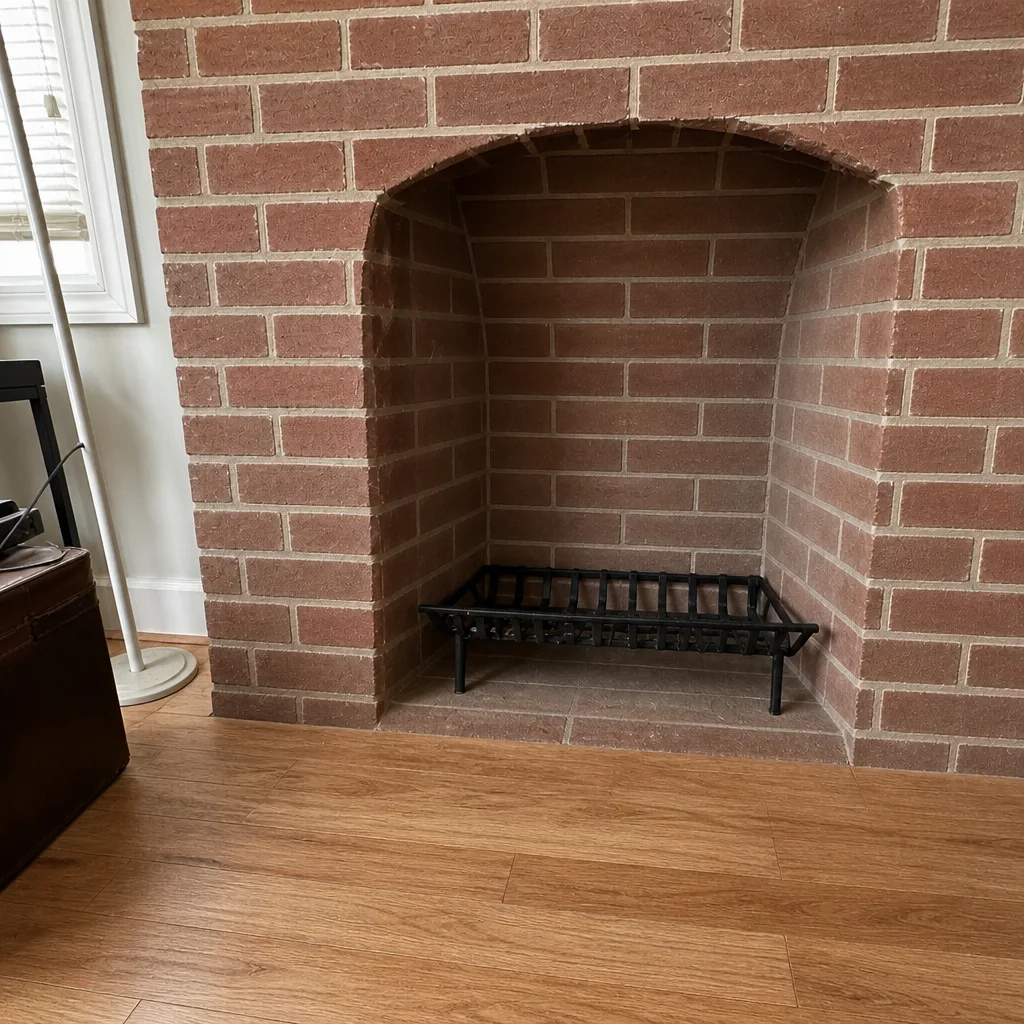
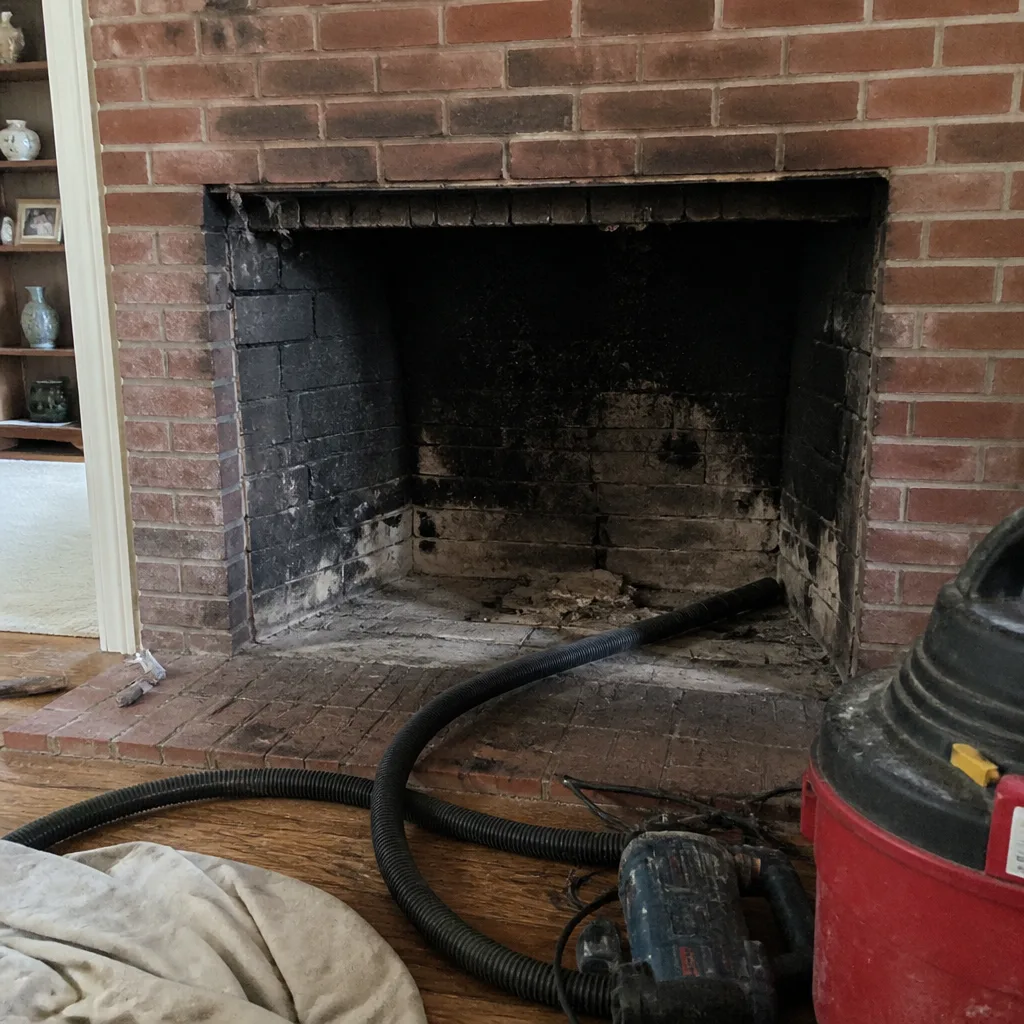
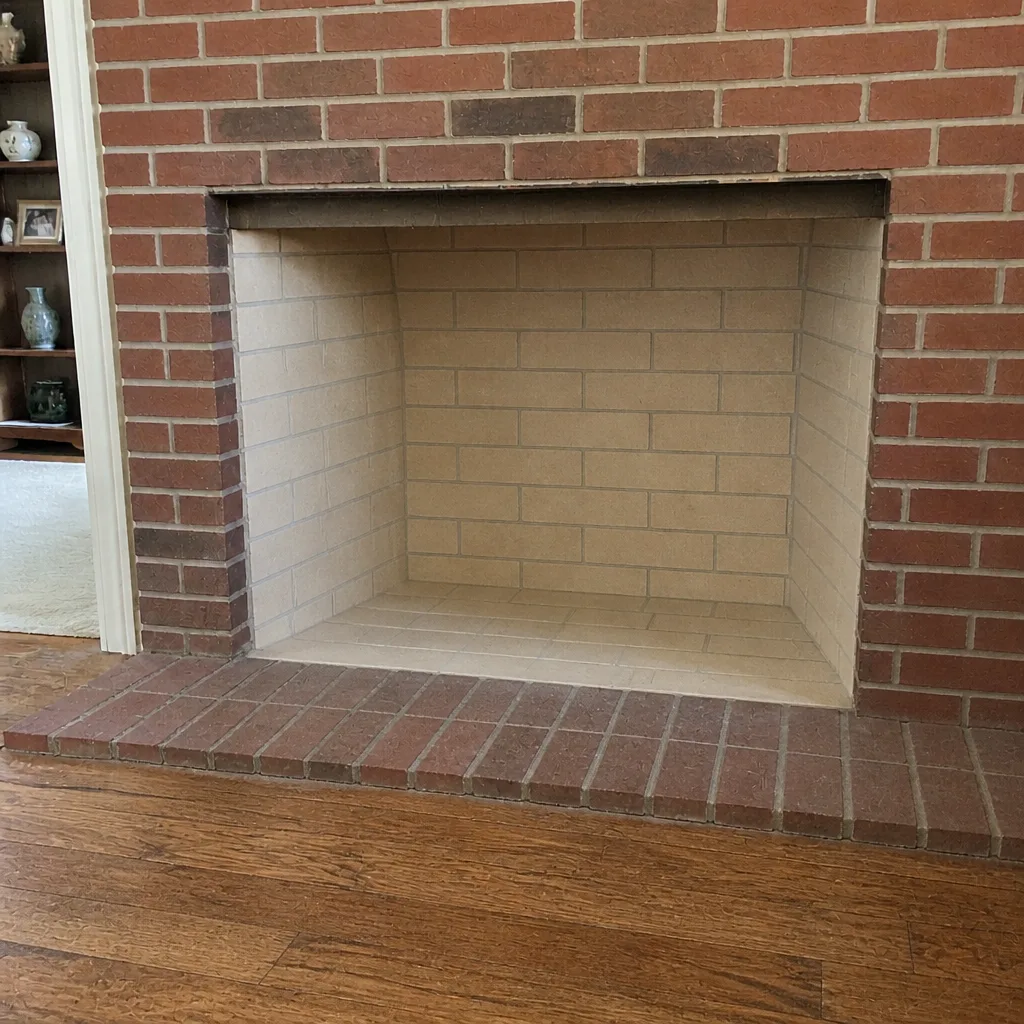
See the difference
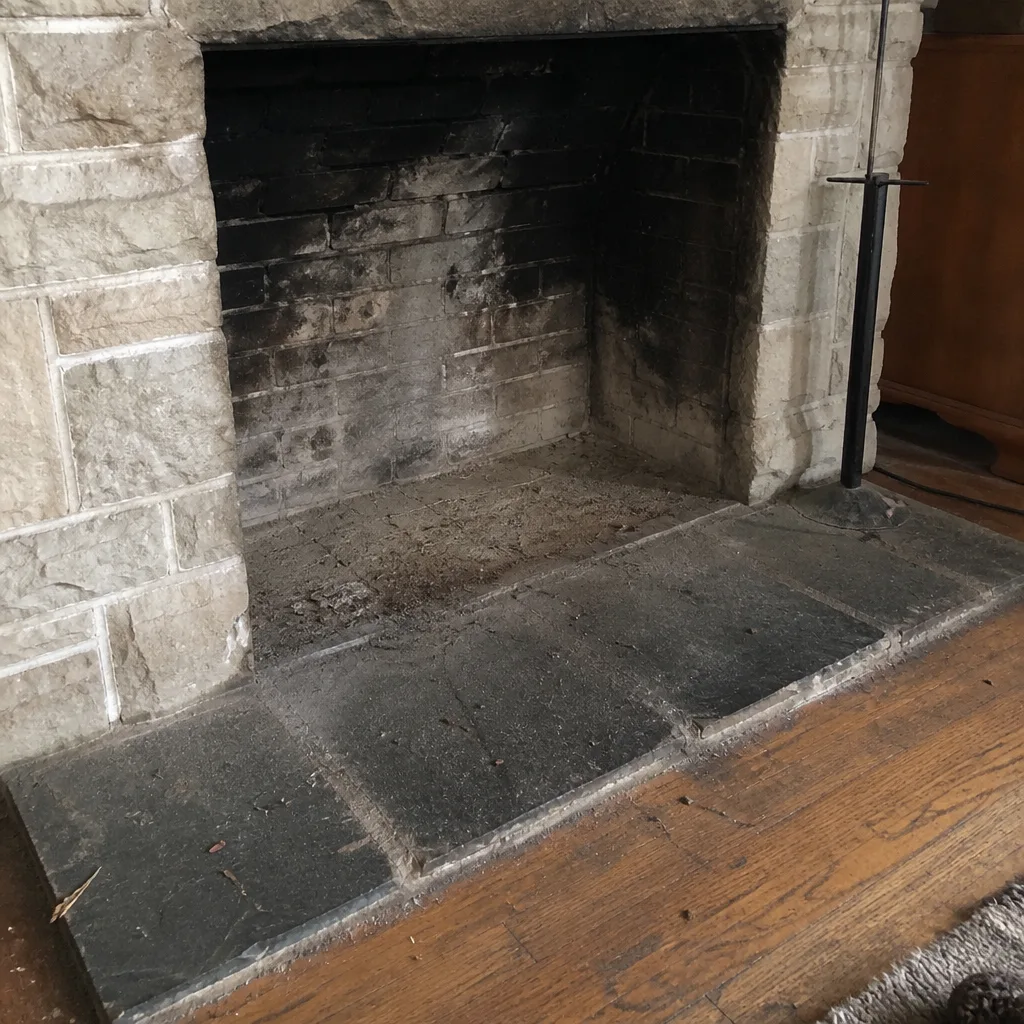 Before
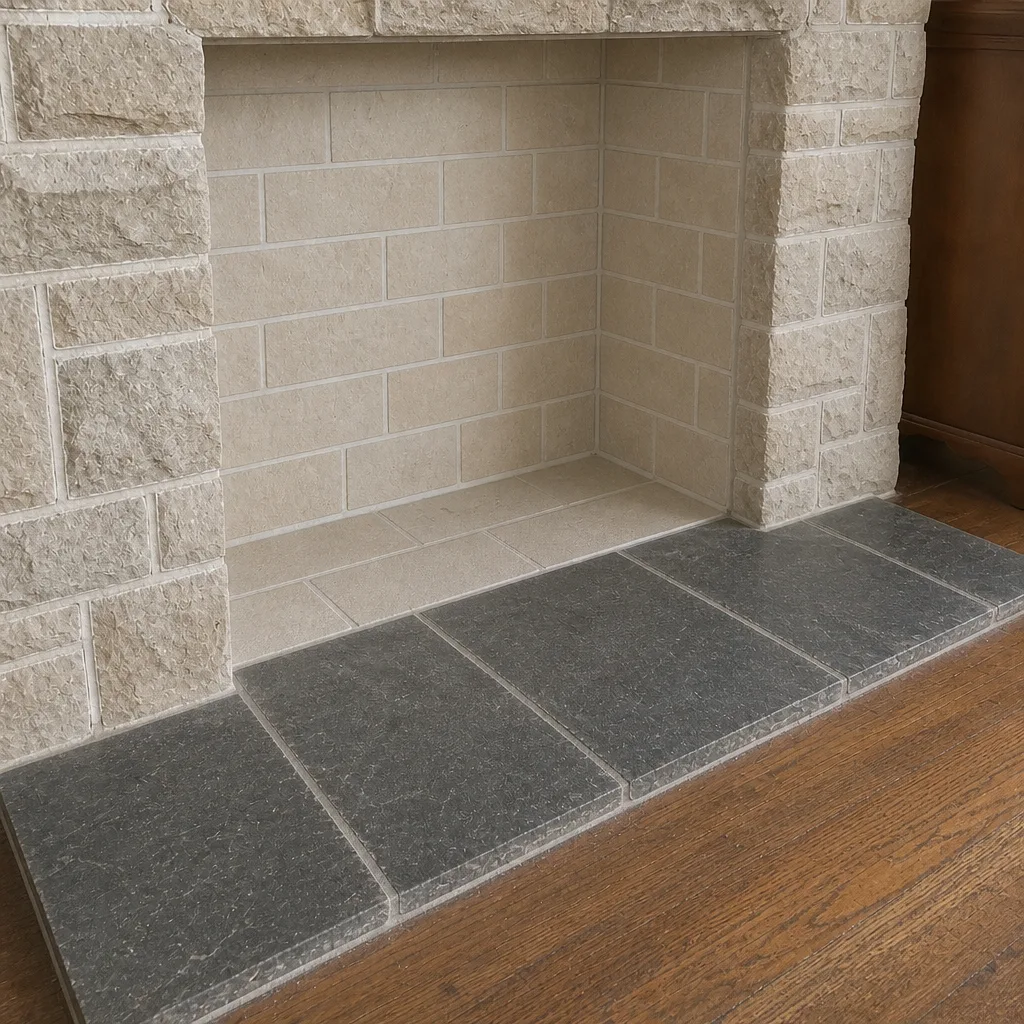 After
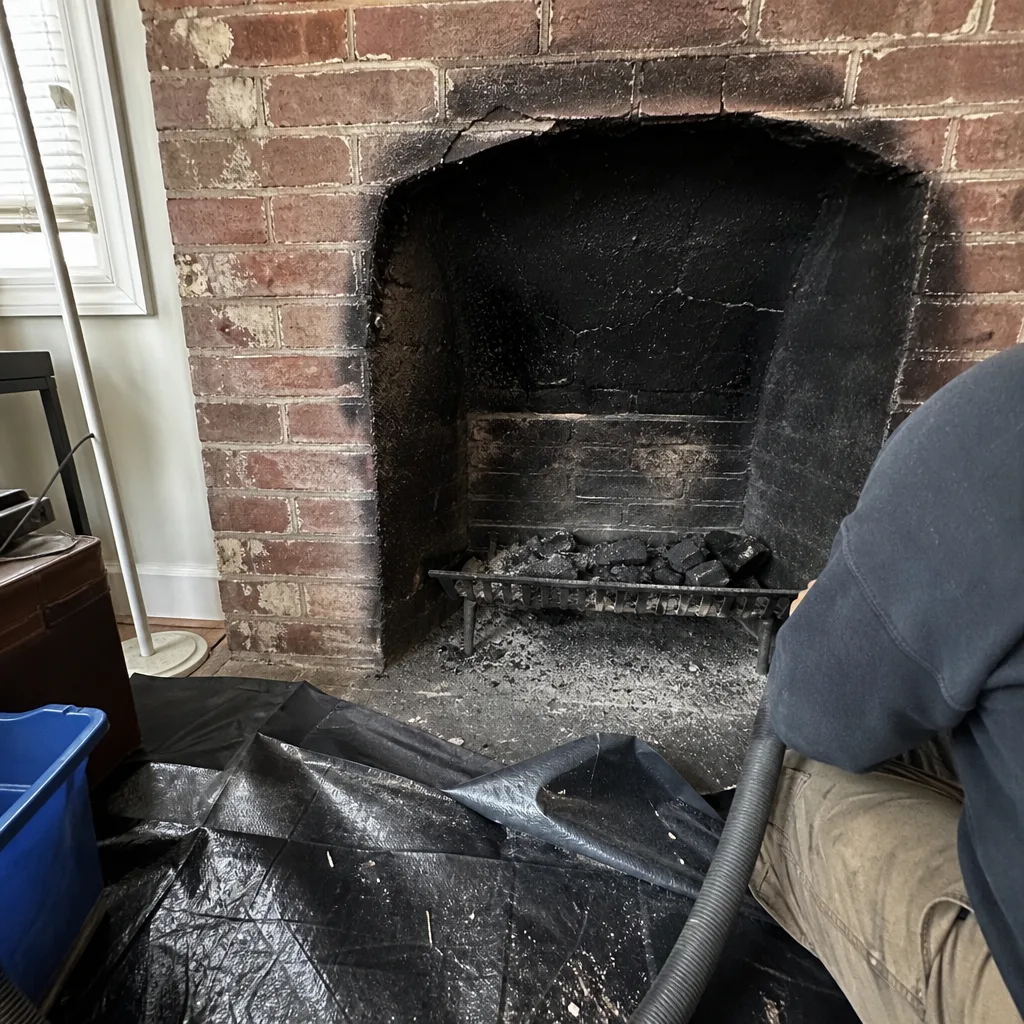 Before
 After
 Before
 After
When to Call a Professional
Some chimney issues clearly require a trained specialist. A chimney fire – even a small one that seems to have put itself out – is a call-a-professional event, because the heat can crack clay tile invisibly from the inside. Strong or persistent odors from the fireplace when it isn’t in use can indicate a draft problem or creosote buildup. Smoking or poor draft that wasn’t there before, visible brick deterioration around the firebox or chimney exterior, water staining on the chimney stack, or a strong smell of creosote during warm months all warrant a professional inspection. If you’re installing a new insert or wood stove and need to know whether the existing flue is compatible, that’s a Level II inspection conversation. Clover Chimney Sweep offers free estimates in Louisville – call (855) 473-9926 to schedule.
Frequently Asked Questions
Typical chimney sweep pricing in Louisville runs in the $150-$350 range for a standard cleaning with a Level I inspection, with Level II camera inspections quoted at the higher end or as a separate line. Exact pricing depends on flue configuration, chimney height, and access. Call (855) 473-9926 for an exact quote – estimates are free.
Most wood-burning fireplaces and stoves should be swept annually, with the inspection forming part of that visit. If you burn frequently or use unseasoned wood, more often. The right answer for your chimney depends on how much you burn, what you burn, and what the camera shows – so annual inspection is the practical baseline.
Creosote accumulates, and at higher levels it becomes a genuine fire hazard – a chimney fire is what happens when creosote ignites. Beyond fire risk, carbon monoxide can escape through liner cracks into living space. Skipping isn’t just a maintenance lapse; it’s a safety risk, one that a proper inspection is designed to catch early. Call (855) 473-9926 for a sweep and inspection – estimates are free.
Not all damaged liners need replacing. Ceramic resurfacing systems like HeatShield repair cracked flue tile in place, extending the life of an aging liner without full replacement. Relining becomes necessary when the damage is beyond what resurfacing can address, or when the flue was never properly sized for the appliance. A proper diagnosis includes camera footage and a written recommendation. Call (855) 473-9926 – Clover Chimney Sweep can walk you through the options.
CSIA certification is a voluntary exam from the Chimney Safety Institute of America that demonstrates technical knowledge of codes, venting, and safety standards. It’s not a state license, and in fact most states don’t license chimney sweeps. Being certified is meaningful evidence of training; it’s not a government credential. Ask what a contractor is certified in, and by whom. Call (855) 473-9926 to talk through what our team’s credentials mean for your job.
Yes. We provide chimney sweep, chimney repair, and chimney inspection services in Louisville and surrounding areas. One call covers the full chimney: sweep, inspect, repair. Call (855) 473-9926 – estimates are free.
The Bottom Line
Hiring a chimney contractor in Louisville is a judgment call about credentials rather than licenses, and the difference between a specialist and a generalist shows up in the questions they can answer. A company that names its liner brands, explains resurfacing versus replacement, and shows you the camera footage is a company you can work with. A company that skirts those questions is one to walk away from, no matter how good the price. Our team at Clover Chimney Sweep works with professional-grade materials from HeatShield, Gelco, Olympia Chimney, and Famco, and we’ll tell you which your flue actually needs. Call (855) 473-9926 – we answer 24/7, with fast dispatch from 7am to 7pm, Sunday through Friday – and we’ll schedule a free estimate. One call covers the full chimney: sweep, inspect, repair.
For a full-service chimney specialist in the Louisville area, Clover Chimney Sweep handles sweep, inspection, and repair with a single team.
Written by the team at Clover Chimney Sweep.