
Last updated November 15, 2026
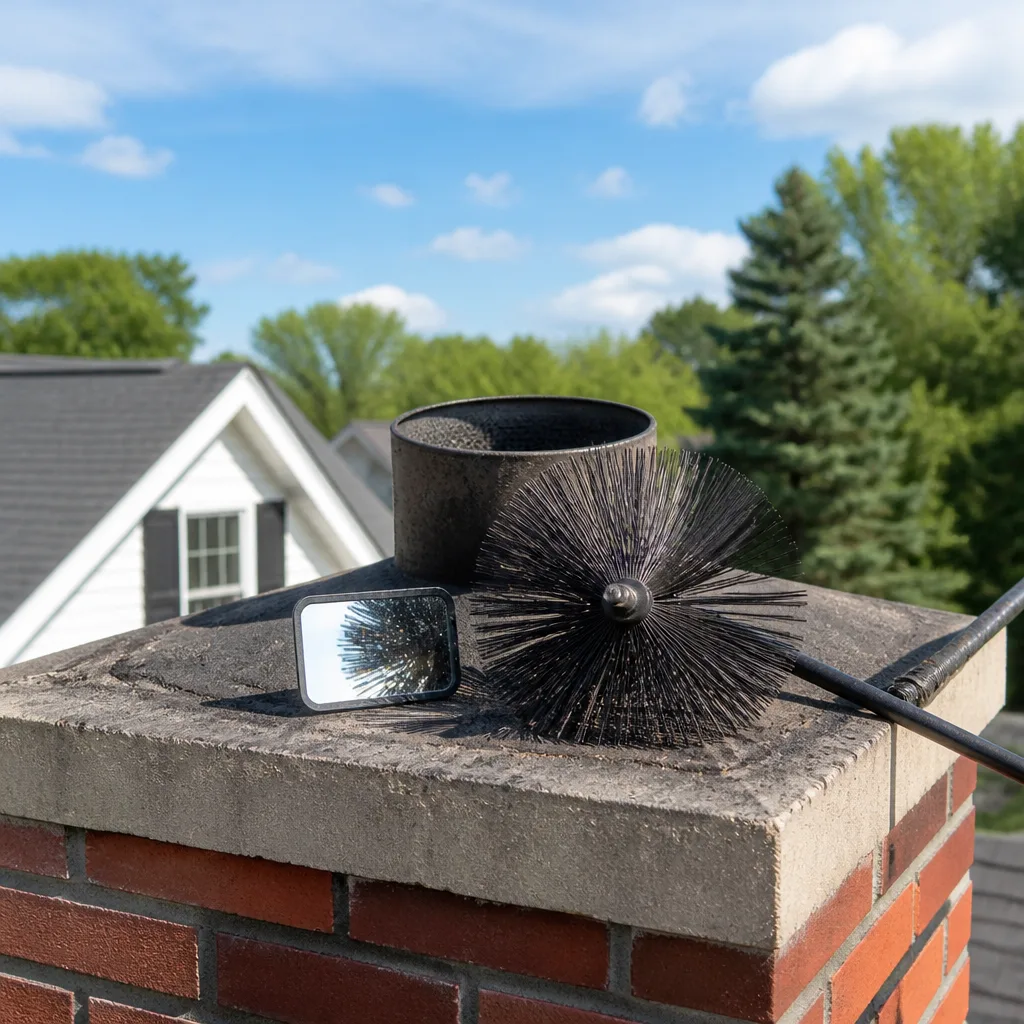 Sweep & inspection
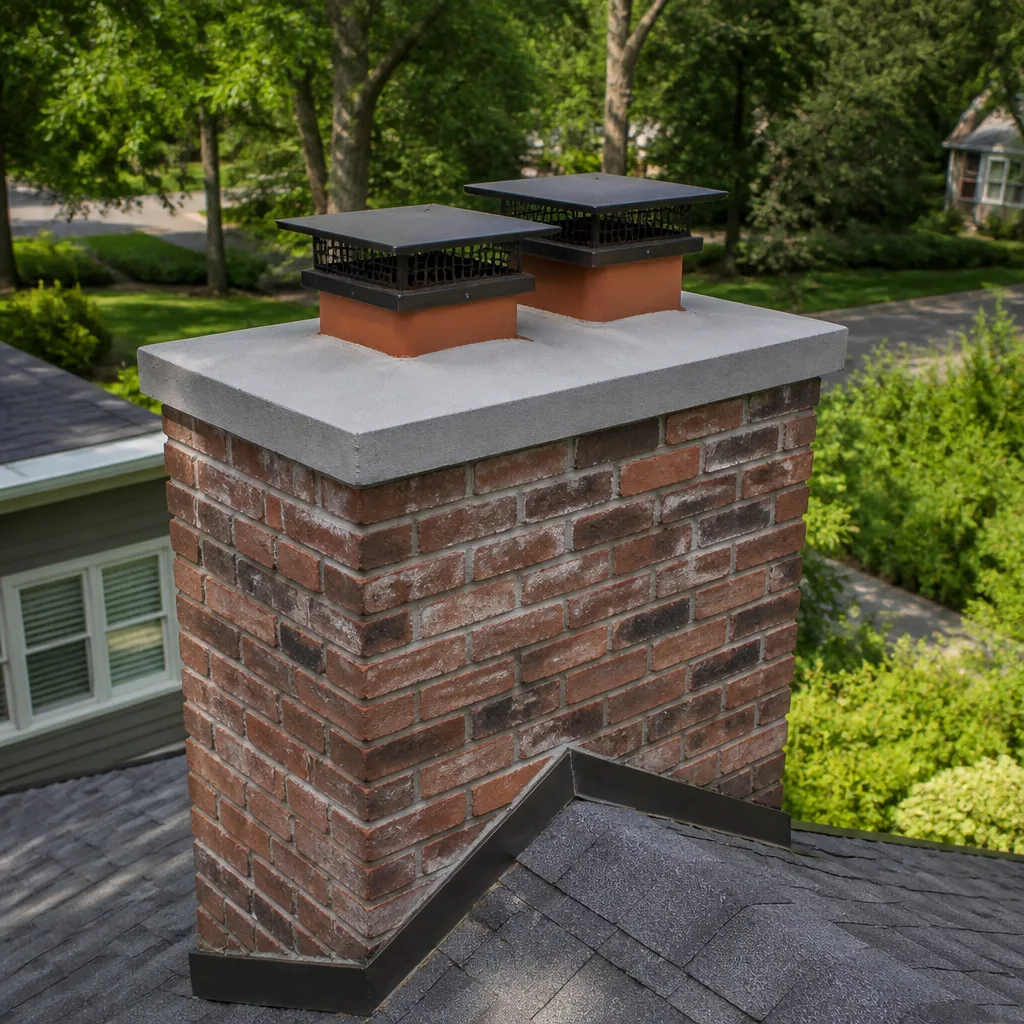 Caps & crowns
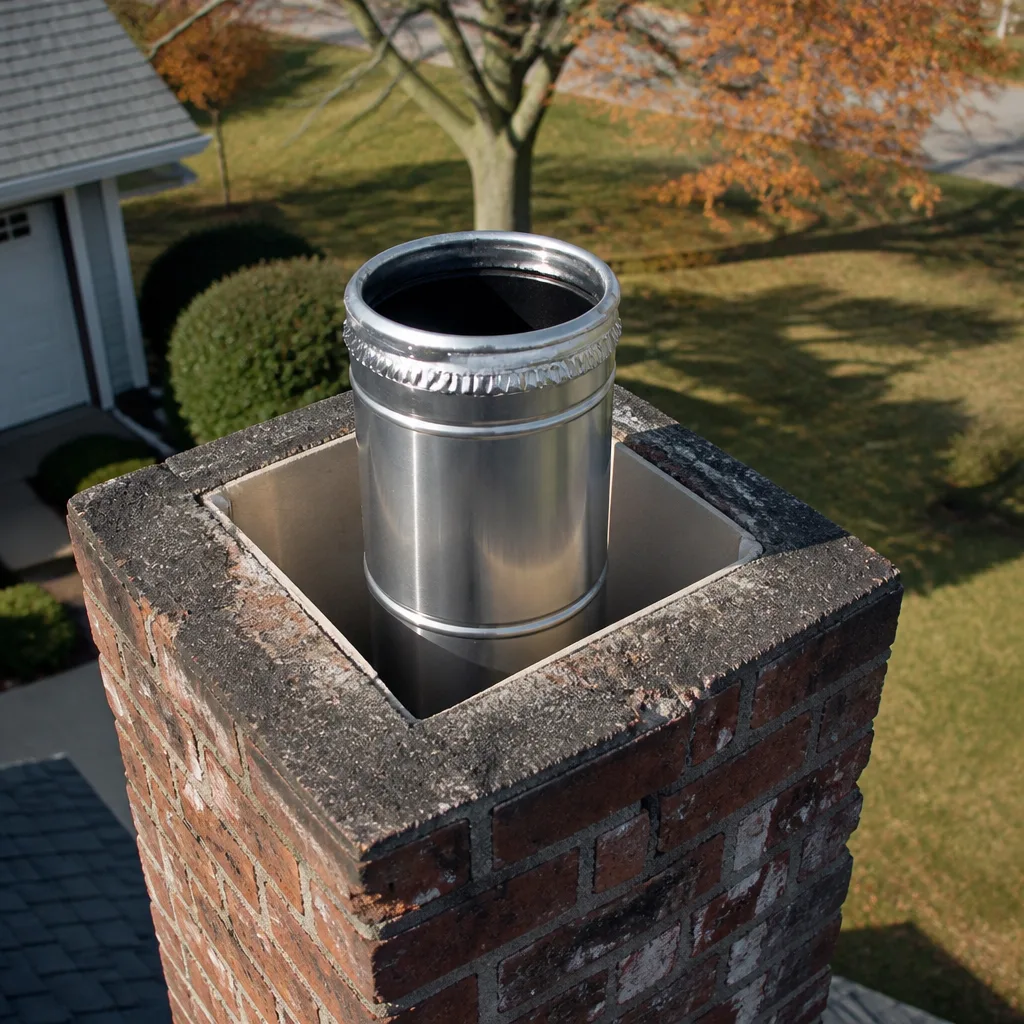 Flue relining
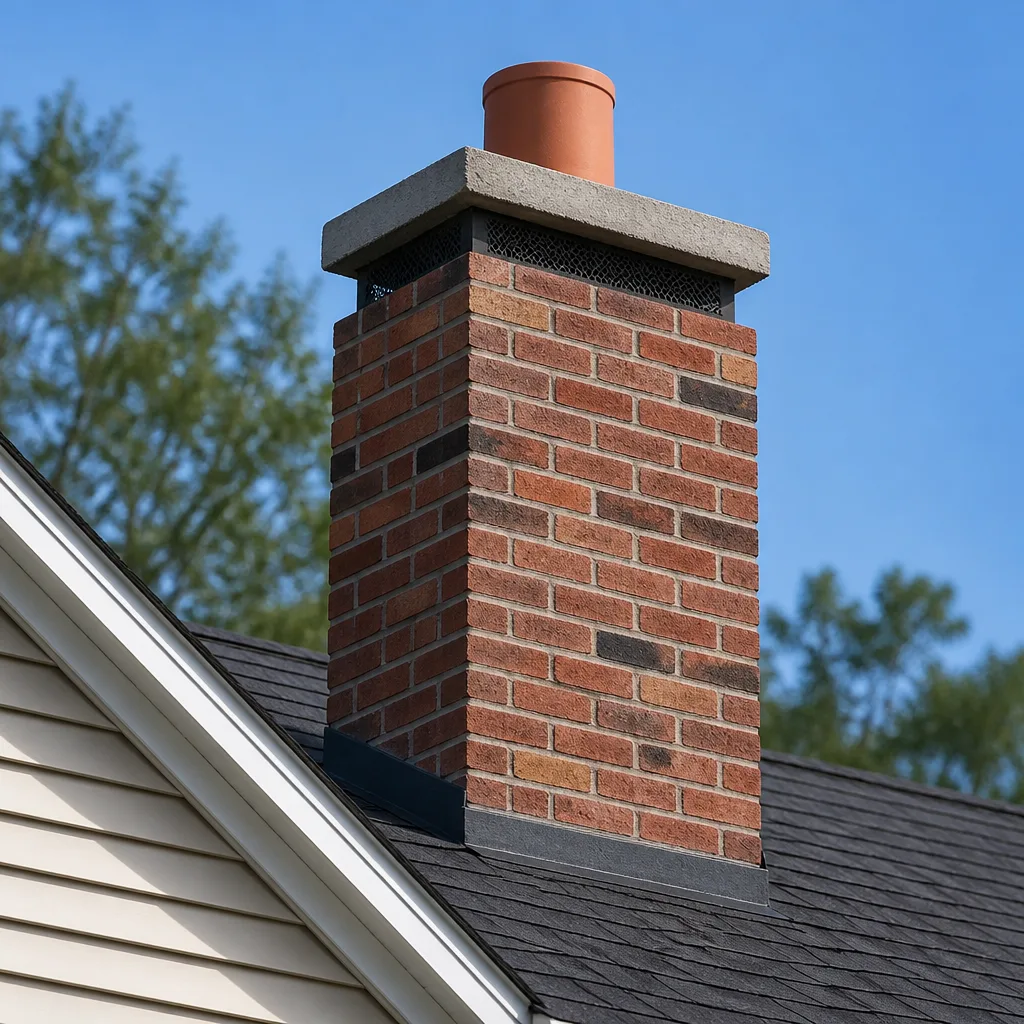 Masonry repair
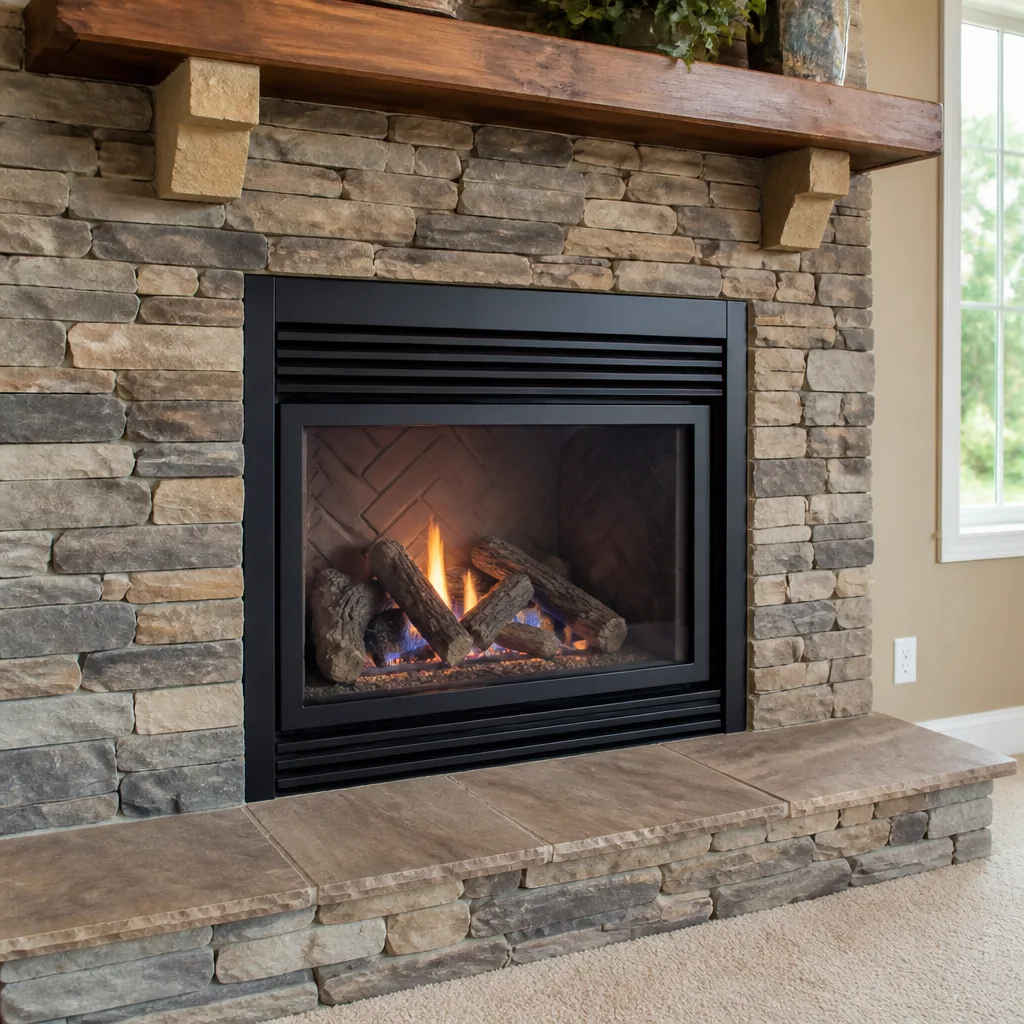 Gas fireplace service
Level 1 sweep and inspection to the NFPA 211 annual standard - flue, crown, cap, and flashing checked and photographed
Chimney sweep logs do not sweep chimneys. They loosen some creosote - which then falls where a brush and vacuum still have to collect it.
Chimney Cleaning Warning Signs: A Louisville Homeowner’s Reference Guide
Most warning-signs guides hand you the same seven symptoms in the same order, and most homeowners skim them, nod, and go back to lighting fires. That’s the problem. The warning signs that actually cause chimney fires in Louisville aren’t the dramatic ones. They’re the ones people explain away. A smoky smell on a humid July morning gets blamed on the weather. Gray flakes in the firebox get called “just ash.” A scratching sound in the flue gets called “the house settling.” This guide focuses on the signs Louisville homeowners most often dismiss or misread, how to tell them apart from harmless quirks, and the one signal that means stop using the fireplace today.
Quick Answer
The core chimney cleaning warning signs are a strong smoky or tar-like odor when the fireplace is cold, crumbling or flaking firebox mortar, dark shiny glaze inside the flue, smoke rolling back into the room, and animal sounds or odors from the chimney. Any one of these means the chimney needs a professional inspection and likely a sweep before your next fire. The single sign that justifies stopping all fireplace use immediately is glazed, glassy creosote combined with a restricted or smoky draft.
Styles & brands we work with
- Sweep & inspection
- Caps & crowns
- Flue relining
- Masonry repair
- Gas fireplace service
Table of Contents
- The Smoky Smell You Keep Blaming on the Weather
- Glazed Creosote vs. Normal Soot: How to Tell Them Apart
- What Spalling Actually Looks Like Inside a Firebox
- The Flashlight-and-Mirror Check Between Professional Visits
- Animal Intrusion Signs Most Homeowners Miss
- The One Sign That Means Stop Using the Fireplace Now
- Louisville Seasons and Your Chimney Schedule
- Five Signs People Dismiss for Years
The Smoky Smell You Keep Blaming on the Weather
A smoky smell in a Louisville home in July is usually not a chimney problem. Warm, humid air sitting heavy outside the house can push cool air down the flue, and that backdraft carries the smell of last winter’s fires into the living room. It’s a draft behavior, and it’s normal. The mistake is assuming every smoky smell is that.
There’s a second smell that’s not normal, and it’s the one most homeowners never learn to separate out. Creosote, the tar-like residue left by wood smoke, breaks down and off-gasses in heat and humidity. When it does, it doesn’t smell like wood smoke. It smells sharper, more like tar, asphalt, or a chemical campfire. That odor signature means there’s enough creosote built up in the flue that it’s actively decomposing, and a decomposing deposit is a deposit that’s ready to ignite.
Here’s how to tell which is which:
- Draft smell: strongest on humid days, fades when you open a window or crack a door near the fireplace, no odor at all when the firebox is cold and the weather is dry.
- Creosote smell: strongest when the firebox is cold, lingers for days, gets worse in humid weather but doesn’t go away in dry weather, and often shows up in upstairs rooms or closets that share the chase.
If the smell fits the second description, don’t wait for the fall. A sweep and inspection now tells you what’s actually in the flue. Our technicians have up to 9 years of experience reading exactly this kind of odor signature, and it’s one of the reasons we ask what the smell is like before we ever arrive.
Glazed Creosote vs. Normal Soot: How to Tell Them Apart
Normal soot is soft, black, and flaky. You can wipe it off the flue wall with a rag. Glazed creosote is hard, shiny, and looks like black glass or a scorched caramel coating. It doesn’t wipe off at all, and standard brushing won’t touch it. That difference matters more than any other in chimney safety, because glazed creosote is the fuel that turns a small flue fire into a house fire.
The three degrees of creosote buildup, in plain terms:
- First degree: soot and light fluff, easily brushed. This is what a routine sweep removes.
- Second degree: a crusty, tar-like layer that takes more aggressive brushing and sometimes a chemical treatment.
- Third degree: glazed, glossy, hardened creosote that has bonded to the flue wall. This is the dangerous one, and it requires a professional-grade approach.
This is where the material you use matters. Clover Chimney Sweep works with Gelco and HeatShield products specifically because third-degree creosote and damaged flue walls don’t respond to whatever’s on the shelf at a general supply house. HeatShield ceramic resurfacing is a proprietary liner-repair process that can extend the life of a chimney without full liner replacement, and most general handymen and non-specialist sweep companies simply don’t offer it. When a Louisville home has reached that point, we tell homeowners which of the two paths their flue actually needs: a resurfaced liner or a chimney repair with a full reline using DuraFlex flexible stainless liner. Brand-specific tooling and training make that a specialist’s job, not a generalist’s.
You don’t need to diagnose your own creosote degree. That’s what the inspection is for. But knowing the difference between soft soot and black glass helps you understand why a sweep isn’t just tidying up: it’s preventing a fuel source from sitting in your chimney all season.
What Spalling Actually Looks Like Inside a Firebox
Spalling is the flaking, crumbling, or breaking-away of the firebox masonry or brick. Most guides say “look for spalling” and move on. Here’s what it actually looks like when you’re kneeling in front of the fireplace with a flashlight.
- Powdering mortar joints: the gray mortar between bricks should feel hard. If it’s soft, sandy, or crumbles when you press it gently with a screwdriver handle, the mortar is failing.
- Flaking brick faces: small chips or thin sheets of brick surface lifting off, particularly near the fire or along the back wall. This is different from soot staining.
- White, chalky deposits: sometimes whitish powder along the joints. This is efflorescence, moisture pushing salts out of the masonry, and it usually means water is reaching the firebox.
- Soot staining where it shouldn’t be: if you see soot on mortar joints but not on the brick face, or staining that follows a crack pattern, heat is escaping through the joints rather than the brick.
- Visible cracks wider than a hairline: any crack you can fit a dime into is a crack that lets heat reach the framing behind it.
Normal soot staining is uniform, black, and washes off. Spalling is physical material loss. If the mortar is soft, the bricks are flaking, or there are cracks, stop using the fireplace until it’s been looked at. In Louisville’s older homes, firebox brick that’s been through decades of heating and cooling cycles is prone to exactly this, and it’s not something to patch with a tube of sealant. The same applies to chimney caps and dampers, which is why we work with Famco and Copperfield components rather than adapting generic parts.
The Flashlight-and-Mirror Check Between Professional Visits
You can do a basic visual firebox inspection between professional sweeps with a flashlight and a small mirror. This isn’t a substitute for an annual inspection, and it won’t catch what’s up inside the flue, but it catches the problems that develop fast and matter most.
Follow these steps:
- Make sure the fireplace is cold. No embers, no ash still warm, ideally 24 hours after the last fire.
- Shine the flashlight on the back wall and side walls. Look for cracks, flakes, or white powder along the joints.
- Run your fingers (not a tool) along the mortar joints. They should feel hard and slightly rough. Any sandy grit that comes off means the mortar is breaking down.
- Angle the mirror up into the damper and the smoke chamber if you can see it. You’re looking for daylight through a closed damper, which means it’s not sealing, and for obvious debris, animal nests, or shiny black glaze.
- Open the damper and shine the light straight up. You won’t see much, but if you see a solid black wall of buildup or a glossy surface, that’s your signal to book an inspection.
What you’re looking for is anything that’s changed since last season: new cracks, new flakes, new buildup. Take a photo of the back wall each fall. Comparing this year to last year shows you change you’d otherwise miss. If you find something, call a professional rather than reaching for a repair kit. Clover Chimney Sweep offers a free inspection estimate and a written assessment before any work begins.
Animal Intrusion Signs Most Homeowners Miss
Everyone knows a nest in the chimney is a problem. The signs people miss are the subtle ones, and they show up before a nest becomes visible.
- Chittering or scratching at a specific time of day. Birds tend to be active at dawn and dusk; squirrels are busiest in the morning. If you hear the sound at the same time each day, that’s an animal, not the house settling.
- Odor that appears and disappears. A faint animal smell that intensifies in the evening is often a roosting bird or a squirrel nesting down for the night.
- Asymmetrical draft behavior. If your fireplace pulls fine one day and backdrafts or smokes the next, with no weather change in between, something may be physically blocking the flue on one side. That’s how a nest builds up before it becomes obvious.
- Droppings or feathers on the cap or the roof. A chimney cap that’s missing or damaged is the open door. Famco and Copperfield caps are the components we reach for when homeowners want the access closed off properly.
- Rustling when the HVAC fan kicks on. Air pressure changes in the house can rattle a nest or a trapped animal.
Don’t light a fire if you suspect an animal is in the flue. Blockage means no exhaust path, which means carbon monoxide and smoke coming back into the house. Call for an inspection and a sweep to remove the debris before you use the fireplace again.
The One Sign That Means Stop Using the Fireplace Now
There’s one combination that justifies stopping all fireplace use immediately, and it’s not the one most guides list first. It’s glazed, glassy, reflective creosote visible inside the flue paired with a restricted or smoky draft. The glossy coating is third-degree creosote, which ignites at a lower temperature than the wood you’re burning, and the restricted draft means the exhaust path is compromised. Together, they’re the condition that turns a routine fire into a chimney fire that spreads.
The safety facts, plain: a chimney fire can reach temperatures high enough to crack the flue tiles and ignite the framing near the chimney. Carbon monoxide from a blocked or compromised flue has no smell and no warning. This is why a trained professional needs to assess the chimney before anyone uses it again. It’s not a scare tactic; it’s what the creosote chemistry does.
Here’s when continued cautious use is reasonable until your next scheduled sweep:
- Soft soot with no glaze, and a draft that pulls reliably on a dry, cold day.
- Minor soot staining that wipes off, with no material loss in the firebox.
- A smoky odor that only shows up in humid weather and fades on dry days.
And here’s when you stop:
- Glazed creosote plus a draft that restricts or backdrafts.
- Visible smoke rolling into the room with the damper fully open.
- Soft or crumbling firebox mortar, or cracks wider than a hairline.
- Any suspicion of an animal blockage.
When in doubt, treat it as the stop category and call. A sweep and inspection from Clover can run before your next fire. Call chimney sweep service and get a clear answer before you light up.
Louisville Seasons and Your Chimney Schedule
Louisville’s climate isn’t dramatic, and that’s exactly why chimney maintenance slips. The region’s fall is often warm and dry, so the first fire comes late. Spring is humid. Summer is hotter and more humid still. All of that affects creosote behavior and how your chimney wants to be maintained.
How the seasons line up for a Louisville homeowner:
- Early fall: the ideal time for the annual sweep and inspection. Before the heating season starts, technicians have more availability, and you find out what’s in the flue before you need it.
- Late fall and winter: peak burning season. Keep an eye on draft behavior. Any sudden change (smoke rolling back, a smell that’s sharper than usual) means stop and call.
- Spring: after a heavy burning season. Annual sweeps done in spring catch buildup before the humidity has a chance to decompose creosote through the summer.
- Summer: the odor-test season. A faint smell in humid July is common. The tar-like smell in the colder months isn’t. Use the summer months to schedule inspections before the fall rush.
If you have a fire in Louisville, you’re heating a home that’s built and insulated for the local climate, and your chimney was installed accordingly. That doesn’t make it self-maintaining. Sweep at least annually, and more often if you burn frequently or your wood is unseasoned. Our technicians have up to 9 years of experience with Louisville and the surrounding region and can tell you whether your burning habits mean an extra sweep each year.
Five Signs People Dismiss for Years
These are the signs homeowners almost universally write off, often told to them by someone who means well:
- “The smoke comes in a little, but that’s just how the house drafts.” It’s not. A fireplace that smokes consistently has a problem, usually a flue restriction, a damper that isn’t opening fully, or a partially blocked or undersized flue. That’s a fix, not a fact of life.
- “The crumbly stuff inside the firebox is just old brick.” Crumbling mortar and flaking brick faces are spalling, and they mean heat is escaping through the firebox walls. That’s a repair, not cosmetic wear.
- “I hear scratching in the chimney in the mornings, but it’s probably the house.” Houses don’t scratch. Animals do, and a blocked flue means the exhaust path is compromised.
- “The smell in the summer is the fireplace, and it’s normal.” A faint draft smell in humid weather is normal. A tar-like smell that lingers regardless of humidity isn’t.
- “I’ll get it swept when it starts acting up.” This is the single most common reason a mild problem becomes a chimney fire. The sweep is most useful when the chimney is acting normal, because that’s when it catches buildup before it becomes a fuel source.
If you recognize one or more of these in your home, it’s a good sign that the fireplace is overdue for a professional look. That’s the whole reason we recommend a sweep and inspection each year in Louisville, and it’s why we do the inspection as part of the same visit. It’s a Louisville home, not a museum piece, and it should be looked after like the working system it is.
Common Mistakes to Avoid
- Burning unseasoned or “green” wood. Wet wood produces far more creosote per fire than dry wood. It’s the biggest single contributor to a flue that needs a mid-season sweep, and in Louisville’s humid season, stored wood takes longer to dry than you’d expect.
- Skipping a sweep after one heavy season. A single fall and winter of frequent fires can lay down enough creosote to matter. Skip it once and you’re starting the next season with buildup already in place.
- Treating the firebox as a place to clean out with a shop vac. Soot and ash in the firebox are one thing; reaching into the flue or past the damper to “clean” with a vacuum is another. That’s how ash and creosote get stirred into the room and how a small blockage becomes a bigger problem.
- Sealing a crack in the firebox with a tube of mortar or caulk. Firebox cracks are a structural issue, not a caulk line. A surface patch hides the problem without restoring the firebox’s ability to contain heat.
- Assuming a cheap liner will do because “it’s just metal pipe.” DuraFlex flexible liner systems are engineered for the temperature and geometry of an aging flue. Off-brand liners installed without the right tooling are one of the leading causes of relining failures we see.
- Confusing a draft issue with a dirty chimney. A smoky smell in humid weather is often a draft behavior fixable with the damper. Booking a sweep won’t fix a draft problem, and not booking one when the issue is creosote is how a mild odor becomes a fire.
- Waiting for “spring cleaning” to book the sweep. Booking early fall, before the burning season, means you start the year with a clean flue and a clear picture of the chimney’s condition.
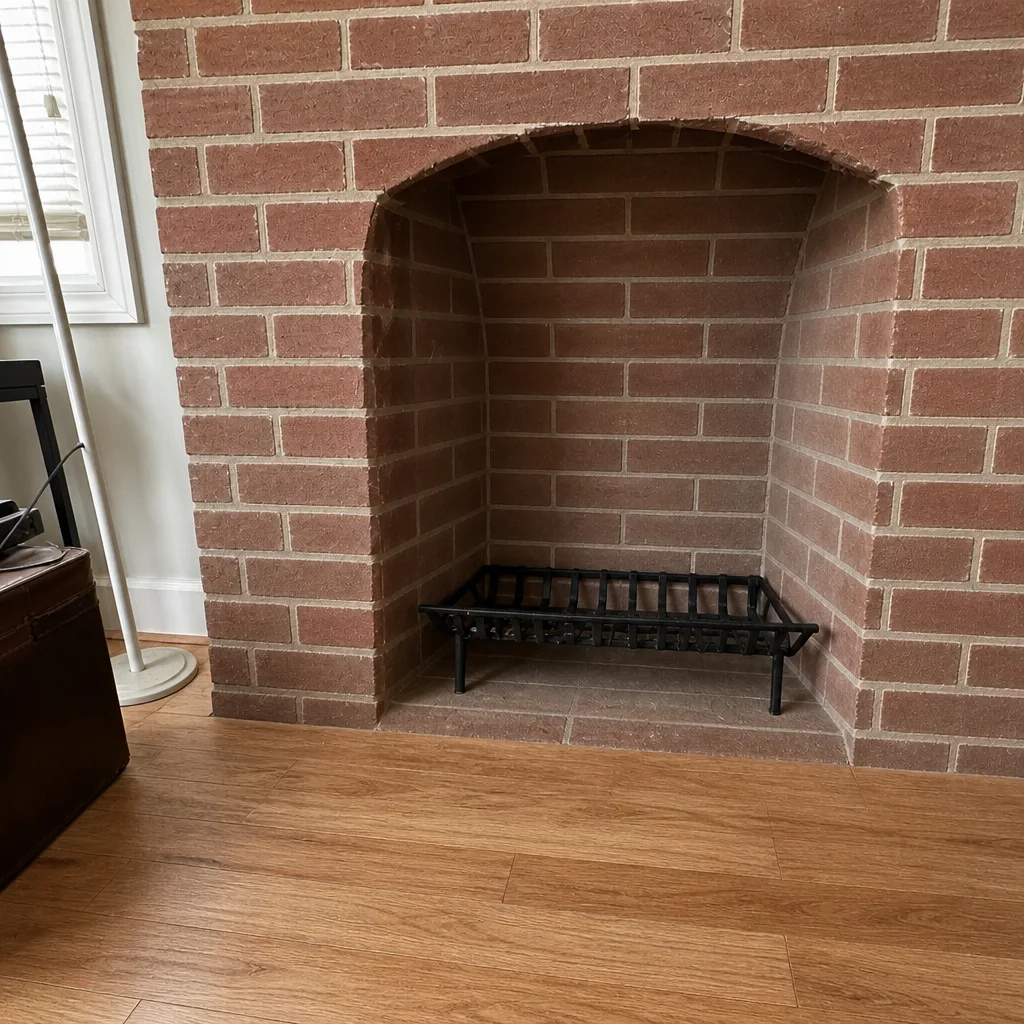
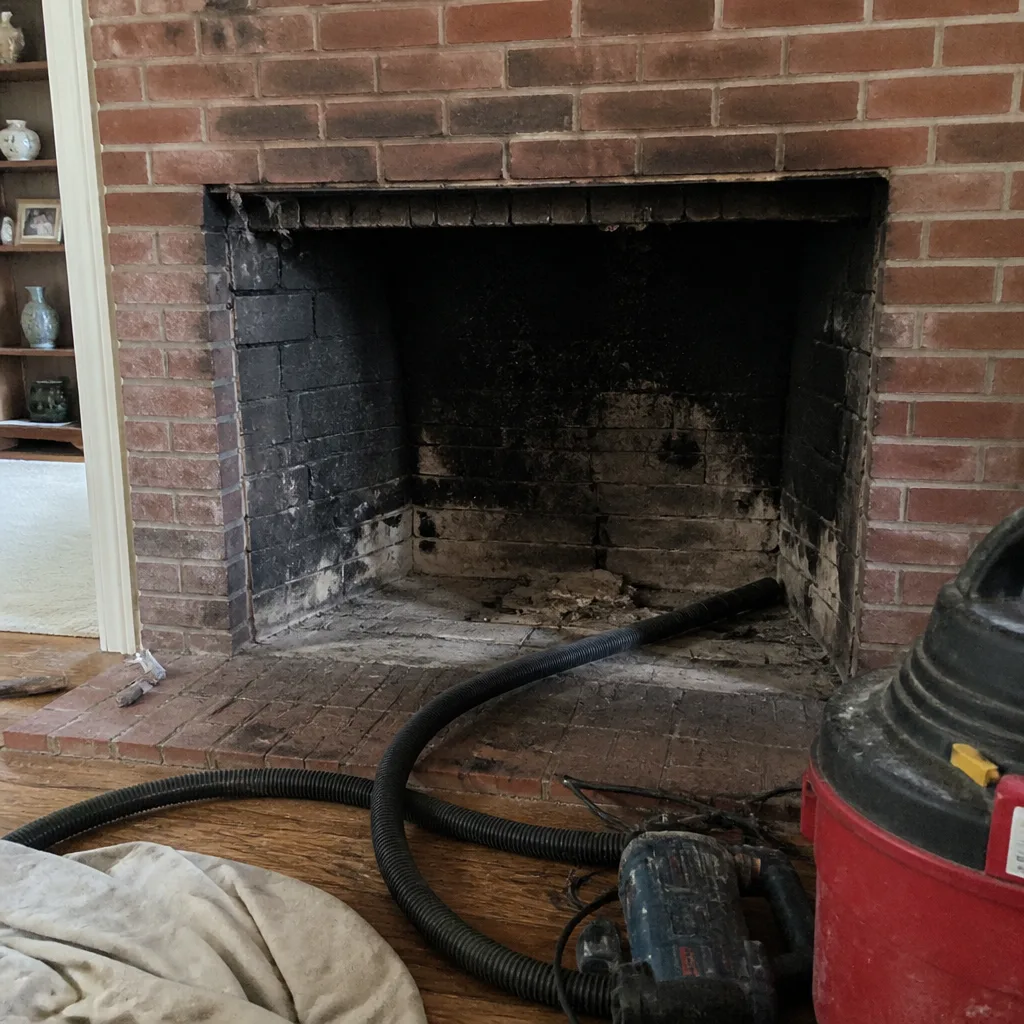
See the difference
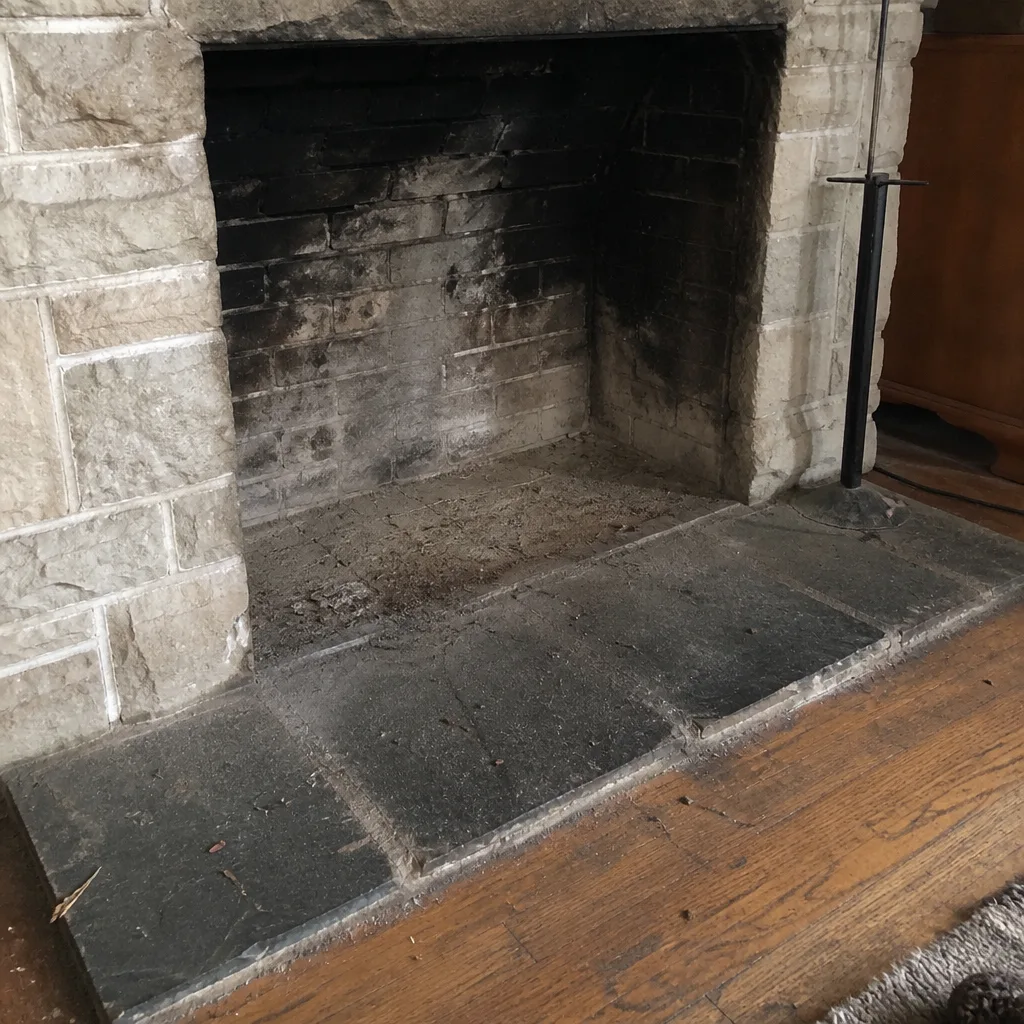 Before
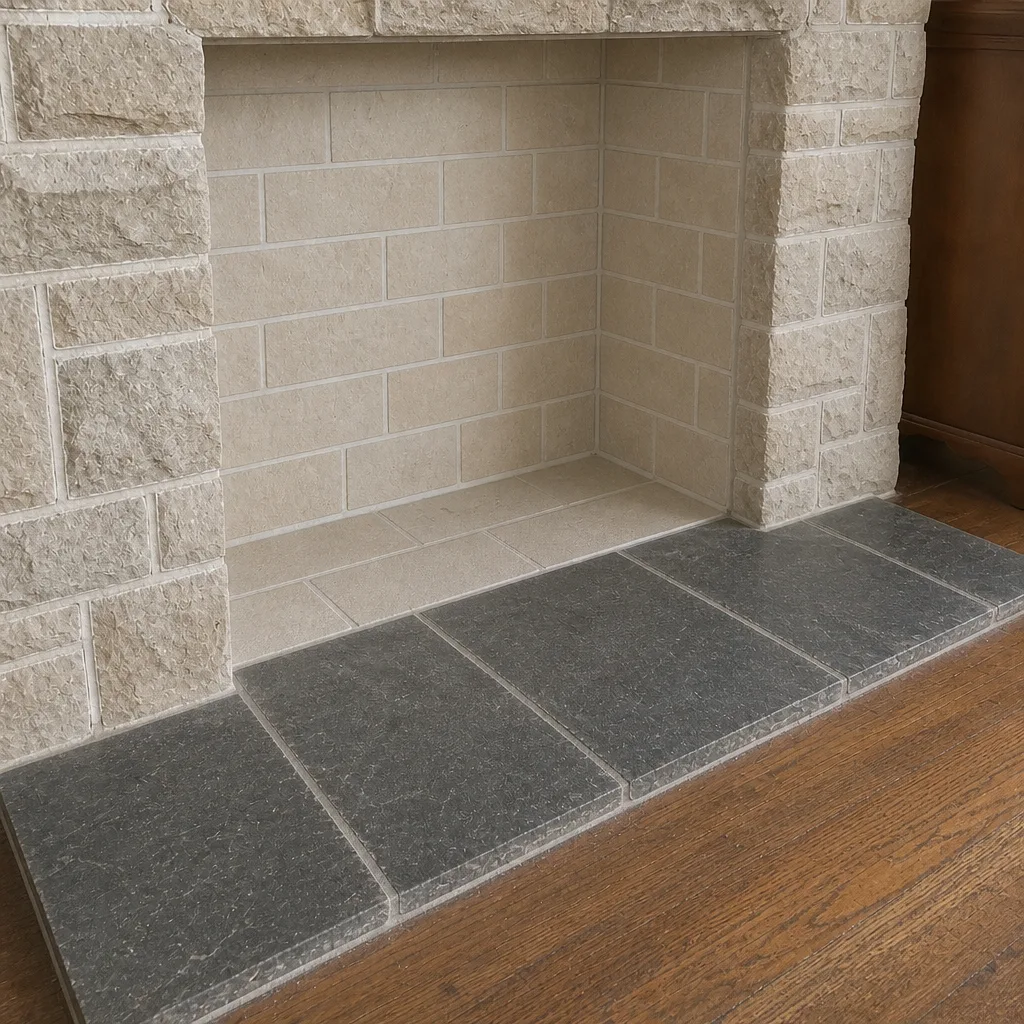 After
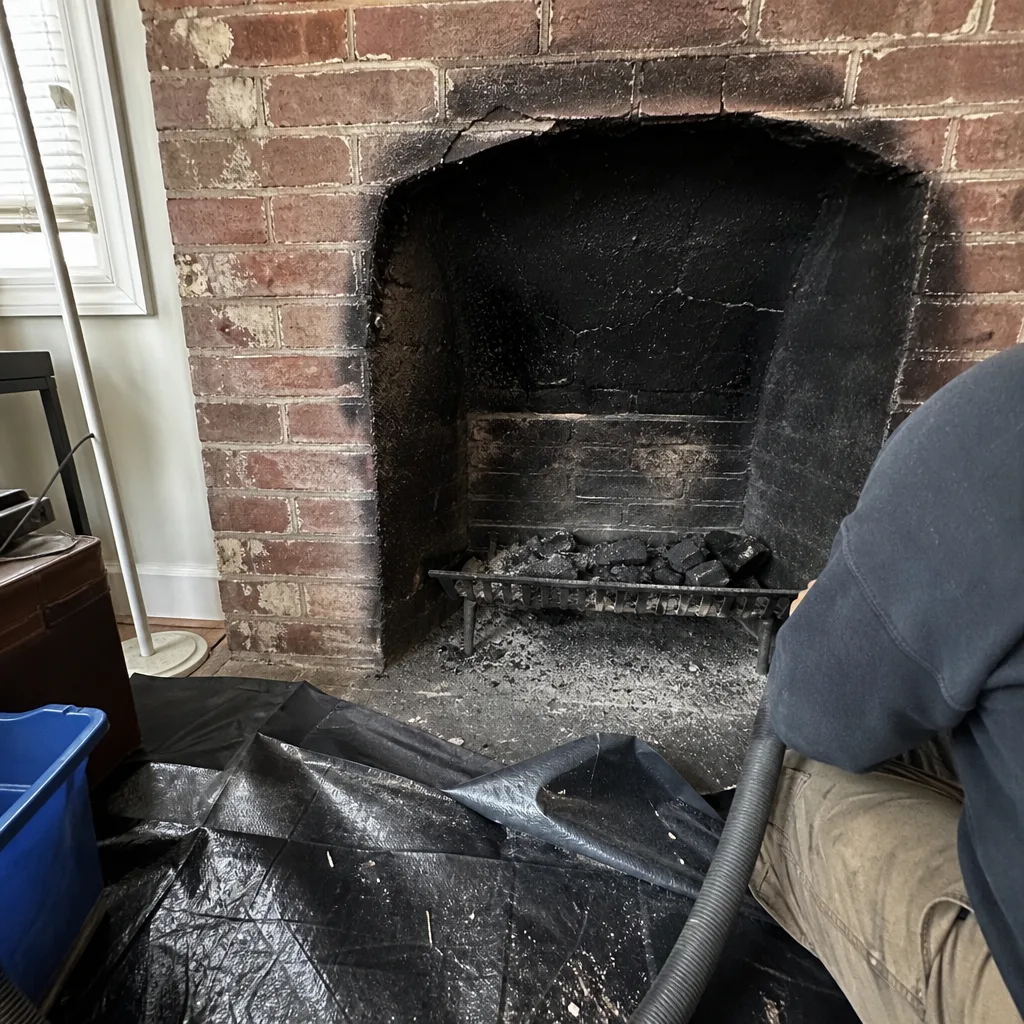 Before
 After
 Before
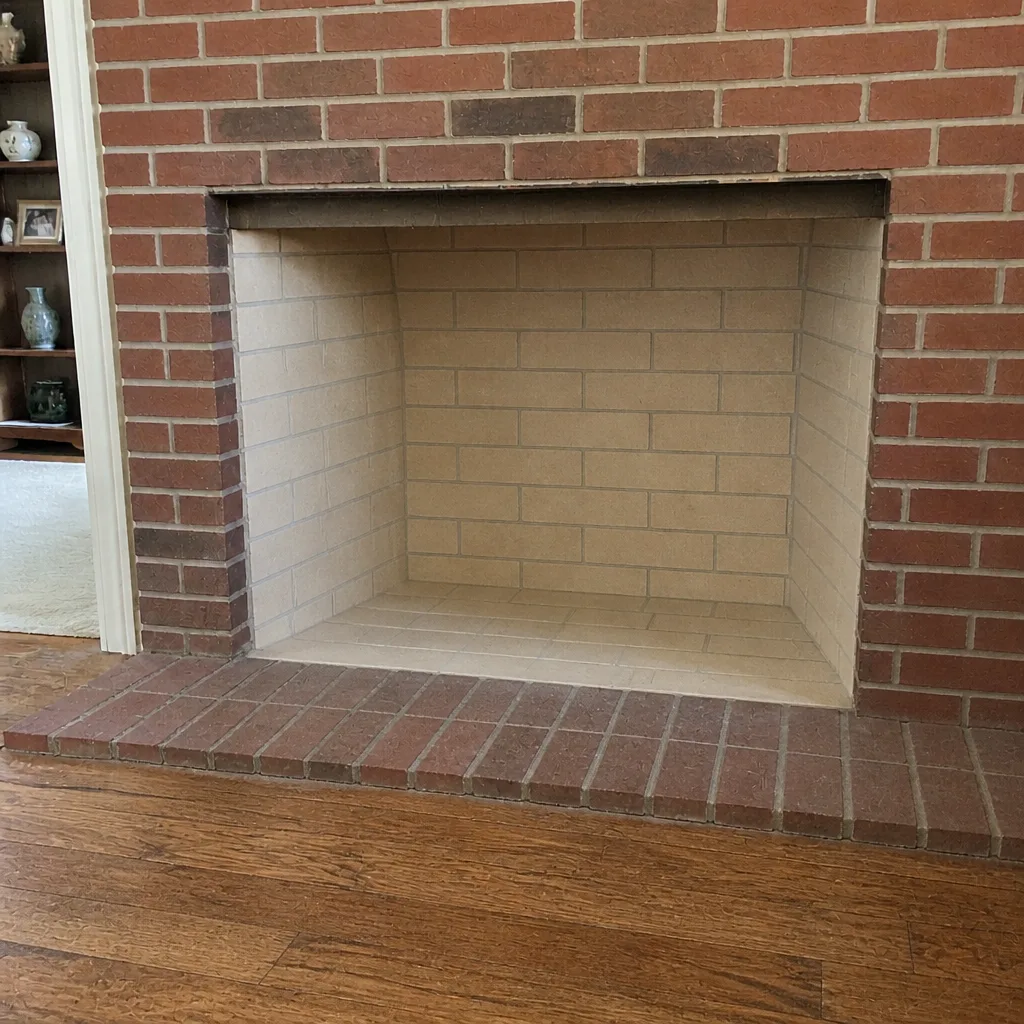 After
When to Call a Professional
Call a professional if you see glazed creosote, smell a tar-like odor in the cold months, hear animal sounds in the flue, notice smoke rolling back into the room, or see crumbling mortar or flaking brick in the firebox. Call if it’s been a year or more since the last sweep, or if you’ve never had the chimney inspected and don’t know its condition. For any Louisville home with a wood-burning fireplace, insert, or stove, an annual inspection is the baseline that keeps the rest of the list short.
Clover Chimney Sweep offers free estimates in Louisville, and we handle the full chimney: sweep, inspect, and repair, all with one company. We name the materials we use, from DuraFlex liners to HeatShield ceramic resurfacing, because what goes into your chimney matters as much as the labor. Call (855) 473-9926. We answer 24/7. Fast dispatch from 7am to 7pm, Sunday through Friday.
Frequently Asked Questions
A typical chimney sweep in Louisville is quoted per job based on the flue’s condition, how much buildup is present, and whether an inspection is included. We give a written estimate before any work begins, so the price you’re quoted is the price you pay. Call (855) 473-9926 for an exact quote; estimates are free.
Not always. A new liner is needed when the existing flue has cracks, gaps, or deterioration that a surface treatment can’t fix, or when a wood-burning appliance was installed without a properly sized flue. In many cases, HeatShield ceramic resurfacing can repair the liner without a full reline. We tell you which your flue actually needs based on what the inspection shows, not on what’s easiest to sell. Call (855) 473-9926 and we’ll walk you through it.
At least once a year for most homes, and more often if you burn frequently or your wood is unseasoned. The annual sweep is the baseline for chimney safety, and it’s also the easiest way to catch a problem before it becomes a repair. Call (855) 473-9926 to schedule yours.
Creosote builds up with every fire, and it’s the fuel that chimney fires burn. Skip enough seasons and glazed creosote forms, which ignites at a lower temperature than wood and can crack the flue tiles or reach the framing around the chimney. Nothing about that is inevitable if the sweep is on schedule, but skipping it is how a manageable problem becomes a dangerous one. Call (855) 473-9926 before your next fire.
No. Backdrafting smoke means the exhaust path is compromised, whether from creosote buildup, a blockage, or a draft issue. Stop using the fireplace and book an inspection. Call (855) 473-9926 and we’ll get someone out to look at it.
Gas fireplaces need inspection too, though the service is different. They don’t produce creosote the way wood does, but they can accumulate dust, debris, and blockages, and their venting needs to be checked. If you’re not sure what your gas fireplace needs, call (855) 473-9926 and we’ll tell you what applies to your system.
The Bottom Line
The warning signs worth knowing aren’t the ones on every list. They’re the smoky smell you’ve been calling “the weather,” the flakes you’ve been calling “old brick,” the scratches you’ve been calling “the house.” Each of them points to a specific, real problem in a Louisville chimney, and each is fixable when it’s caught early. Sweep annually, inspect what you can see, and don’t ignore the signs that seem minor. One call covers the full chimney: sweep, inspect, and repair, with the same team from start to finish. If anything in this guide sounds familiar, call (855) 473-9926 for a free estimate. We answer 24/7. Fast dispatch from 7am to 7pm, Sunday through Friday.
Written by the team at Clover Chimney Sweep.