
Last updated November 15, 2026
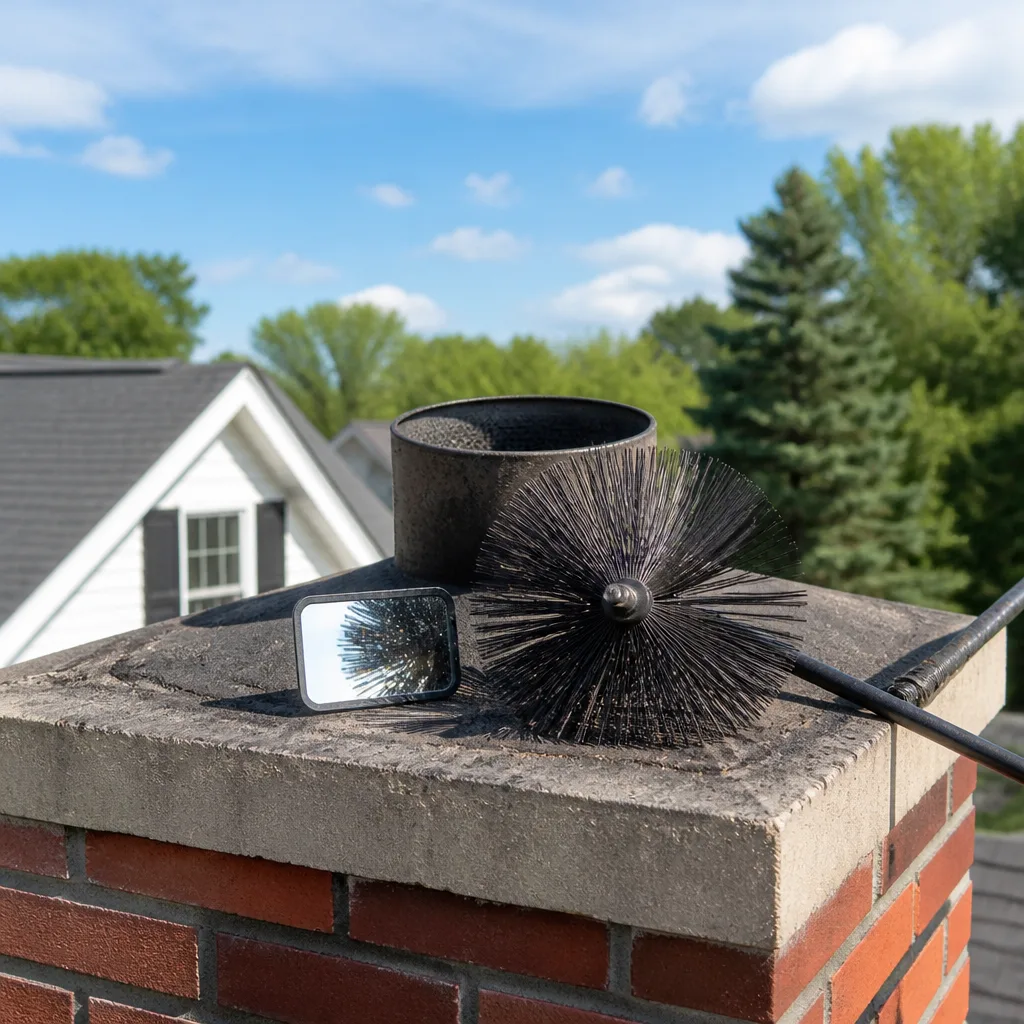 Sweep & inspection
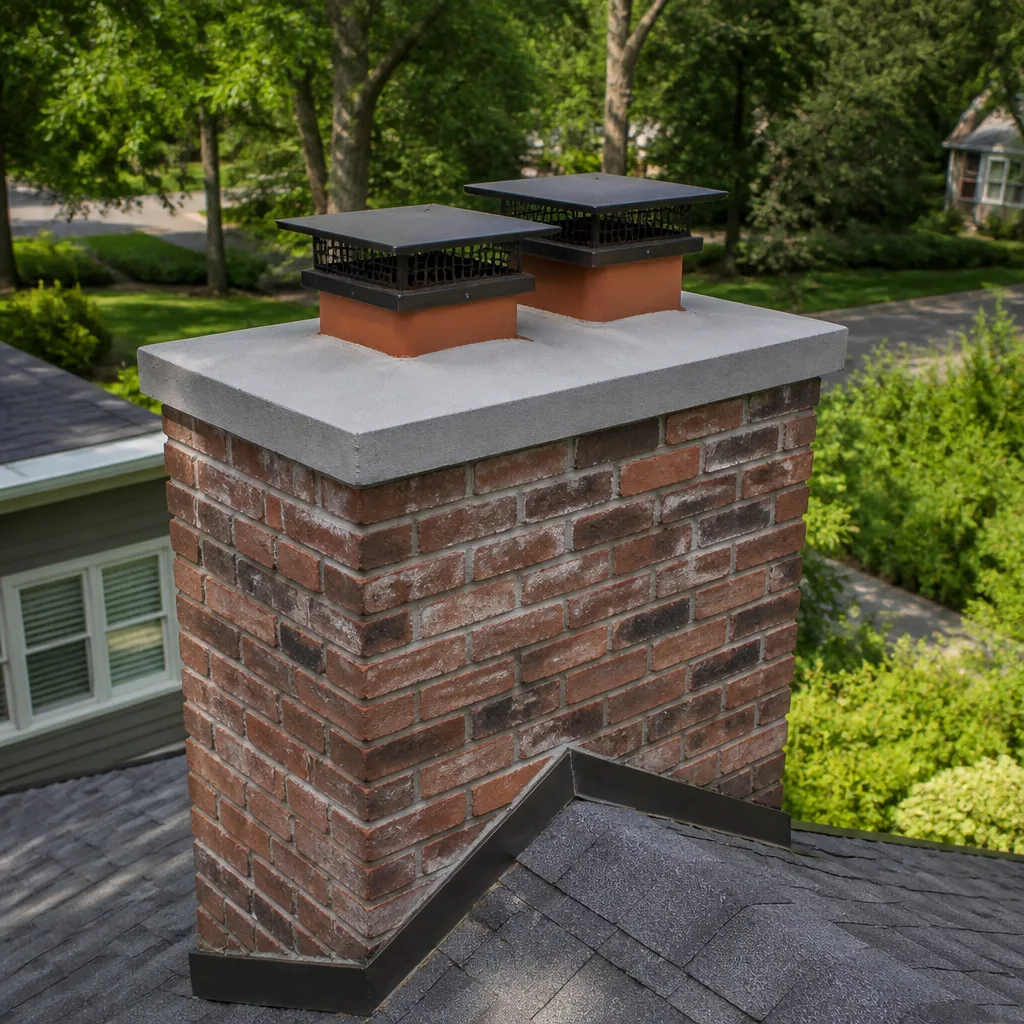 Caps & crowns
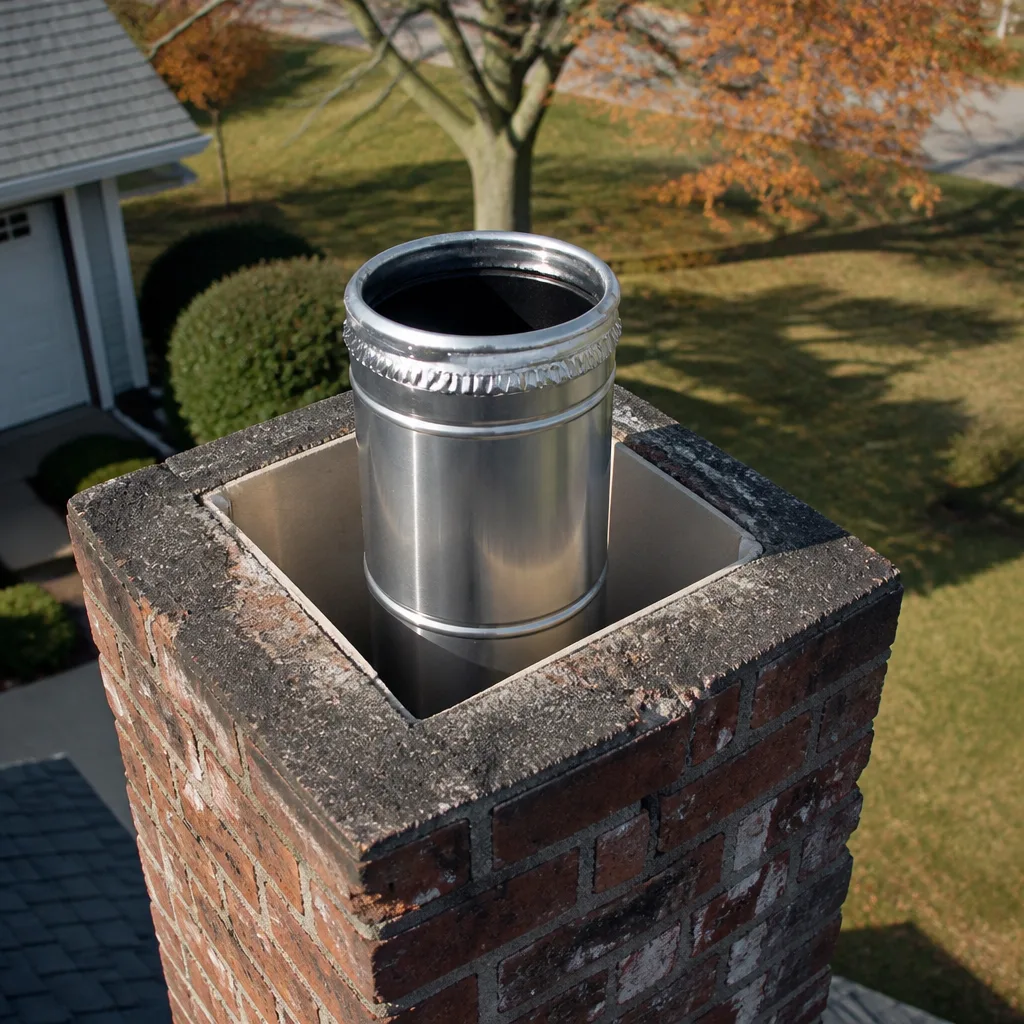 Flue relining
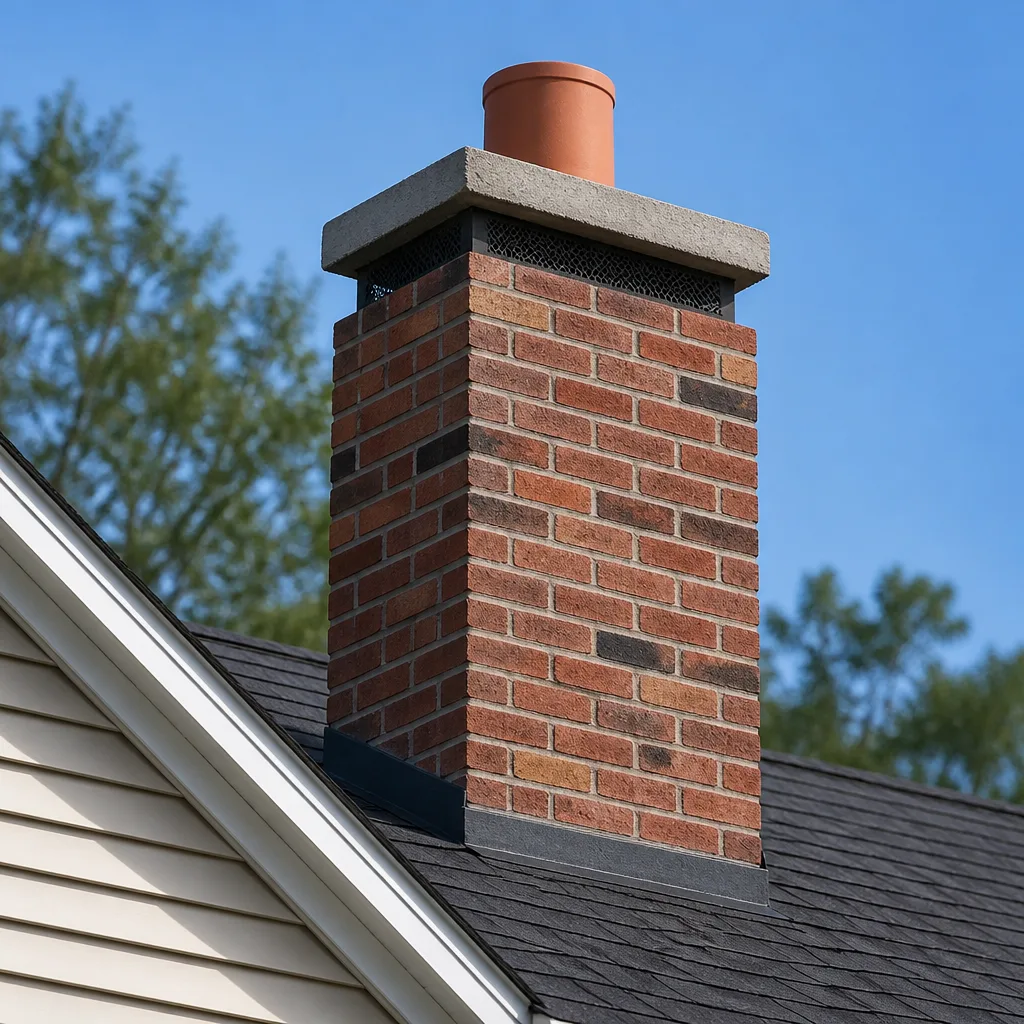 Masonry repair
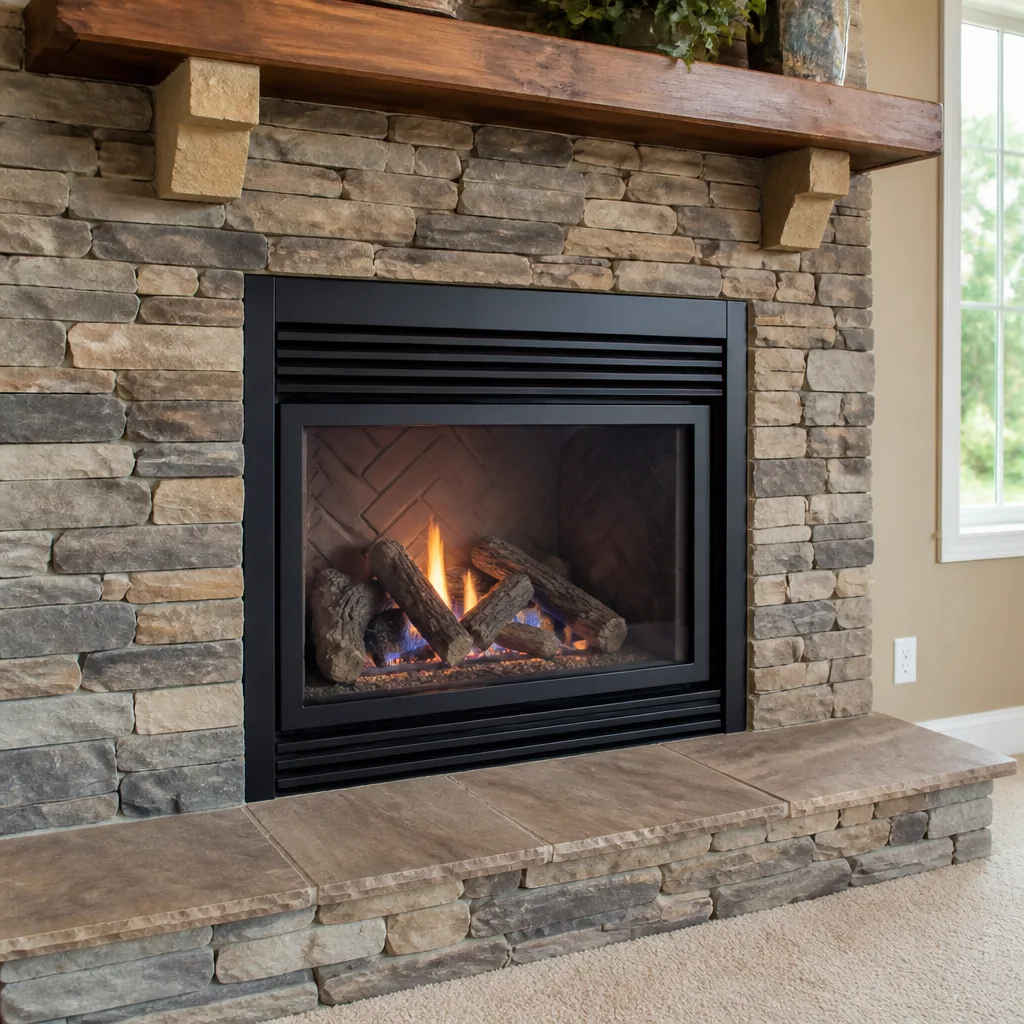 Gas fireplace service
Level 1 sweep and inspection to the NFPA 211 annual standard - flue, crown, cap, and flashing checked and photographed
Chimney sweep logs do not sweep chimneys. They loosen some creosote - which then falls where a brush and vacuum still have to collect it.
DIY vs Professional Chimney Cleaning: The Louisville Homeowner’s Decision Guide
You can buy the same kind of chimney brush a professional uses online for around $40. What you cannot buy is the ability to see inside your flue liner, and that is the entire reason DIY cleaning misses what matters most. The soot is visible. The cracked liner tile, the gap in the mortar joint, the glazed creosote fused to the flue wall – none of that shows up from the firebox with a flashlight. This guide is written for Louisville homeowners who want an honest answer about which cleaning tasks they can safely handle and which ones need a trained eye and a camera.
Quick Answer
DIY chimney cleaning is genuinely safe and effective for a narrow set of tasks: clearing ash and debris from the firebox, checking that the damper opens and closes freely, and inspecting the exterior cap and crown from the ground. It is not a substitute for a professional sweep in most Louisville homes, because the real safety variable is the condition of the flue liner, not how much soot you can see. A camera inspection is what reveals liner cracks, gaps, and creosote glaze that a brush alone will not fix.
Styles & brands we work with
- Sweep & inspection
- Caps & crowns
- Flue relining
- Masonry repair
- Gas fireplace service
Table of Contents
- What DIY Chimney Cleaning Actually Handles Well
- Why the Flue Liner, Not the Soot, Is the Real Safety Question
- The Liability Reality of DIY Cleaning in Louisville
- What Professional-Grade Chimney Equipment Actually Means
- A Decision Framework for Louisville Homeowners
- How Louisville’s Climate and Housing Stock Shape the Answer
- Common Mistakes to Avoid
- When to Call a Professional
What DIY Chimney Cleaning Actually Handles Well
There is a real list of tasks a careful homeowner can do without touching the flue, and it is worth being specific about them because the chimney trade sometimes oversells the danger of the simple stuff. Removing ash and debris from the firebox after the burning season is one. So is confirming that the damper opens, closes, and seats properly, and looking at the exterior cap and crown from the ground with binoculars to check for rust, missing screen, or a cracked crown.
Those tasks matter. Ash left in a firebox holds moisture against the firebox floor and can corrode a steel grate or damage firebrick over time, and a stuck damper is a real safety problem because it affects how smoke drafts. A missing cap screen lets birds and squirrels nest in the flue, which is a common call in Louisville neighborhoods with a lot of mature trees. A visible crack in the crown lets water into the chimney structure.
Here is what the DIY list does not cover:
- Removing creosote from the flue walls themselves
- Evaluating liner condition, joints, and clearances
- Checking for obstructions you cannot see from below
- Inspecting the smoke chamber and damper shelf area
- Confirming that the chimney meets current clearances for the appliance it serves
The gap between “I cleaned my firebox” and “my chimney is safe to burn” is wider than most people realize. That gap is where a professional chimney sweep earns the fee.
Why the Flue Liner, Not the Soot, Is the Real Safety Question
The soot level is the thing homeowners can see, so it becomes the thing they focus on. But the soot level is not the safety variable. The flue liner is. A clay tile liner with a hairline crack in a joint, or a mortar joint that has eroded, allows heat and combustion gases to reach the chimney structure and surrounding framing. The liner is what stands between a hot flue and the wood framing of your house.
You cannot evaluate that from the firebox with a flashlight pointed up. Line conditions that matter are often around a bend, above the smoke shelf, or on the far side of a flue that the light does not reach. Our technicians use a camera for exactly this reason. A camera inspection shows the liner from top to bottom and gives you a photo record of what is actually there.
Two conditions in particular change the answer entirely:
- Glazed creosote. This is creosote that has been heated to the point that it fuses into a hard, glassy layer on the flue wall. A consumer brush does not remove it – it polishes it. Glazed creosote is a fire-fuel condition, and it takes commercial rotary tooling to address it without damaging the liner underneath.
- Liner gaps and spalling. Tile liners on older masonry chimneys in Louisville can crack, and the mortar joints between tiles can erode. Neither is visible from the firebox floor.
This is not a scare tactic. It is the practical reason the sweep matters more than the brush. If you skip the camera, you are cleaning a chimney whose safety you have not actually confirmed.
The Liability Reality of DIY Cleaning in Louisville
If a chimney fire occurs after a documented professional cleaning, the inspection report from that cleaning becomes part of your record. If a chimney fire occurs after a DIY cleaning, you typically do not have a comparable record of what was inspected, what was found, and what was recommended. That difference matters to insurers reviewing a claim.
We should be careful here about making claims we cannot back up. Insurance policies vary, and we cannot tell you what any specific insurer will do. What we can say is that documentation is the thing adjusters ask for, and a professional cleaning with a camera inspection and a written report produces that documentation. A homeowner with a brush and a shop vacuum does not produce that documentation, even if the cleaning itself was done carefully.
There is also the matter of what was found and not acted on. If a professional inspection documented a cracked liner and recommended chimney repair, and the homeowner did not act, that is different from a homeowner who never had the inspection and did not know. Neither situation is one you want to be in. The professional inspection gives you the chance to fix the problem before it becomes a claim.
For homeowners in older Louisville neighborhoods with masonry chimneys and unknown liner history, this is not a theoretical concern. It is the specific reason we recommend a professional inspection the first time you burn in a house you have not had inspected.
What Professional-Grade Chimney Equipment Actually Means
“Professional-grade” is a phrase that gets thrown around. In chimney work it refers to specific tools and materials, and the difference between consumer and commercial equipment is real.
The brush is the most visible example. Consumer chimney brushes are typically polypropylene or wire brushes on a flexible rod set. They are fine for light, loose soot in a straight run. They are not built for the sustained torque needed to remove glazed creosote, and forcing one against a glazed flue can damage the liner. A commercial rotary system uses a motorized whip or chain head with controlled speed and torque, and it removes glaze without gouging the liner when it is used by someone who knows what the liner can take.
The materials are the other half of professional-grade. We name the brands we use, because what goes into your chimney matters as much as the labor. Our repair and installation work draws on a defined set of industry brands:
- DuraFlex – flexible stainless liner systems for relining aging or irregular flues
- HeatShield – ceramic resurfacing for a liner that can be repaired rather than replaced
- Gelco, Olympia Chimney, Famco, and Copperfield – for caps, dampers, and venting components
HeatShield ceramic resurfacing is worth explaining. It is a proprietary process that restores a deteriorating liner from the inside without full replacement, and many general sweep companies cannot offer it. We will tell you which your flue actually needs – resurfacing or full relining with a DuraFlex system – based on what the camera shows. Professional-grade materials, not whatever is on the shelf, is the standard we work to.
A Decision Framework for Louisville Homeowners
The honest answer to “DIY or professional” depends on what you have, and that produces two different recommendations. Here is the framework we use.
Homeowners with newer gas inserts or appliances in known-good condition
If your appliance was installed recently, is a gas insert with a sealed venting system, and has a documented installation and inspection history, your cleaning needs are lower. Gas appliances do not produce creosote the way wood does. Annual service is still worth doing, but the case for a full professional sweep every single year is weaker, and regular visual checks are reasonable. You still need a professional inspection on the record, and you still need to know the liner’s condition.
Homeowners with older masonry chimneys or unknown liner history
If you burn wood – a fireplace, an insert, or a stove – and you have not had a camera inspection, you are in the group where DIY cleaning is genuinely risky. The safety variable is the liner, and you have not seen the liner. Older masonry chimneys in Louisville often have clay tile liners with decade of thermal cycling on them. The only way to know what shape that liner is in is to look. Book a professional sweep with a camera inspection, and let what it finds drive the decision about future DIY.
The middle ground
For most homeowners, the practical answer is a professional sweep and inspection, followed by DIY maintenance between sweeps – clearing ash, checking the damper, watching the cap. That keeps you engaged with the system and keeps the record current.
How Louisville’s Climate and Housing Stock Shape the Answer
Louisville sits in the Ohio Valley, where humid summers and cold winters create a specific set of conditions for fireplaces. Summer humidity works on masonry, and winter temperature swings work on the liner. A homeowners whose fireplace sits unused for long stretches through humid months may find that moisture has settled into the firebox or masonry. That is one reason we recommend a seasonal inspection before the burning season rather than waiting until a problem shows up.
The housing stock matters just as much. Louisville has a deep inventory of older masonry chimneys in established neighborhoods, and a fair number of homes where an insert or stove was added to a chimney that was originally built for an open fireplace. If the liner was never upgraded to match the new appliance, the safe thing to do is have the liner evaluated before you burn. In our experience, this is one of the single most common findings in Louisville homes.
One more local point: wood choice. Kentucky has plenty of hardwood, and any wood with moisture content above the recommended range produces more creosote. If you are burning wood that has not had time to season, you are feeding the glazed creosote problem described earlier. The fix is dry, seasoned wood, and it is the single easiest thing a homeowner can control.
Common Mistakes to Avoid
- Deciding based on what you can see from the firebox. The firebox view shows maybe a fraction of the flue. The safety-relevant liner condition is above it, and the light does not reach that far.
- Assuming a clean chimney is a safe chimney. A visually clean flue with a cracked liner is more dangerous than a sooty flue with an intact one. Cleaning and safety assessment are two different things.
- Burning unseasoned wood and expecting the sweep to fix it. Wet wood is the most common source of heavy creosote in Louisville homes. The sweep can remove it, but the wood source will rebuild it.
- Skipping the inspection because the cleaning went fine. A cleaning without an inspection is a housekeeping task, not a safety check. Ask for the inspection and the photo report.
- Using a consumer brush on glazed creosote. A brush will polish glazed creosote rather than remove it, and forcing the brush can damage the liner. This is a job for commercial rotary tooling.
- Assuming a newer gas insert means the chimney needs no attention. The venting system still needs an inspection on record, and venting condition is part of what we look at.
- Not keeping the documentation. The written report is what matters if there is ever a claim or a question about what was recommended. Keep it with your home records.
When to Call a Professional
Call a professional if any of the following is true: you have a wood-burning fireplace, insert, or stove and you have not had a camera inspection of the liner; you see glaze on the flue walls or heavy soot buildup in the firebox; you smell smoke in the house when the fireplace is in use; the damper sticks or does not seat properly; you have had a bird or animal in the flue; or you have recently added an insert or stove to an older chimney. In each of these cases, the thing that needs to happen is an inspection, and the cleaning is the easy part.
Clover Chimney Sweep offers free estimates in Louisville – call (855) 473-9926. We answer 24/7. Fast dispatch from 7am to 7pm, Sunday through Friday. Our technicians have up to 9 years of experience, and we do all three services – sweep, repair, inspection – under one roof, so you are not calling a second contractor for the liner work.
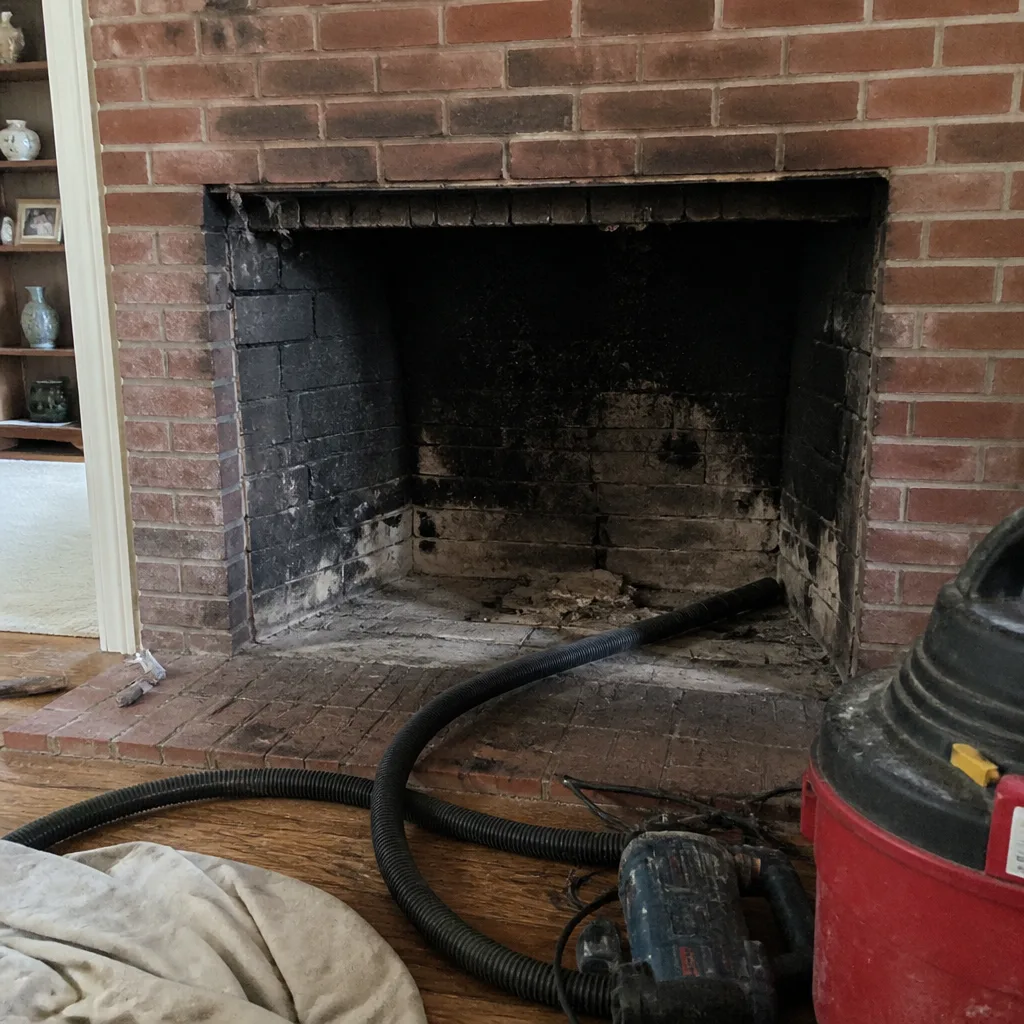
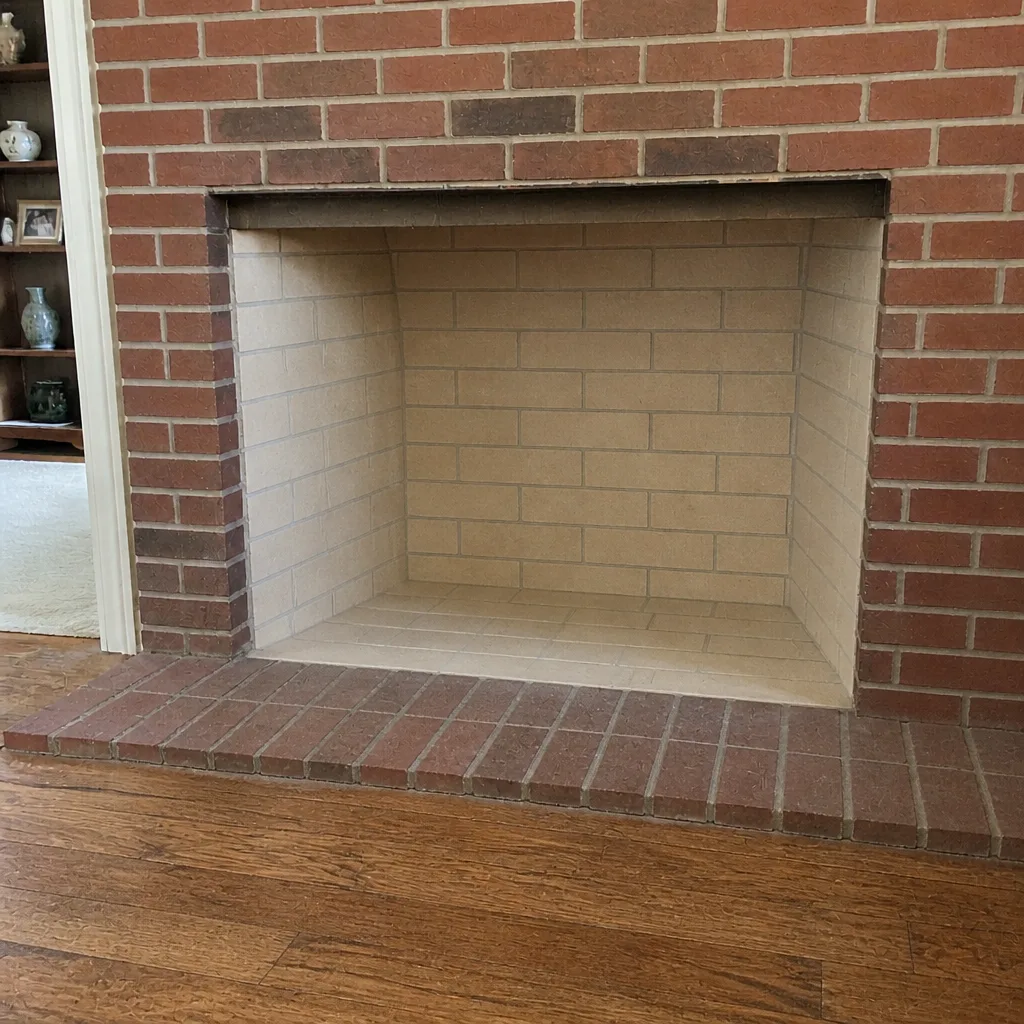
See the difference
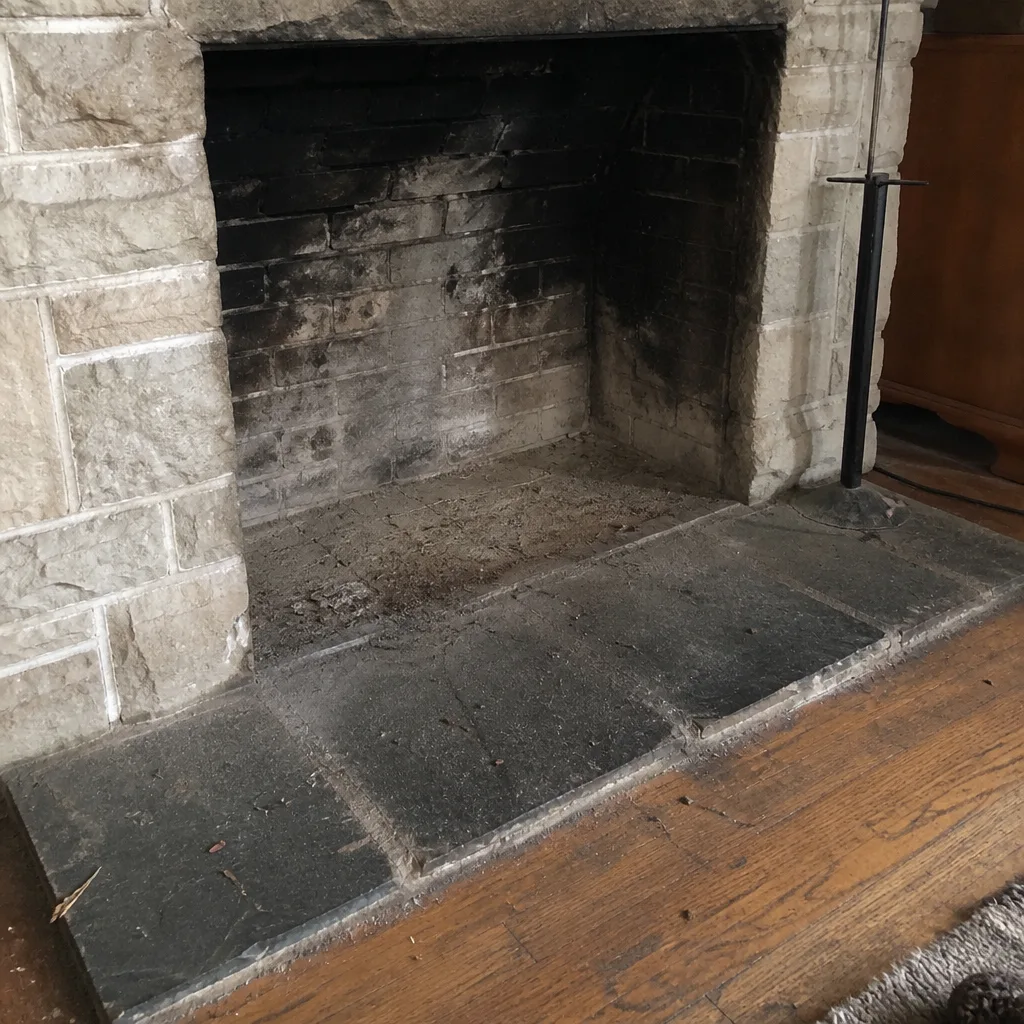 Before
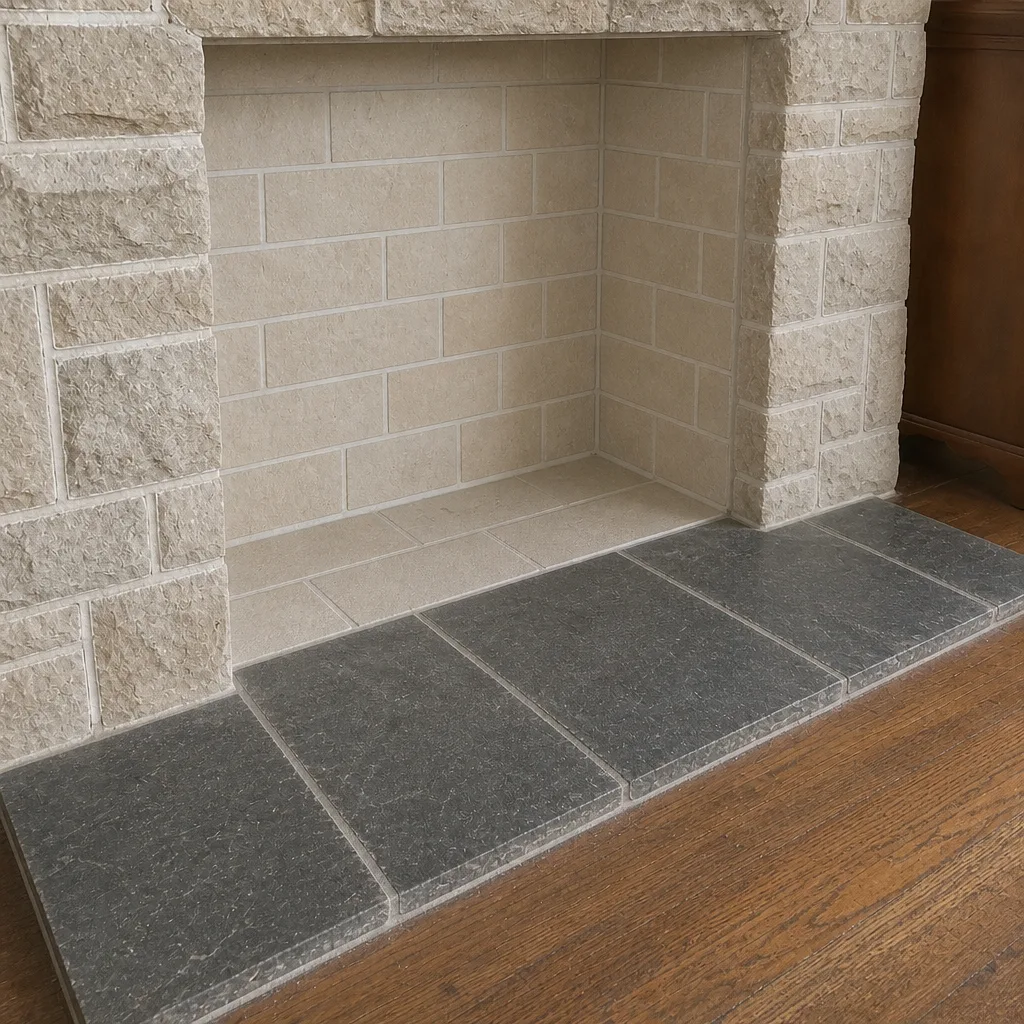 After
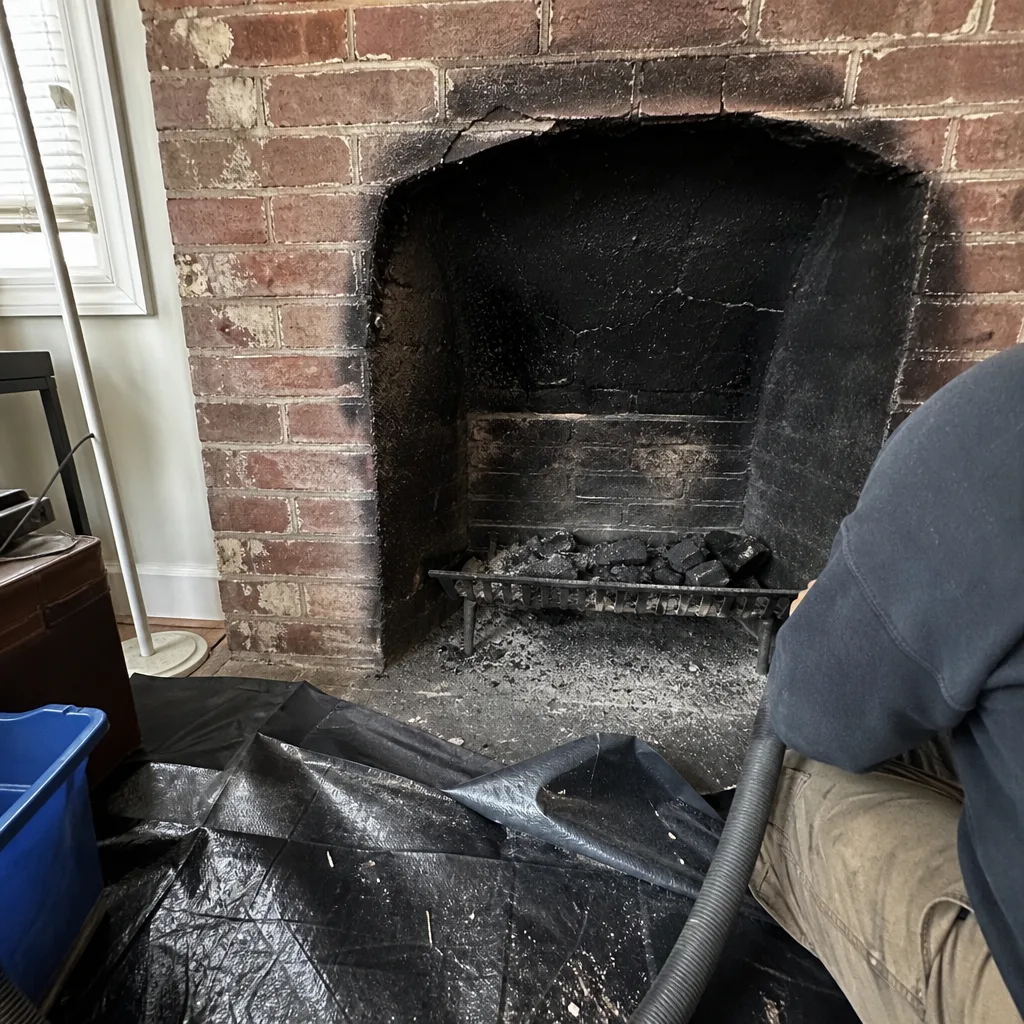 Before
 After
 Before
 After
Frequently Asked Questions
You can safely remove ash and debris from the firebox, check the damper, and inspect the exterior cap and crown from the ground. You cannot safely or thoroughly clean the flue or evaluate liner condition without a camera, and the liner condition is the real safety variable. Call (855) 473-9926 for an inspection if you have not had one.
A standard sweep with an inspection is typically a flat price agreed before the work starts, and the final price is set by the written estimate. The estimate is free. Call (855) 473-9926 for an exact quote.
Most chimneys that need a liner need it because of a specific finding – a crack, a gap, or spalling – that a camera inspection documents. If the liner is sound, you do not need one. HeatShield ceramic resurfacing can often extend the life of a liner that would otherwise be replaced. Call (855) 473-9926 and we will tell you what your flue actually needs.
Once a year is the standard recommendation for a wood-burning appliance, and the inspection matters as much as the sweep. If you burn frequently or burn unseasoned wood, the buildup can be faster. Call (855) 473-9926 to book a sweep before the burning season.
Creosote builds up, and glazed creosote can fuel a chimney fire. A cracked liner can let heat and gases reach the chimney structure. The risk is real, and the inspection is what tells you whether either condition is present. Call (855) 473-9926 for a free estimate.
You need an inspection on the record, though the cleaning needs are lower than for a wood fireplace. Gas appliances do not produce creosote the way wood does, so annual service is still worth doing but the case for a full sweep every year is weaker. Call (855) 473-9926 to schedule an inspection.
The Bottom Line
DIY chimney cleaning is safe and sensible for a narrow list of tasks – ash removal, damper checks, and a cap inspection from the ground. For most Louisville homeowners burning wood, it is not a substitute for a professional sweep, because the safety variable is the liner, and the liner is invisible without a camera. The decision comes down to what you have: a newer gas appliance with a known inspection history justifies a lighter maintenance routine, while an older masonry chimney or an unknown liner needs a professional inspection before you burn. If you want the honest answer for your specific chimney, Clover Chimney Sweep will tell you what the camera shows. One call covers the full chimney: sweep, inspect, repair.
Call (855) 473-9926 for a free estimate. We answer 24/7. Fast dispatch from 7am to 7pm, Sunday through Friday.
Written by the team at Clover Chimney Sweep.