
Last updated November 15, 2026
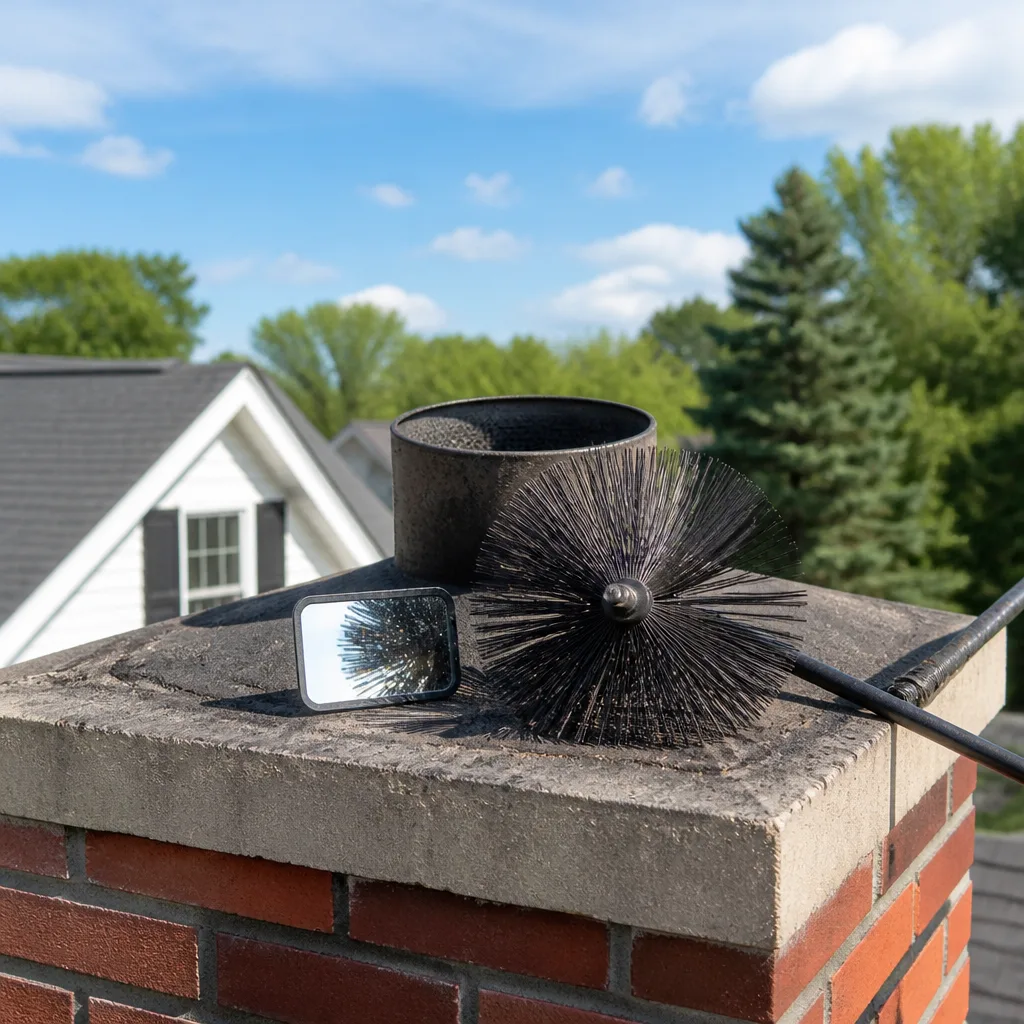 Sweep & inspection
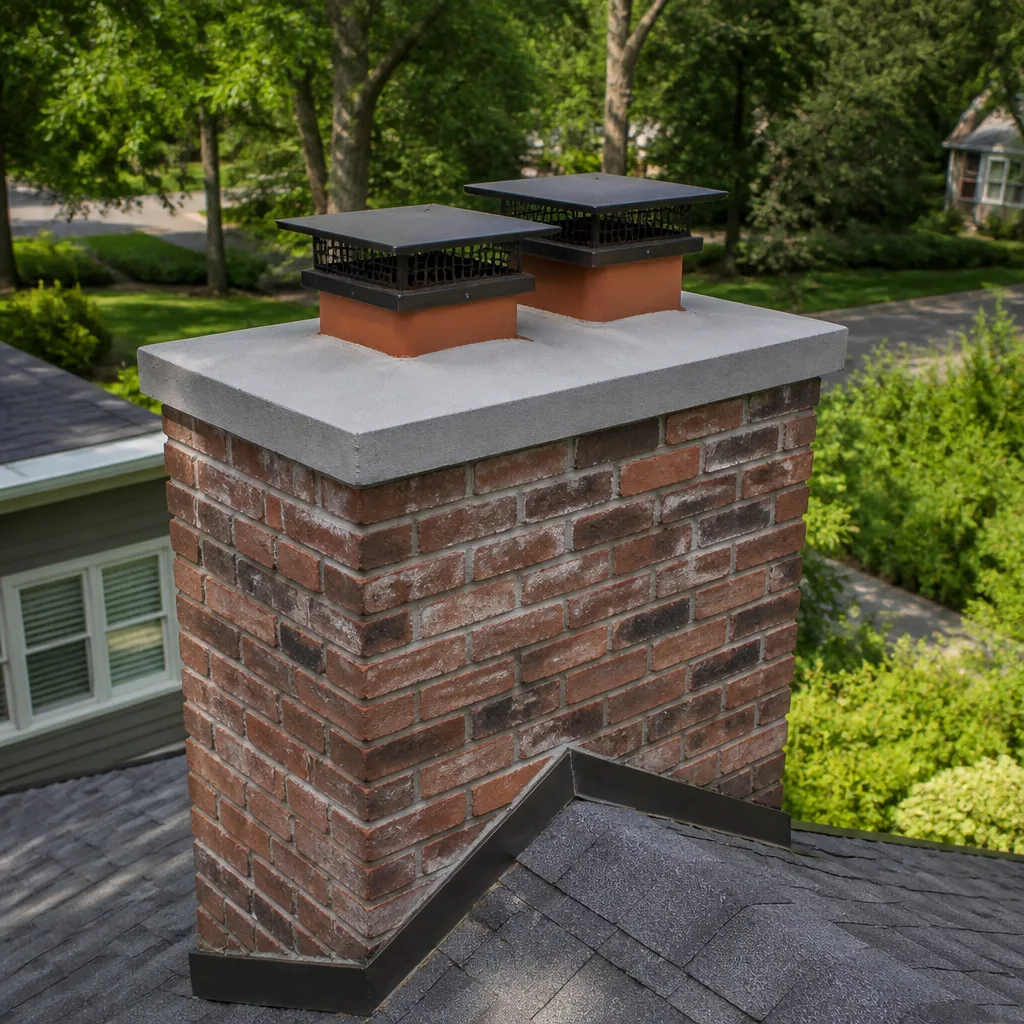 Caps & crowns
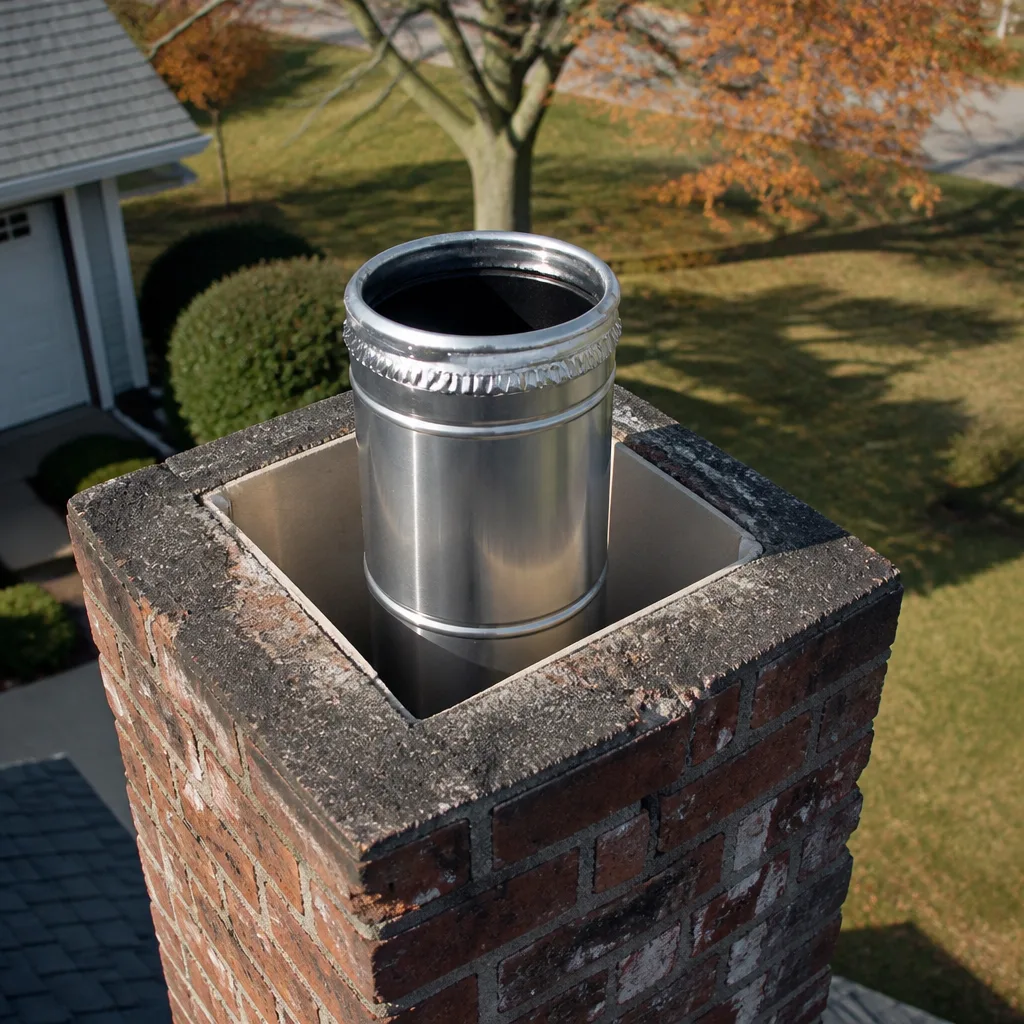 Flue relining
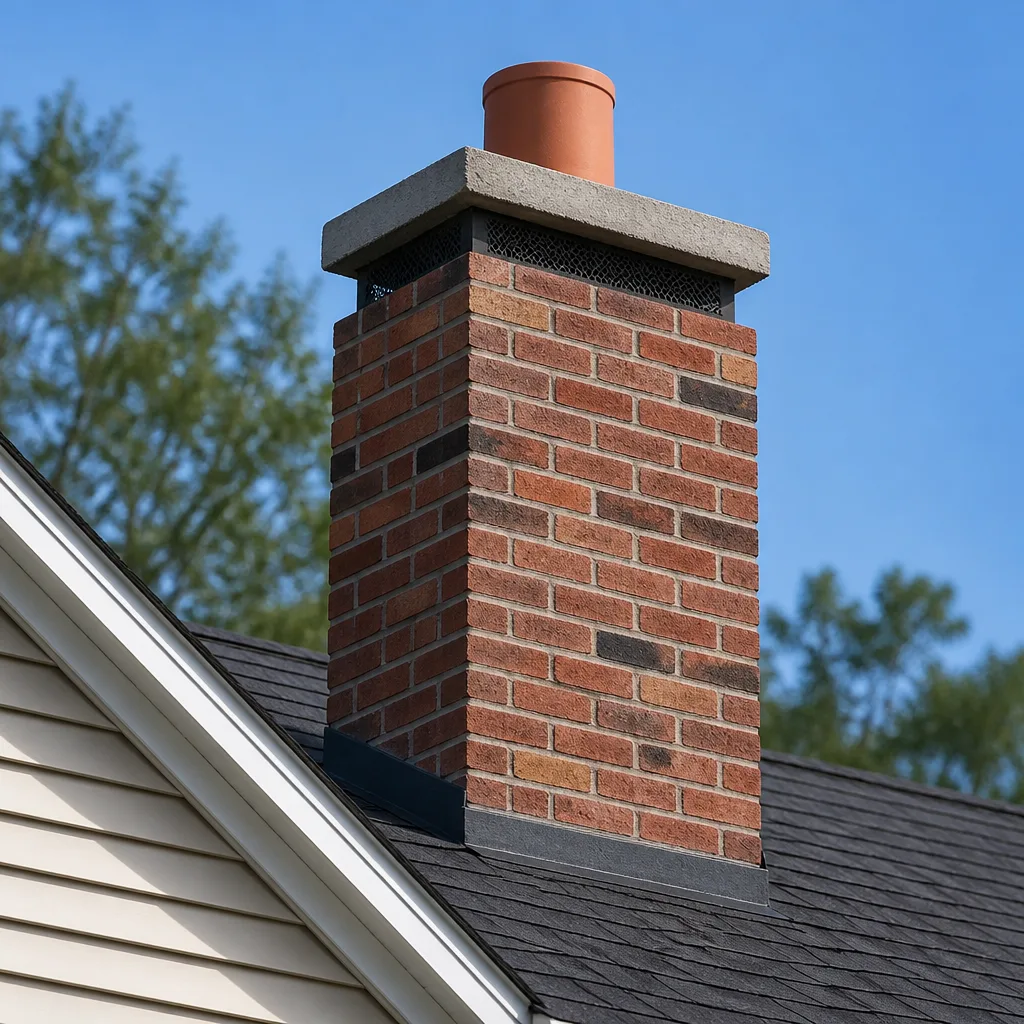 Masonry repair
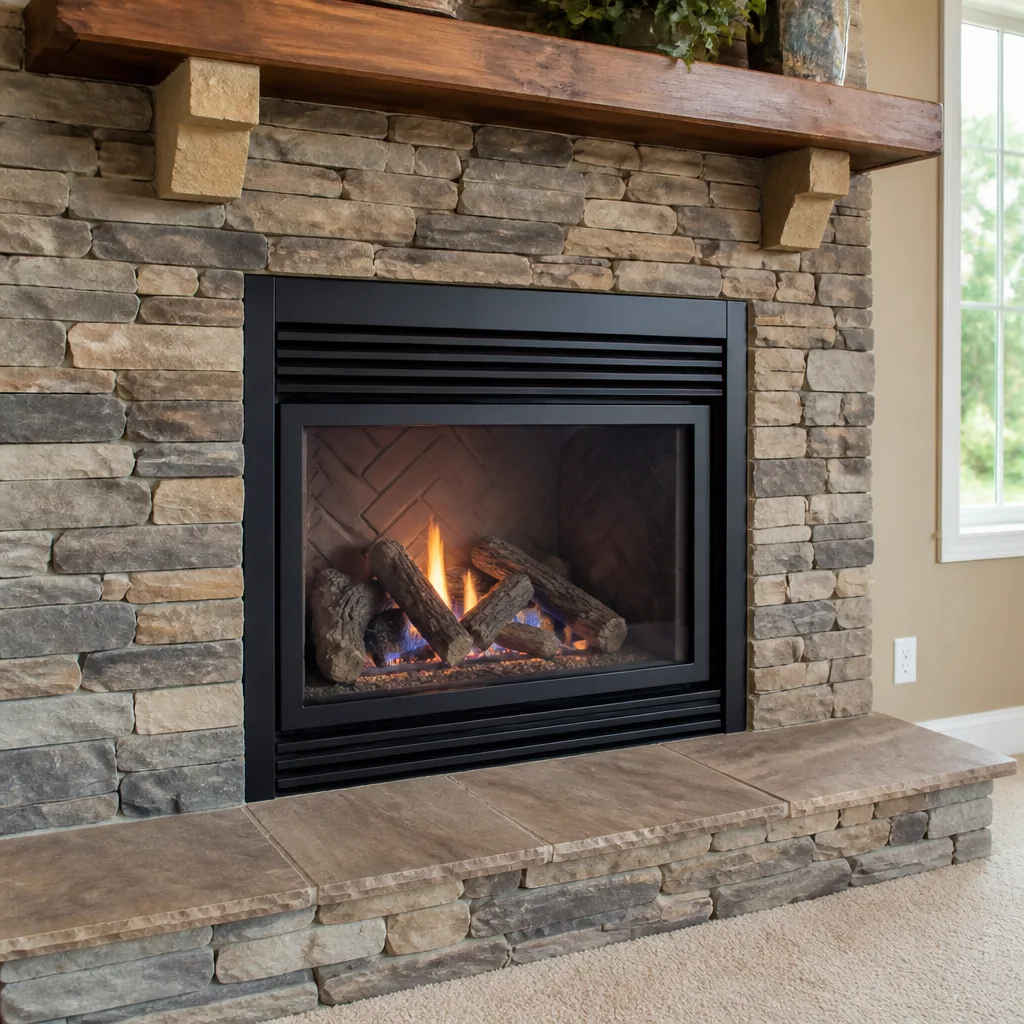 Gas fireplace service
Level 1 sweep and inspection to the NFPA 211 annual standard - flue, crown, cap, and flashing checked and photographed
Chimney sweep logs do not sweep chimneys. They loosen some creosote - which then falls where a brush and vacuum still have to collect it.
Choosing the Right Chimney Cleaning Brand: A Buyer’s Guide for Louisville
If your chimney contractor can’t tell you the difference between a DuraFlex stainless liner system and a HeatShield resurfacing job, they’re not choosing the right solution for your chimney. They’re choosing whatever they have in the truck. That’s the uncomfortable truth about this trade: the materials buried inside your flue matter as much as the labor that installs them, and most homeowners never think to ask. A sweep can be thorough and still leave you with a store-brand cap that rusts through in a few Louisville winters. This guide walks you through the product categories where brand selection genuinely changes outcomes – flexible liners, rigid liner, resurfacing compounds, caps, and sealants – and gives you the exact questions to ask a Louisville contractor so you can tell a specialist from a generalist.
Quick Answer
The “right” chimney brand depends on the job: flexible stainless liner systems like DuraFlex for relining aging or irregular flues, HeatShield ceramic resurfacing when the flue is still structurally sound and only the inner surface has broken down, and professional-line caps, dampers, and sealants from makers like Olympia Chimney, Famco, or Gelco for everything on the exterior. A contractor who works across several recognized professional brands can match the product to your chimney; one who names none is working from whatever the supply house had on the shelf.
Styles & brands we work with
- Sweep & inspection
- Caps & crowns
- Flue relining
- Masonry repair
- Gas fireplace service
Table of Contents
- Where Brand Choice Actually Matters
- DuraFlex and Flexible Liner Systems: Why Gauge Matters
- HeatShield vs. Full Liner Replacement
- Chimney Caps in Louisville Weather
- Waterproofing Sealants and What They Protect
- How to Ask a Louisville Contractor About Product Sourcing
- Common Mistakes to Avoid
- Frequently Asked Questions
Where Brand Choice Actually Matters
Not every product in a chimney job deserves brand-level scrutiny. The sweeping brush, the drop cloth, the vacuum – those are tools, and a good technician uses good ones without much ceremony. But five product categories sit inside or on top of your chimney and determine how it performs for years. Those are the ones where the label matters.
The five categories are:
- Flexible liner systems – the stainless steel tube that carries smoke and gases up the flue when the original clay tile has cracked or degraded.
- Rigid liner – sectional stainless pipe used where the flue is straight and the run allows it.
- Resurfacing compounds – ceramic or refractory materials applied to the inside of a flue that’s still sound but has lost its smooth inner face.
- Chimney caps – the lid and spark screen on top, which take the full brunt of weather.
- Waterproofing sealants – the breathable coating that keeps masonry from soaking up rain without trapping moisture inside.
A chimney specialist works across recognized professional brands in each of these categories. Clover Chimney Sweep stocks and installs products from six industry names – DuraFlex, HeatShield, Gelco, Olympia Chimney, Famco, and Copperfield – which means the solution gets matched to the flue rather than to inventory. That’s the whole point. When we name the brands we use, it’s because what goes into your chimney matters as much as the labor, and you deserve to know both before the work starts.
DuraFlex and Flexible Liner Systems: Why Gauge Matters
A flexible stainless liner is the standard fix for a flue whose clay tiles have cracked, spalled, or shifted, and DuraFlex is one of the professional lines built for that job. The short answer on why brand matters here: the steel gauge and alloy determine how the liner survives the repeated heating and cooling that every wood fire produces. A thinner liner flexes more easily on install but has less material to absorb thermal expansion over time. A heavier one holds its shape through the cycling.
That “cycling” is the phrase worth understanding. Every fire heats the liner, and every cooldown contracts it. In Louisville, where a wood-burning insert might run hard through a cold snap and then sit idle for a mild stretch, the liner goes through a lot of expansion and contraction in a single season. Wall thickness, alloy grade, and the quality of the seam all bear on how that plays out over many seasons.
Here’s what we look at when matching a flexible liner to a chimney:
- Flue condition – cracked tile, offset joints, and mortar gaps all affect which liner profile will pass cleanly and seal properly.
- Flue shape and run – an irregular or offset flue demands a flexible system; a straight run can sometimes take rigid sections instead.
- Appliance type – a wood stove, an insert, and an open fireplace each put different demands on the liner.
- Insulation – wrapping the liner affects draft and safety, and not every system is set up the same way for it.
- Termination and cap – the top of the liner has to mate with the cap and crown; mismatched components are where leaks start.
DuraFlex flexible liner installation is a job that calls for brand-specific training and tooling, not a generalist’s skillset. When it’s time to reline, that’s chimney repair in the structural sense, and it should be done by someone who does it routinely.
HeatShield vs. Full Liner Replacement
HeatShield is a ceramic resurfacing system, and the direct answer to the question most homeowners ask is this: resurfacing is the right call when the flue is still structurally sound and only the inner surface has broken down. If the clay tiles themselves are cracked, shifted, or missing, resurfacing is not a substitute for a liner – and we’ll tell you so.
The distinction matters because resurfacing is far less invasive than a full reline. It extends the life of a chimney without pulling the whole thing apart, which is why it’s a genuinely useful option rather than an upsell. But it only works on a flue that earns it. The conditions that point toward HeatShield resurfacing are specific:
- The original clay tile is intact, with no cracks, spalling, or missing sections.
- The flue has lost its smooth inner face – the glaze is gone and the surface is rough or pitted, which lets creosote cling and reduces draft quality.
- Joints are tight. Resurfacing won’t bridge a gap that’s already opened up.
- The flue is otherwise the right size for the appliance it serves.
When those conditions hold, resurfacing restores a smooth, sealed inner surface and gives the chimney more useful life before a liner is ever needed. When they don’t – cracked tile, structural failure, or an undersized flue – a full reline with a flexible or rigid liner is the honest answer, and the resurfacing conversation ends there.
HeatShield ceramic resurfacing is a proprietary process many sweep companies can’t offer at all, because it requires specific training and materials. We won’t tell you which your flue needs until we’ve seen it. HeatShield resurfacing vs. full relining is a decision that should be made from what’s actually inside your chimney, not from what a contractor happens to carry.
Chimney Caps in Louisville Weather
A chimney cap is the single exterior component that takes the most punishment, and it’s also the one homeowners most often replace with a store-brand part. A cast aluminum or stainless steel cap from a professional line is built to hold up through many Louisville winters – the freeze-thaw cycles, the wind, the rain-driven weather off the Ohio River valley – not just a season or two. A galvanized box-store cap is a different animal, and it shows within a few years.
The failure mode is predictable. Galvanized steel is coated, and once that coating is scratched or worn through, rust starts at the edges and seams and works inward. On top of a chimney, exposed to weather from every direction, that process runs fast. A cap that looked fine when it went on can be shedding rust and losing its screen within a handful of years.
What a professional-line cap gives you instead:
- Cast aluminum or stainless construction – the material itself resists corrosion, rather than relying on a coating to do it.
- A real spark screen – sturdy mesh that stays intact and does its job, rather than a flimsy screen that tears or corrodes away.
- A proper fit – a cap sized and mounted to your actual flue, so it sheds water away from the crown and mortar instead of funneling it in.
- Correct venting – a cap that lets the flue breathe while keeping rain, animals, and debris out.
Professional brands like Olympia Chimney, Famco, and Copperfield cover caps, dampers, and venting components, and working with them means the right part is on the job rather than sourced on delay. In our experience, a cap is one of the least expensive parts of chimney care and one of the most consequential, which is exactly why it shouldn’t be an afterthought.
Waterproofing Sealants and What They Protect
Water does more slow damage to a Louisville chimney than fire does. Masonry is porous, and through repeated freeze-thaw cycles – which this region gets plenty of – moisture that soaks into brick and mortar expands when it freezes and pushes the material apart. A good breathable waterproofing sealant is how you interrupt that cycle, and the brand and formulation matter because the wrong product traps moisture inside instead of keeping it out.
The key word is breathable. A sealant for chimney masonry has to let vapor escape from inside while blocking liquid water from outside. A heavy, non-breathable coating can look like protection while actually sealing moisture in, which is worse than leaving the masonry bare. Professional sealant lines are formulated for this balance, and that’s why we reach for them rather than a generic masonry sealer.
What waterproofing protects, in plain terms:
- The brick and mortar – slowing the spalling and cracking that freeze-thaw drives.
- The crown – the concrete cap on top, whose cracks are a common entry point for water.
- The flue system – a dry chimney performs better and is less prone to the interior damage that trapped moisture causes.
Sealants from professional lines like Gelco are part of the same approach as the liner and cap decisions: match the material to the conditions, and use something built to last through this climate rather than the cheapest bucket on the shelf. When a chimney needs structural repair work, waterproofing is often the step that protects the fix afterward.
How to Ask a Louisville Contractor About Product Sourcing
You don’t need to become a chimney expert to tell a specialist from a generalist. You need one good question, asked early, and a sense of what a knowledgeable answer sounds like. The question: “What brands of liner and cap do you work with, and why those?” The answer tells you almost everything.
A contractor who works across recognized professional brands will name them without hesitation and explain the reasoning – this flue takes a flexible liner because of the offset, that one could be resurfaced because the tile is sound. A vague answer (“we use good quality materials,” “whatever the job needs”) signals someone who doesn’t have a product line and is working from what’s available on the day.
Here’s how to run the conversation, in order:
- Ask the sourcing question first. Before any inspection, ask which brands they work with. Listen for names, not adjectives.
- Ask why. A specialist explains the match between product and flue condition. A generalist deflects.
- Ask what they’d recommend and why. The answer should follow from what they find, not from what they stock.
- Ask them to show you. A camera inspection with photos you can see turns “you need a liner” into evidence you can evaluate.
- Ask what can wait. An honest contractor will tell you when work can safely be deferred. If everything is urgent, that’s information too.
One call covers the full chimney: sweep, inspect, repair. When you work with a company that does all three under one roof, the product conversation stays in one place. Clover Chimney Sweep is a full-service chimney specialist, and that’s the setup that lets us match the material to the job rather than handing you off.
Common Mistakes to Avoid
- Choosing on price alone. A lower quote usually means a lower-grade product, and the part you can’t see is the one that matters most. Ask what brand goes in before you compare numbers.
- Accepting a cap from the hardware store as “included.” A galvanized box-store cap can start rusting within a few Louisville winters. A cast aluminum or stainless cap from a professional line is the right call for this climate.
- Letting a generalist do liner work. Flexible liner installation needs brand-specific training and tooling. A handyman who “can do it” is a risk to your flue and your safety.
- Getting a resurfacing when the tile is already cracked. HeatShield is the right answer only when the flue is structurally sound. If a contractor offers it without showing you the condition, ask to see the evidence.
- Skipping the camera inspection. Nothing should be recommended without camera evidence you can see for yourself. If a quote arrives with no inspection and no photos, slow down.
- Replacing a cap without checking the crown and sealant. The cap, crown, and waterproofing work together. Fixing one and leaving the others lets water find the next weak point.
- Assuming a sweep is the same as an inspection. A sweep cleans; an inspection assesses condition and safety. A full-service specialist does both and tells you what the cleaning revealed.
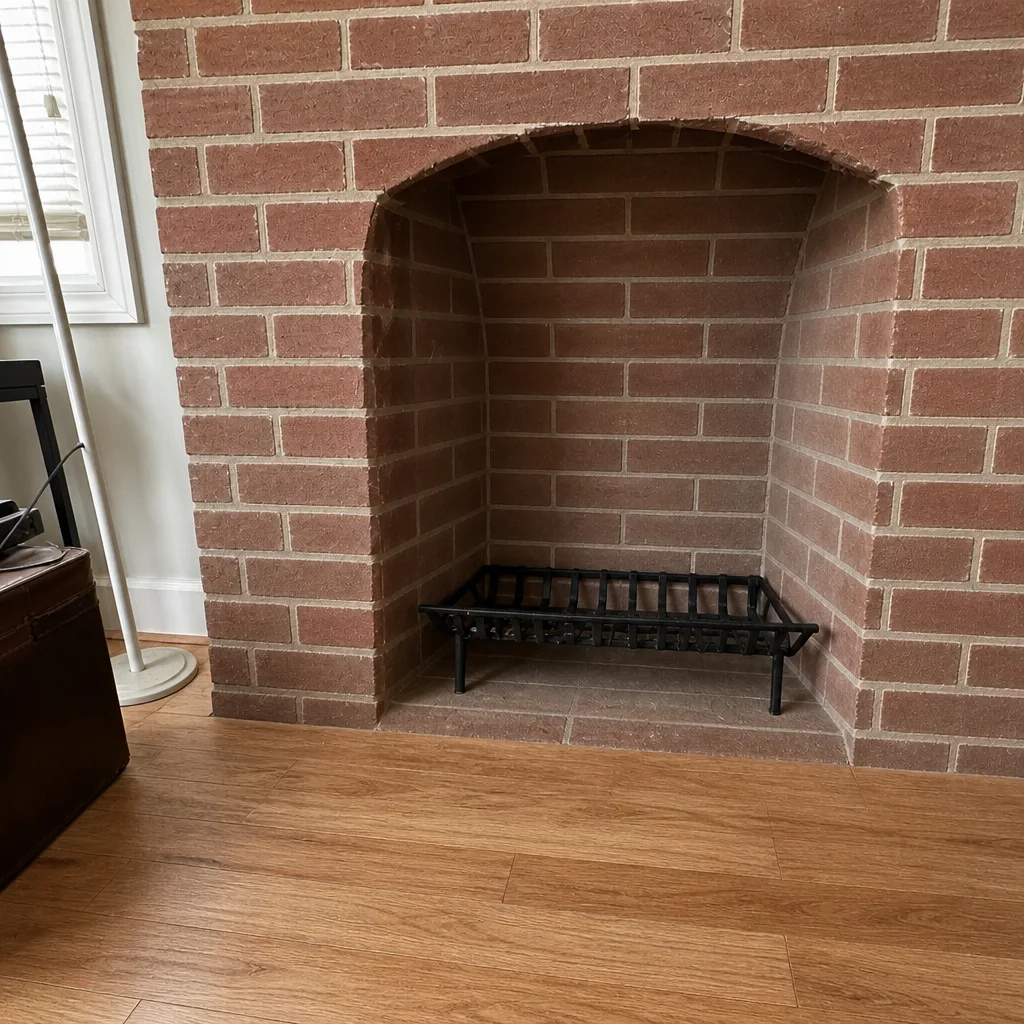
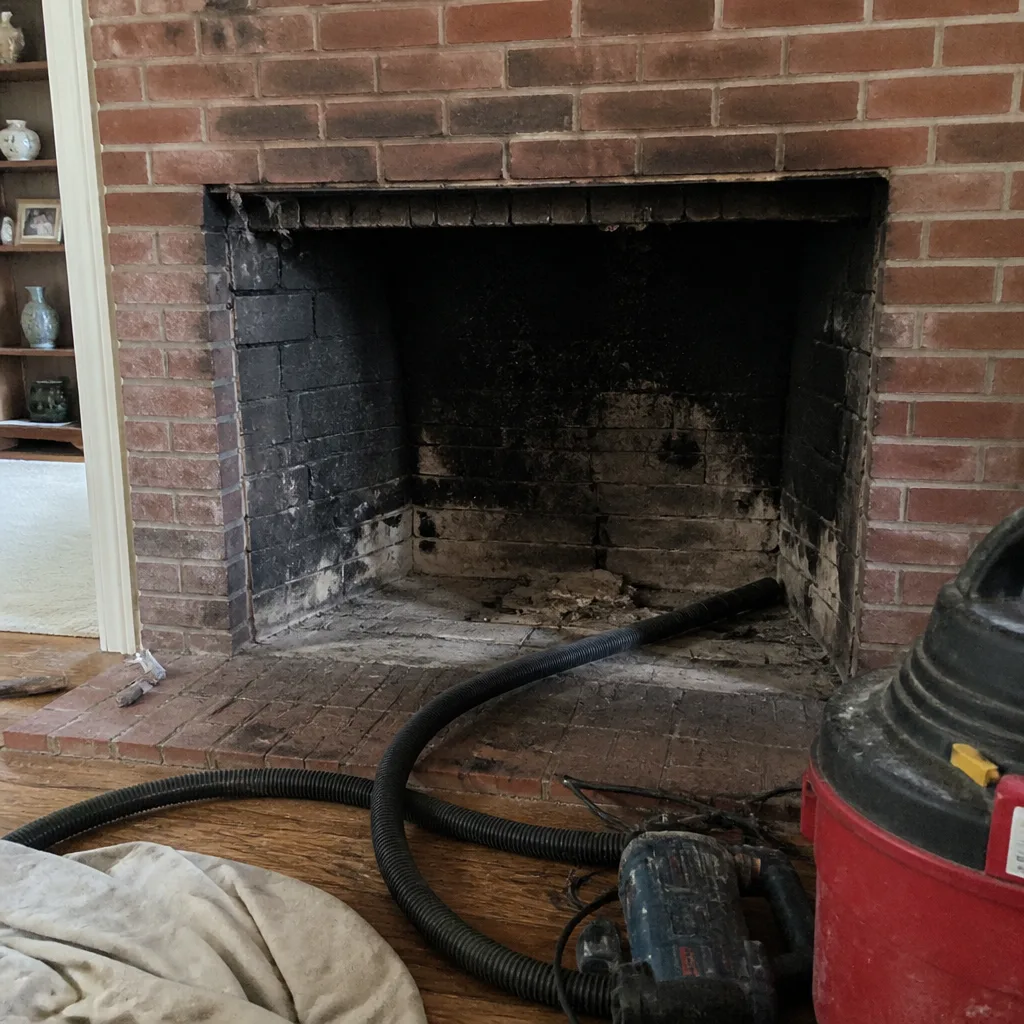
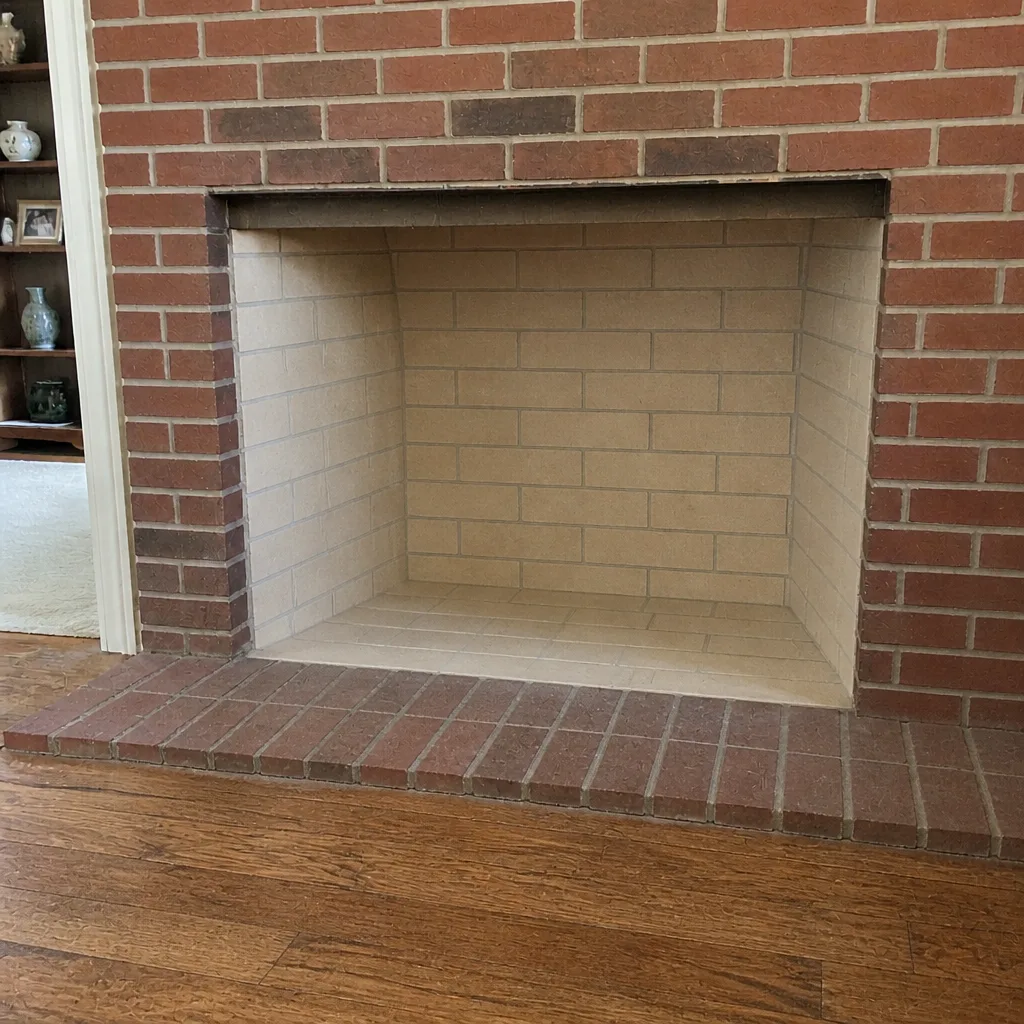
See the difference
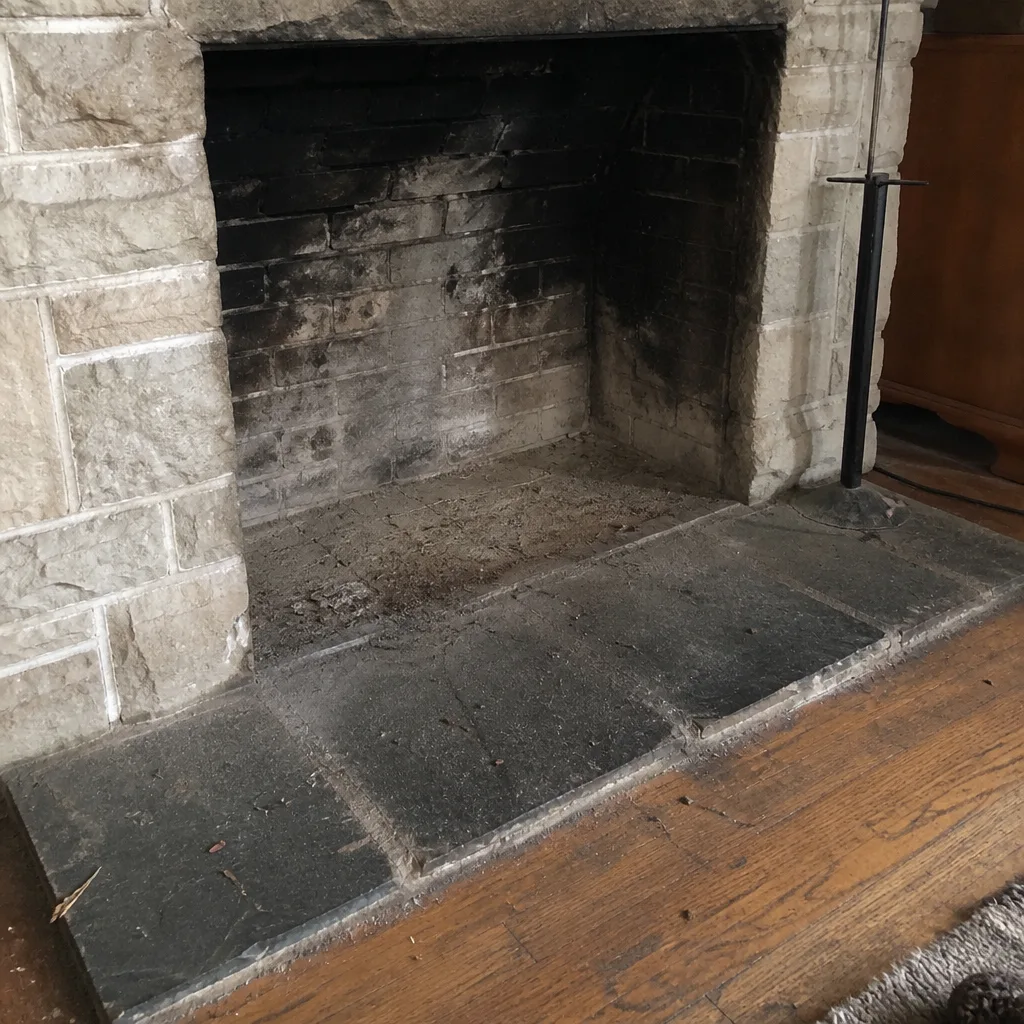 Before
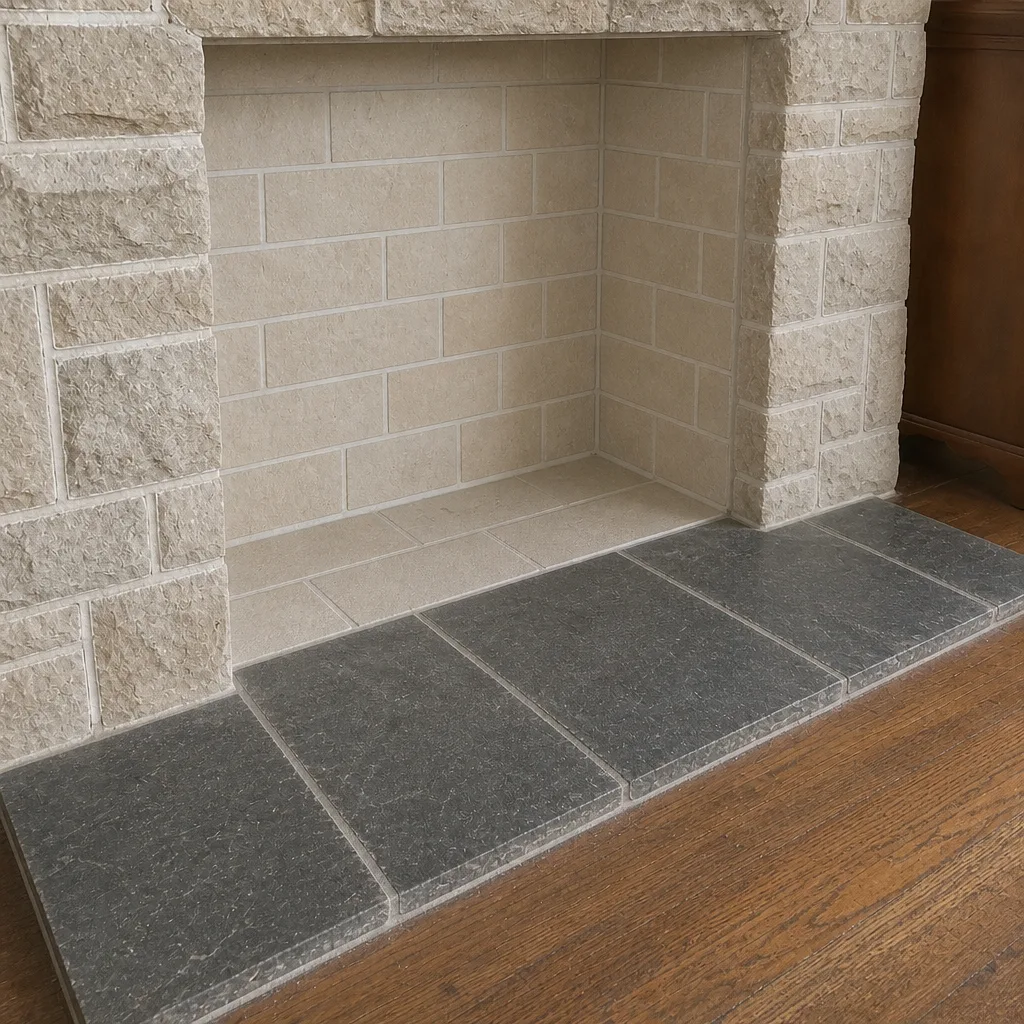 After
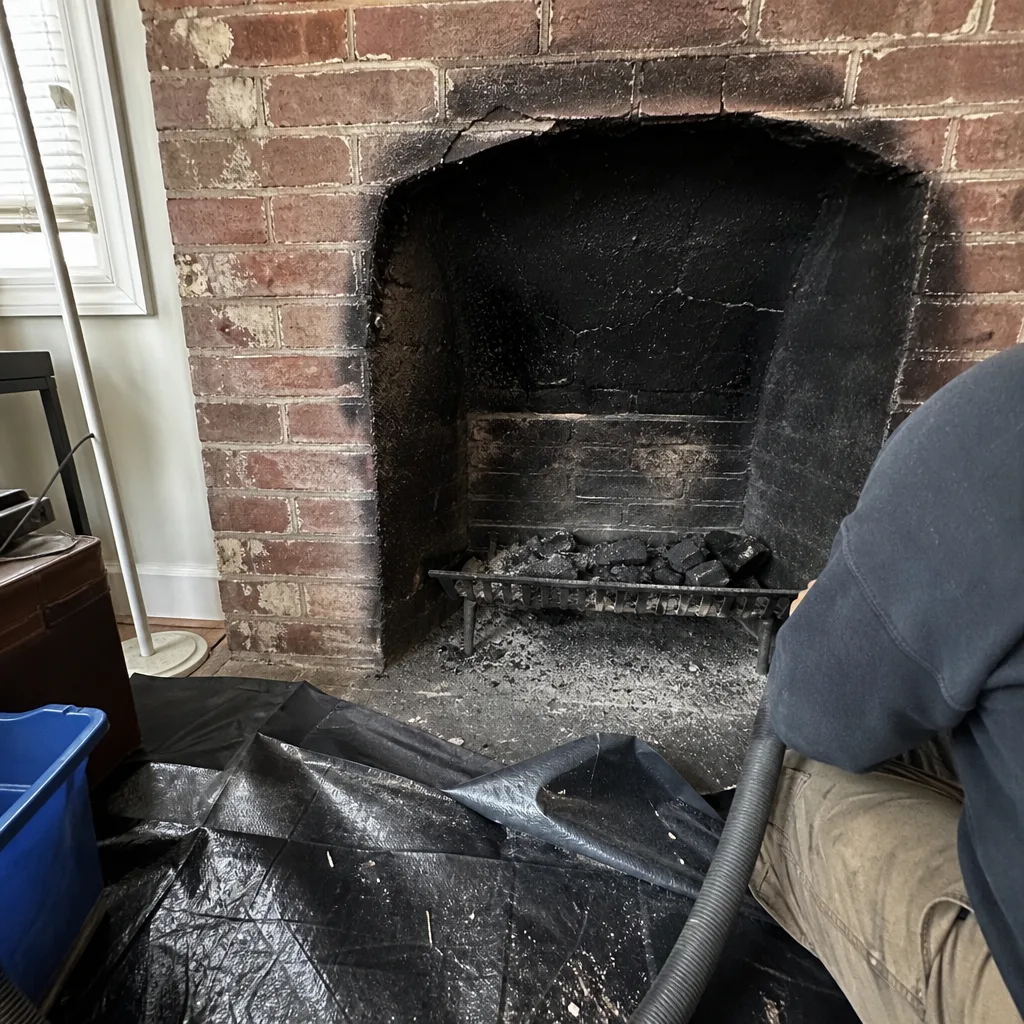 Before
 After
 Before
 After
When to Call a Professional
Some chimney questions are answerable over the phone, but several situations need a trained technician on site. Call a professional if you’ve never had the chimney inspected, if you burn wood regularly and it’s been more than a season since the last sweep, or if you notice anything unusual – a strong smoky smell, draft problems, visible cracks in the masonry or crown, water stains, or a cap that’s loose or rusted through. If you’re buying a home with a wood-burning fireplace, an inspection before you close is worth every minute. And if any contractor recommends liner or masonry work without showing you camera evidence, get a second look before you commit. Clover Chimney Sweep offers free estimates in Louisville – call (855) 473-9926. We answer 24/7, with fast dispatch from 7am to 7pm, Sunday through Friday.
Frequently Asked Questions
There’s no single best brand – the right liner depends on your flue’s condition, shape, and the appliance it serves. DuraFlex is a recognized flexible liner line we work with, and it’s a strong match for many aging or irregular flues in Louisville. The honest answer is that the product should follow the inspection, not the other way around. Call (855) 473-9926 for a free estimate and we’ll tell you what your flue actually needs.
You need resurfacing only if the flue is structurally sound and just the inner surface has broken down. If the clay tiles are cracked, shifted, or missing, a full liner is the right answer and resurfacing won’t fix it. We won’t recommend either until we’ve seen the inside of your chimney with a camera. Call (855) 473-9926 to book an inspection – estimates are free.
Because caps take the full force of our freeze-thaw winters, and a galvanized box-store cap can start rusting through within a few years. A cast aluminum or stainless cap from a professional line is built for the long haul in this climate. It’s a small part of the job with a big effect on how long your chimney stays dry. Call (855) 473-9926 for an exact quote on a proper cap.
Ask which brands they work with and why, and listen for names rather than adjectives. A specialist names the product line and explains the match to your flue; a generalist says “good quality materials” and moves on. Asking them to show you camera evidence of the problem is the second test. Call (855) 473-9926 if you’d like a straight answer about what goes into your chimney.
Most wood-burning fireplaces, inserts, and stoves should be swept about once a year, and more often if you burn heavily or notice draft or odor problems. Louisville’s burn season means creosote builds up over the colder months, so late summer and early fall are a sensible time to book. An annual chimney sweep also catches small problems before they grow. Call (855) 473-9926 for a free estimate.
Creosote accumulates in the flue and becomes a fire risk, and small masonry or cap problems let water in that freeze-thaw cycles then make worse. The result is often a bigger repair later than a sweep and inspection would have caught early. Safety is the real reason to keep up with it. Call (855) 473-9926 and we’ll tell you honestly what your chimney needs and what can wait.
The Bottom Line
The chimney brands that matter are the ones inside your flue and on top of your chimney: the liner system, the resurfacing compound, the cap, and the sealant. A contractor who works across recognized professional brands – DuraFlex, HeatShield, Gelco, Olympia Chimney, Famco, and Copperfield – can match the product to your chimney instead of working from what’s on hand. Ask the sourcing question, ask to see camera evidence, and ask what can wait. That’s how you choose well. Clover Chimney Sweep is a chimney specialist, Clover Chimney Sweep for sweep, repair, and inspection under one roof, and our technicians have up to 9 years of experience. Call (855) 473-9926 for a free estimate. We answer 24/7.
Written by the team at Clover Chimney Sweep.