
Last updated November 15, 2026
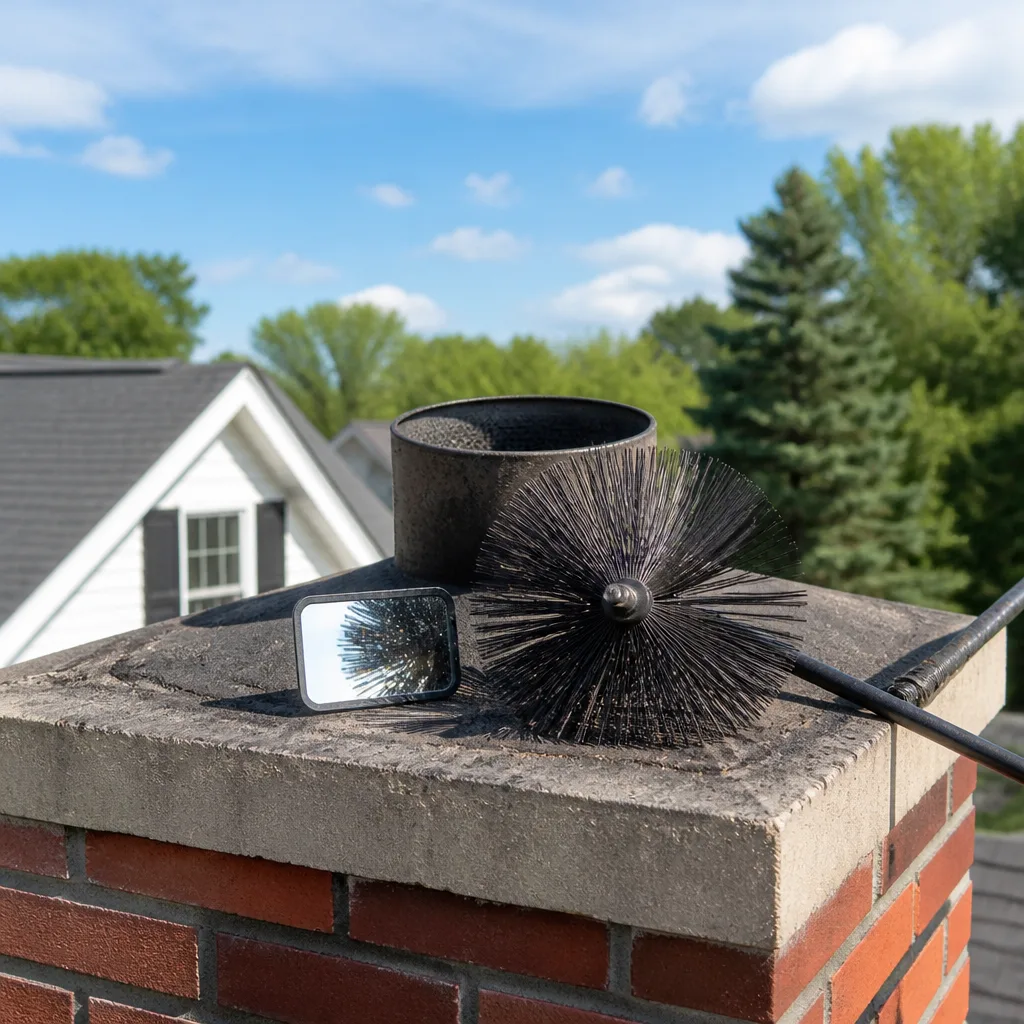 Sweep & inspection
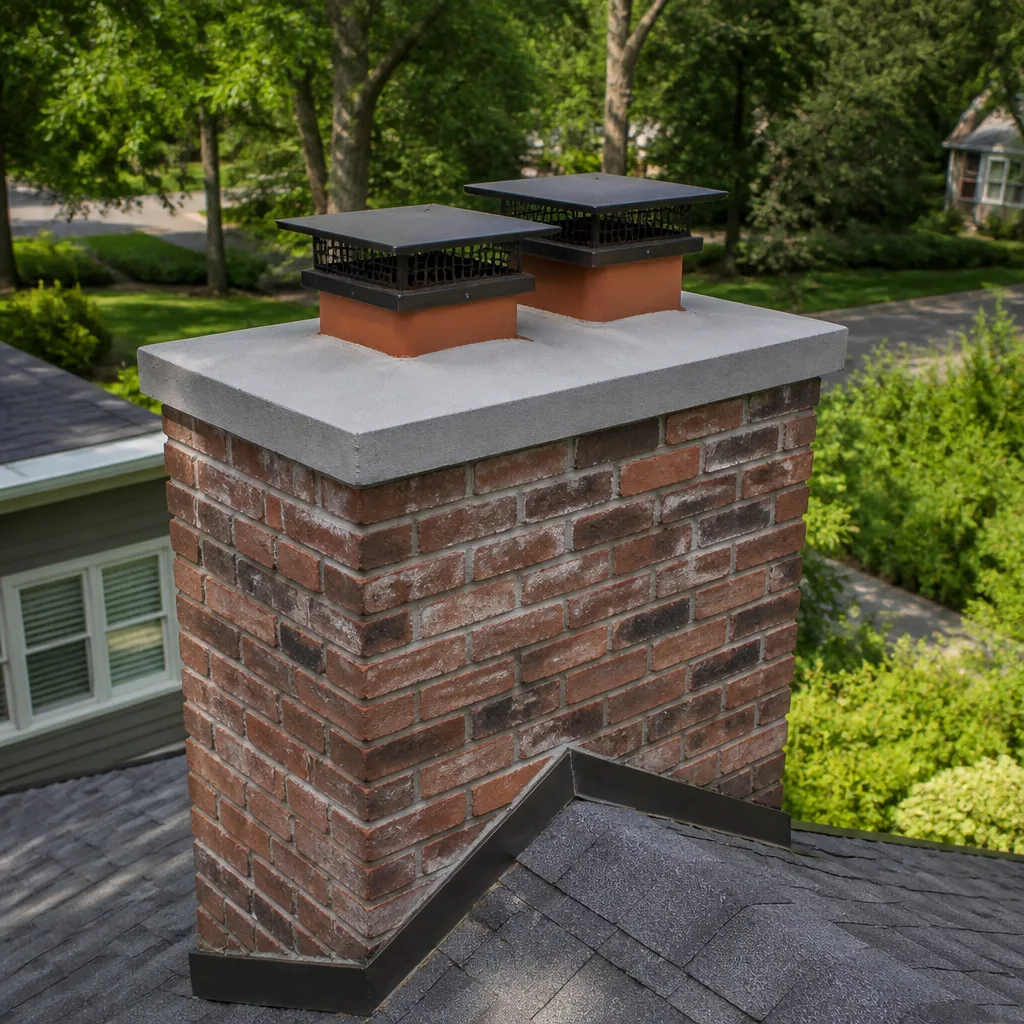 Caps & crowns
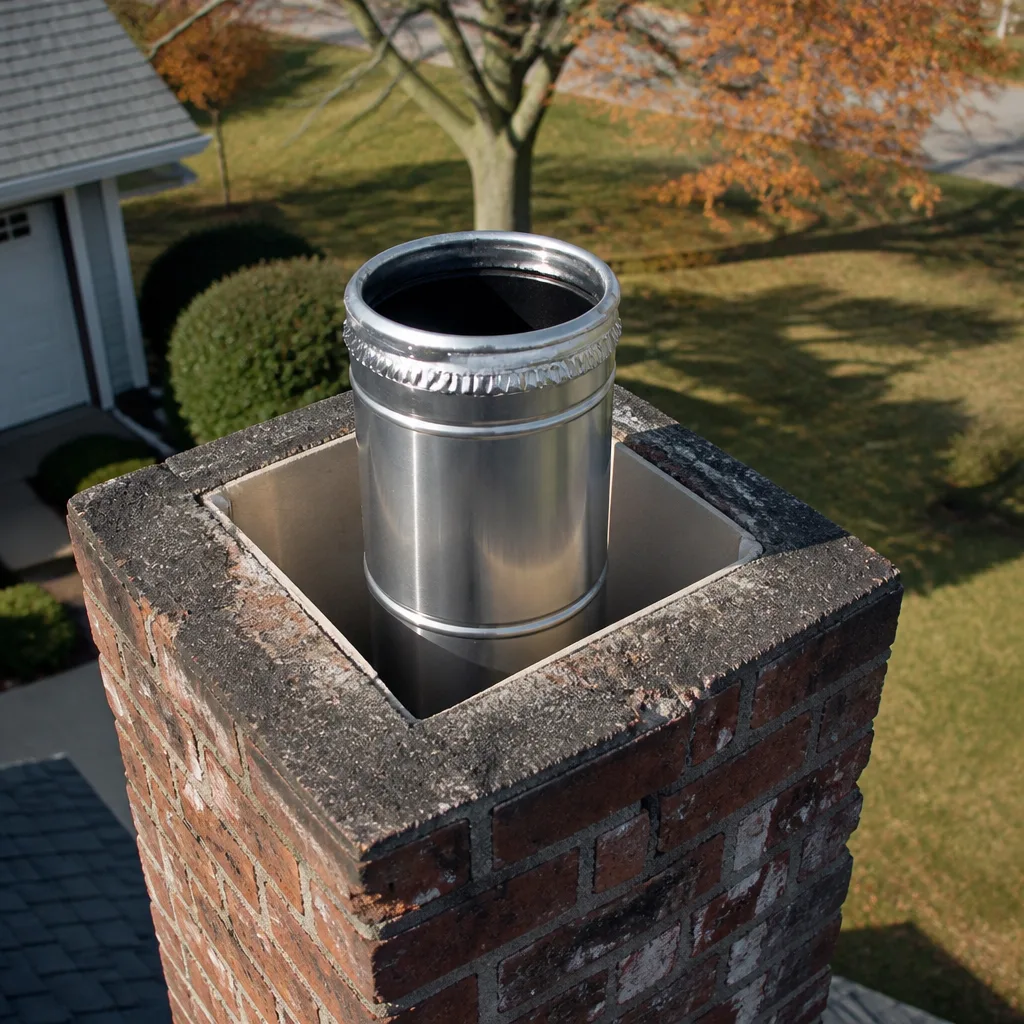 Flue relining
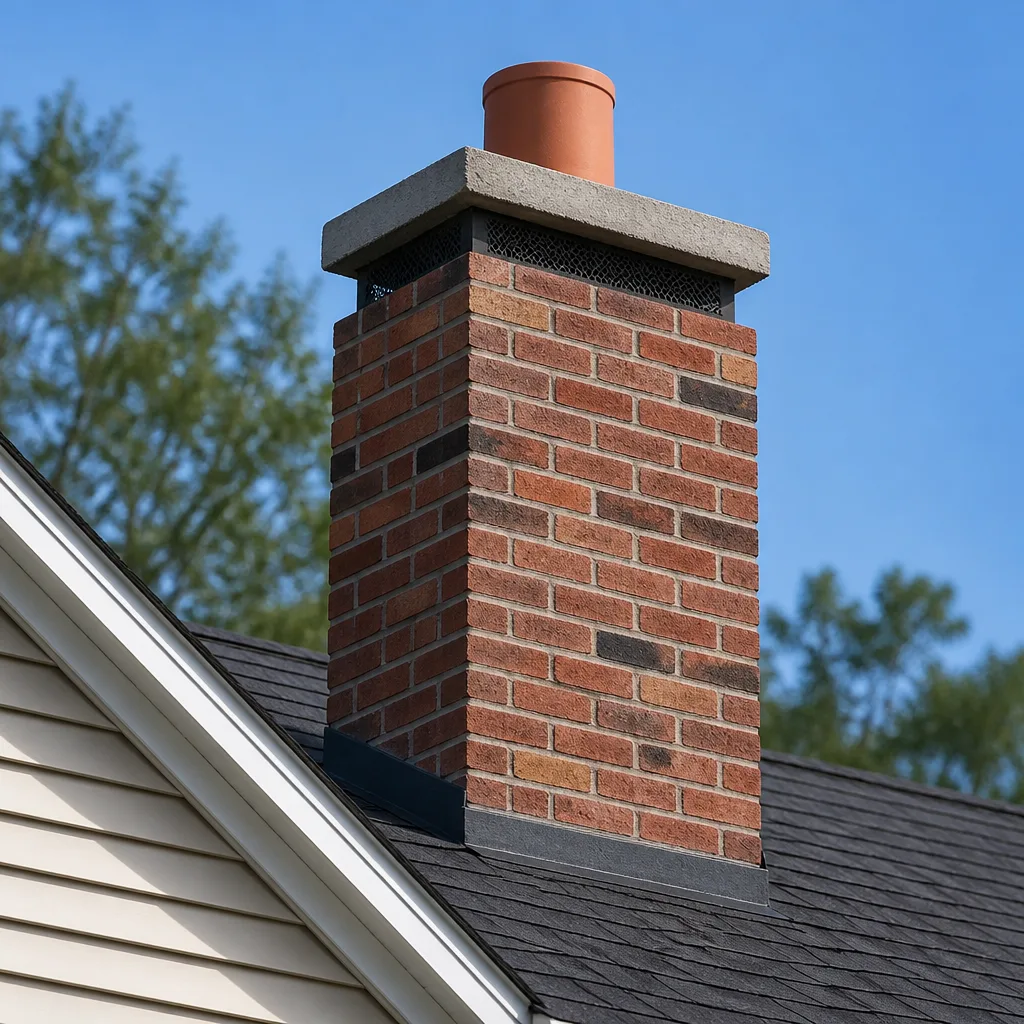 Masonry repair
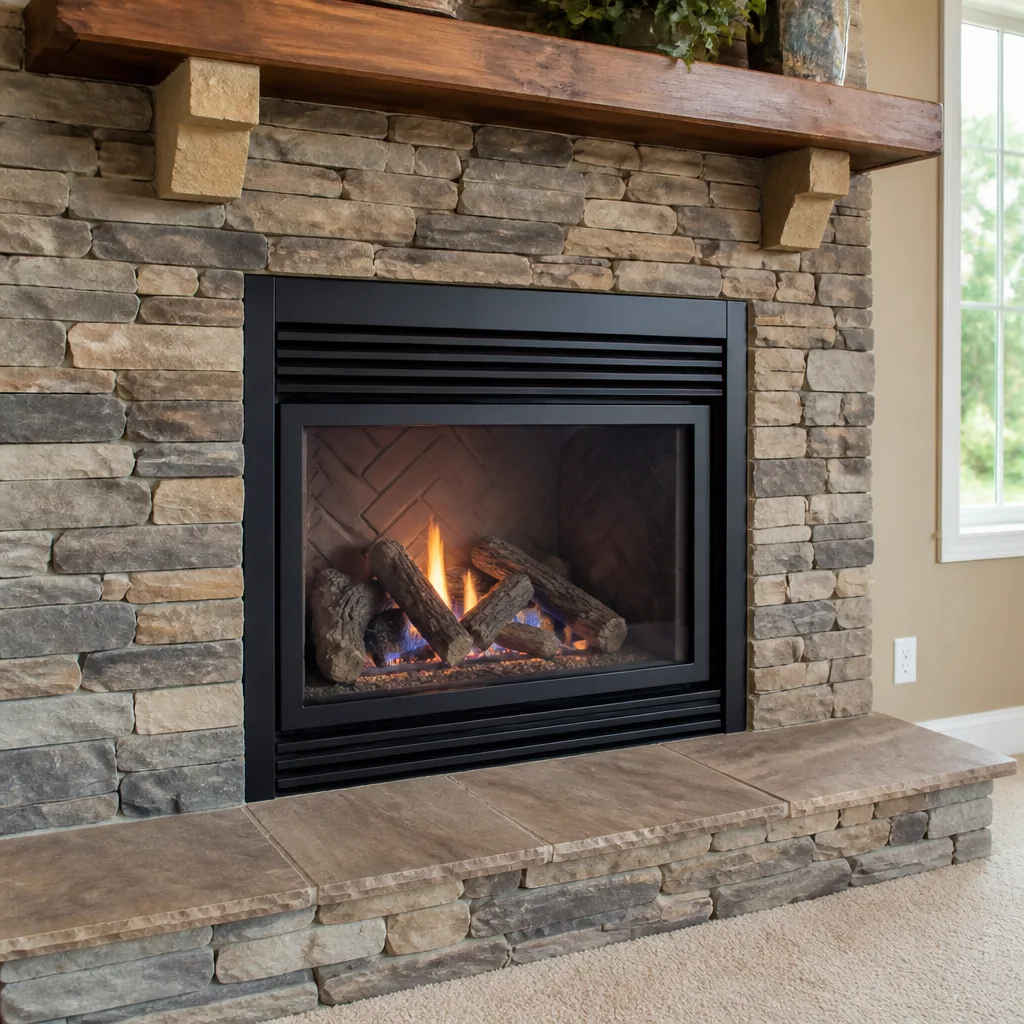 Gas fireplace service
Level 1 sweep and inspection to the NFPA 211 annual standard - flue, crown, cap, and flashing checked and photographed
Chimney sweep logs do not sweep chimneys. They loosen some creosote - which then falls where a brush and vacuum still have to collect it.
Chimney Sweep Maintenance Schedule: What to Do and When
Most homeowners treat a chimney sweep like a yearly oil change: once a year, same month, done. But a sweep isn’t a service, it’s a diagnosis. How often you need one, and when, depends on what you’re burning, how much of it you burn, and whether you’re heating a masonry firebox or a factory-built system. Run all three through the same annual calendar and you miss what actually matters. Put three cords of wood through a fireplace hopper every winter and you’re on a different schedule than a once-a-month fire. This guide walks through the month-by-month schedule we recommend for homes in Louisville, plus what to check yourself between professional visits.
Quick Answer
On a standard NFPA 211 schedule, a chimney needs to be inspected at least once a year and swept when there’s an eighth of an inch or more of creosote on the flue. For a Louisville wood-burner who lights up regularly, the working schedule is an annual inspection with a sweep as needed, a post-winter inspection in March, and a pre-season check before the first cold snap. Higher-use homes and some gas and oil setups need more frequent professional eyes.
Styles & brands we work with
- Sweep & inspection
- Caps & crowns
- Flue relining
- Masonry repair
- Gas fireplace service
Table of Contents
- What does a year of chimney maintenance look like in Louisville?
- How often do you need a sweep by fuel type?
- Why a March inspection beats an October one
- Level 1, 2, and 3: which inspection do you actually need?
- What can you check yourself between visits?
- How do you document a chimney’s maintenance history?
- Common mistakes to avoid
- When to call a professional
What does a year of chimney maintenance look like in Louisville?
A Louisville chimney schedule has two fixed anchor points and several variable ones. The fixed points are the pre-season inspection (August to September) and the post-winter inspection (March to April). The variable ones depend on how hard you’re burning, what you’re burning, and what the March inspection turns up. We recommend you run all of them off a written calendar you keep with the chimney’s paperwork.
- August to September. Pre-season inspection. Get the sweep out of the way before the first fire. Catch caps, dampers, and bird nests before they turn into a cold-night problem. This is also the best window to schedule repair work so it’s finished before you need the fire.
- October through February. Burn season. Sweep as needed based on creosote accumulation. If you’re a heavy wood burner, plan a mid-season sweep in January. Gas and pellet inserts get a monthly glass-and-pilot check from you; the pros need one inspection in this window.
- March to April. Post-winter inspection. This is the most important visit of the year for Louisville homes, and we’ll explain why below.
- May through July. Repair window. Anything the March inspection flagged (crown cracks, flue tile spalling, cap damage) gets fixed now while you don’t need the chimney. Rain in Louisville is heavy through spring and summer, and a cracked crown takes on water every time it rains.
That’s the framework. Everything else is tailoring it to your fuel.
How often do you need a sweep by fuel type?
The single biggest reason homeowners fall behind is treating all fuel types on the same schedule. They aren’t, and the differences matter. Here’s what we recommend:
- Wood (cordwood, wood stove, fireplace insert): 1 to 3 cords per season gets an annual sweep and inspection. More than 3 cords per season gets a sweep every six months (August and February typically). Burning unseasoned or “green” wood or a lot of softwood (pine, cedar) pushes you toward the six-month side of that range even with lower cordage.
- Gas (natural gas or propane): Annual inspection, even if there’s no soot to speak of. Gas produces almost no creosote, but it produces condensation and corrosive byproducts that attack the liner and the vent. Gas inserts installed before 2010 warrant a second look because vent materials and sizing were less standardized. The system can look clean and still be failing at the vent.
- Oil: Annual mandatory. Oil flues build up soot and sulfur residue, and the failure mode is swift. Oil has no “light-use” exception.
- Pellet: The most overlooked fuel in Louisville. The firebox ash pan needs empty every few weeks of heavy use (monthly for light use), and the flue needs a professional sweep annually. Pellet flues develop a sticky ash that holds moisture and eventually corrodes vent pipe if left too long.
If you’re not sure which tier you fall into, check the label on your appliance or talk to us. One call covers the full chimney: sweep, inspect, repair, and we’ll tell you which schedule your specific setup needs.
For the sweeping side specifically, our chimney sweep page covers the process in detail. For repair work that comes out of the schedule below, see our chimney repair page.
Why a March inspection beats an October one
Most homeowners schedule a sweep in October, right before the first fire. That makes sense emotionally but it’s the wrong calendar for Louisville. A March inspection catches freeze-thaw damage before it can spread through a warm, wet spring and into the summer rainy season, when every crack in the crown and every spalled flue tile takes on water. By the time you see the symptoms in October, you’ve already lost the cheaper repair.
Here’s what a March inspection catches that October often can’t:
- Crown cracks. Louisville winters swing above and below freezing repeatedly. Water gets into a hairline crack in the crown, freezes overnight, expands, and widens the crack. By March the crack is bigger and more visible. Fix it in April, or by October it’s reached mortar joints and the repair has grown.
- Flue tile spalling. The outer layer of a clay flue tile can shear off from thermal cycling and freeze-thaw. In March, a spalled tile is a targeted repair. By October, after a summer of rain in the joints, it’s often a relining project with a DuraFlex flexible liner to restore a safe flue.
- Damper and cap wear. Stainless caps take a beating from Louisville winters. A cap that went into the winter intact can be rusting through by spring if drainage was poor. Replace it in May with a Famco or Copperfield cap and you avoid water intrusion all summer.
- Creosote mapping. Post-winter, our technicians can tell you exactly what the winter’s burning pattern deposited, so next season’s sweep frequency is based on fact, not guesswork.
The October visit has its place. Just don’t make it the only one. March is where the diagnosis happens.
Level 1, 2, and 3: which inspection do you actually need?
This is where a lot of Louisville homeowners pay for the wrong visit. A Level 1 inspection is a visual check of readily accessible portions of the chimney, firebox, and flue with a flashlight and hand tools. A Level 2 inspection adds a camera run through the flue, access to crawl spaces and the attic, and a full report. A Level 3 inspection involves opening walls or removing parts of the structure to reach concealed areas.
Here’s how those map onto the maintenance schedule:
- Level 1 – annual maintenance. Fits your yearly inspection if nothing has changed and there’s no history of problem.
- Level 2 – this is the standard when anything changes. A new appliance, a fuel change, a flue tile condition you don’t know, a home purchase or sale, a chimney fire event, a weather event (lightning, earthquake, high wind), or a sustained performance issue (poor draft, smoke spillage). In our experience most Louisville homes should be on a Level 2 at least every few years, and always at a sale.
- Level 3 – rare and diagnostic. Only when the Level 2 findings can’t be resolved without opening the structure.
If you’re sold a Level 1 when a Level 2 is what your situation calls for, you’ll pay for a report that tells you nothing new. If you’re sold a Level 3 for a routine sweep, you’ll pay for walls you didn’t need to open. We’ll tell you which level your situation actually calls for, and won’t sell a Level 2 when a Level 1 will do.
One more note: after any suspected chimney fire, always insist on a Level 2. The firebox can look fine and the flue can be shattered in ways only a camera catches. Camera inspection and photo report are part of how we do a Level 2, so you can see the evidence yourself.
What can you check yourself between visits?
A few checks are safe and worth doing monthly during burn season. They catch small things before they become inspection findings.
- Cap condition. From the ground, look at the cap with binoculars if you can. Rust streaks, missing screen, or a cap that looks tilted mean a call. A working cap keeps rain, birds, and leaves out.
- Damper operation. Open and close the damper fully a few times. It should move freely with a full range of travel. A damper that sticks, closes only partly, or won’t hold open is a Level 1 finding the next time you call.
- Firebox floor. Look for cracks in the firebrick or missing mortar between bricks. A hairline in the firebrick face is usually cosmetic; a crack through the brick is not.
- White staining on exterior brick. This is the one exterior sign that means call now, not next fall. White or chalky staining along the chimney’s exterior brick usually means moisture is moving through the masonry from inside a failed flue or joint. It gets worse, not better, and it’s a straightforward appointment to diagnose.
- Glass on gas inserts. Foggy or cloudy glass means the vent or the appliance is running wrong. Don’t ignore it just because “the fire looks fine.”
Don’t attempt to inspect or clean the flue yourself. The flue, and anything above the damper, is a trained-technician space. High heat, sharp tile edges, and, on many homes, a roofline that requires fall protection. Our technicians have up to 9 years of experience with the tools and access to do the work safely.
How do you document a chimney’s maintenance history?
Most homeowners don’t, and that’s a mistake that matters at two specific moments: the insurance claim after a chimney-related loss, and the disclosure at a home sale. Kentucky is a disclosure state, and a chimney is a material system. You want the paperwork ready before you need it.
Here’s what to keep in one folder (digital is fine):
- Every inspection report. Each one, including the photo report from a Level 2 if a camera was run. Save the PDFs. A photo record of clean flue tiles at each inspection is the strongest possible documentation if you ever need to prove a claim.
- Every sweep invoice with the date and fuel type. A three-year gap between sw ep invoices will look bad in an insurance claim, even if the chimney is fine.
- Every repair invoice, with the product used. If we install a DuraFlex flexible liner, a HeatShield resurfaced flue, or a Gelco component, the invoice names the product and the installation date. That’s worth keeping, because the next buyer’s inspector will want to know what’s inside the flue.
- A one-page summary you write yourself. Fuel type, appliance model, sweep dates, repairs with product names, and the last inspection level. Two minutes a year, and it turns a stack of invoices into a story the inspector can follow.
At a sale, “the chimney has a hairline crack in a flue tile that we’ve known about for a while” is a much harder conversation than “here’s the pre-listing Level II inspection report and here’s the invoice showing the flue tile was relined.” One is a negotiation; the other is documentation. The same paperwork is what your insurer needs after a chimney-related loss event, and it’s the reason a routine inspection at the right time pays for itself in negotiating power at the closing table.
Common Mistakes to Avoid
- Scheduling the only annual sweep in October. Louisville’s freeze-thaw winter damage is best caught in March, not after the damage has spread through a wet spring. October has its place, but as a second look, not the only one.
- Running all fuel types on the same yearly sweep. A gas insert doesn’t need a sweep on the same cadence as a three-cord wood burner. A pellet flue gets ash in a way that has nothing to do with creosote and needs its own timing.
- Skipping the annual inspection because you didn’t burn much this year. Inspection is not the same service as sweeping. The flue tile, crown, or cap can fail in a year you barely used the fireplace.
- Treating a Level 1 as sufficient for a sale or after a chimney fire. A sale or fire event calls for Level 2 with a camera. A Level 1 in that situation leaves you with paperwork that doesn’t actually answer the question.
- Paying for a relining quote with no photo evidence. Any liner recommendation should be supported by camera footage of the flue interior, and you should be able to look at it. If your technician can’t show you what they’re quoting, ask to see it.
- Burning green or soft wood. In Louisville, cedar and pine are common around the older neighborhoods. Unseasoned wood produces much heavier creosote, and a mid-season sweep becomes necessary where an annual sweep would otherwise do.
- Not documenting anything. Every claim, every disclosure, and every repair conversation gets easier with a folder of invoices and reports. Five minutes at the end of each season, one folder, and you’re covered.
When to Call a Professional
Call us if any of the following is true:
- You can’t remember the last annual inspection.
- You’ve burned more than one cord of wood this season and never had a sweep.
- You see white or chalky staining on the exterior brick.
- You’ve had a chimney fire event, even a small one.
- You’re buying or selling a home in Louisville and need a Level 2 inspection with a photo report for the transaction.
- You’ve noticed smoke backing into the room, soot on the firebox face, or a damper that won’t stay open.
- You have a gas insert installed before 2010 that’s never had a vent check.
Clover Chimney Sweep offers free estimates in Louisville. We name the products we use, and we won’t quote a liner or a reproduction without camera evidence you can see. Call (855) 473-9926. We answer 24/7. Fast dispatch from 7am to 7pm, Sunday through Friday, closed Saturday.
See the difference
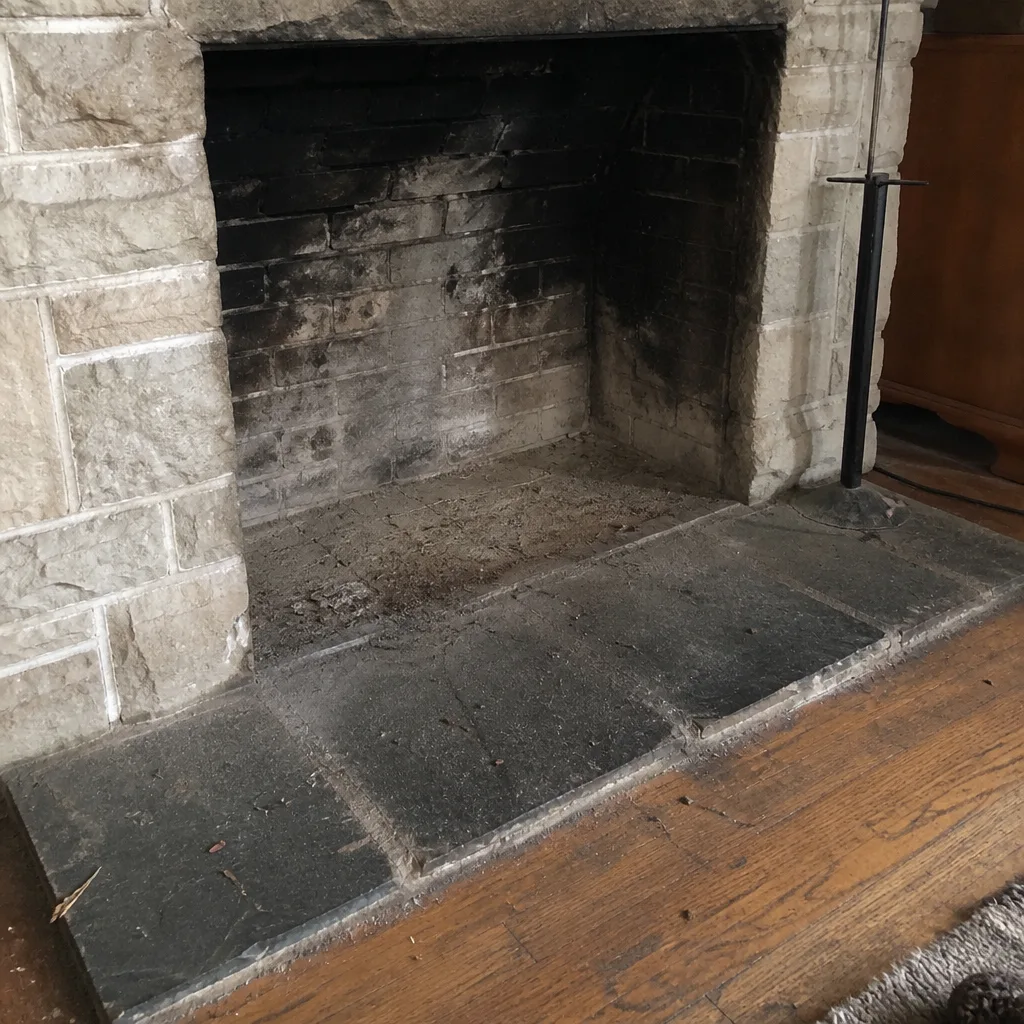 Before
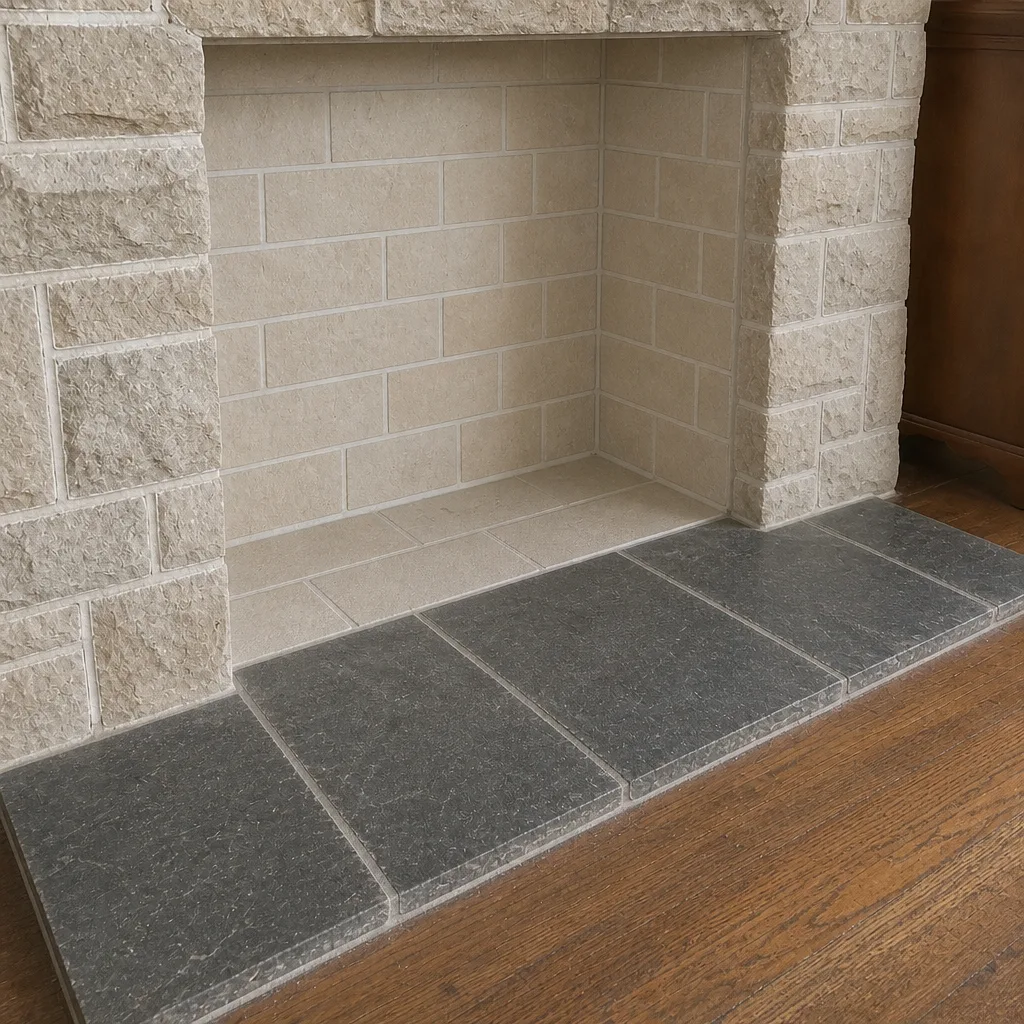 After
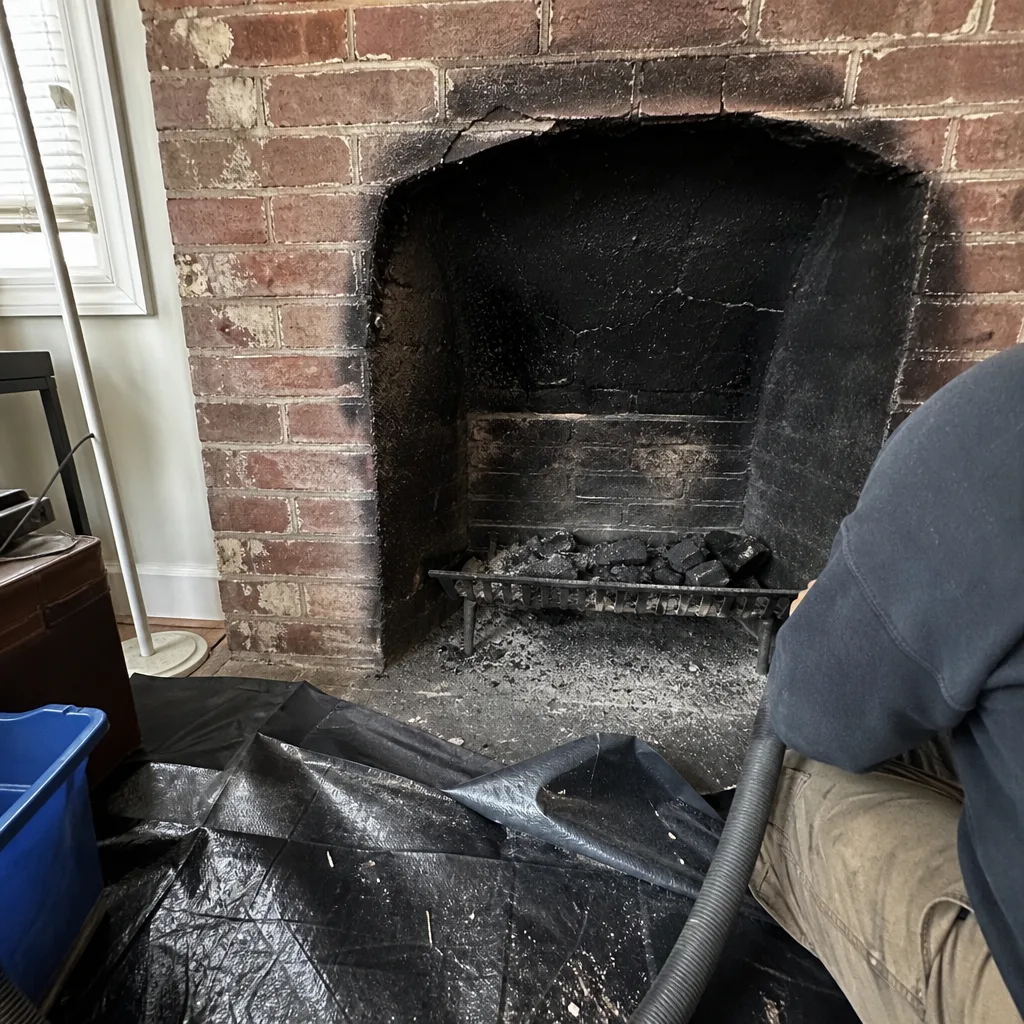 Before
 After
 Before
 After
Frequently Asked Questions
Once a year for most wood-burning homes, and every six months if you’re burning more than three cords per season. Gas inserts should be inspected annually even without soot; oil flues are annual mandatory. Pellet stoves need the ash pan emptied every few weeks and the flue swept annually. If you’re not sure which tier you fall into, call (855) 473-9926 and we’ll talk it through before booking.
Only if the camera inspection shows the existing flue can’t be made safe: cracks through the flue tiles, a shifted tile, a missing clay liner section, or a corroded factory vent. A HeatShield ceramic resurfacing can sometimes repair a compromised flue tile without a full relining, so those are two different conversations, and we’ll tell you which the flue actually needs. If the flue is intact, you don’t need a liner. No photo, no quote. Call (855) 473-9926 for an exact answer specific to your chimney.
The creosote accumulates and its risk profile changes. Light, sooty creosote is scheduled; glazed, tarry creosote (stage 3) is dangerous and much harder to remove without damaging the flue. A skipped year or two isn’t necessarily a disaster if the burning was light and the wood was dry, but you don’t know which version you’re in until a technician looks. In our experience the discovery is more expensive than the sweep would have been. Call (855) 473-9926 to book an inspection before you burn again.
Yes. A Level 2 inspection with a camera is the right call for any home sale, and it’s the report that protects you on both sides of the transaction. You get a photo report; the buyer’s inspector gets something concrete to reference; the disclosure is clean. In Kentucky’s disclosure process, having the report is normally the cheapest path through a chimney negotiation. Call (855) 473-9926 to schedule the pre-listing or pre-purchase walkthrough.
You can do the safe checks (cap, damper, firebox floor, exterior brick) between professional visits, but the flue itself is a trained-technician space. High heat, sharp tile edges, and roof access are real hazards, and a hand-camera through a cleanout doesn’t tell you the same things a proper Level 1 or Level 2 does. We’d rather you book the annual inspection and keep the DIY to the visual checks. Call (855) 473-9926 for an estimate.
A Level 1 is a visual check of accessible parts of the chimney, firebox, and flue with hand tools. A Level 2 adds a camera run through the flue, access to crawl spaces and the attic, and a written photo report. Level 2 is the standard whenever the situation changes: a new appliance, a sale, a fire event, or a condition you need to document. If you’re not sure which your situation calls for, call (855) 473-9926 and we’ll tell you honestly which one fits.
The Bottom Line
A yearly sweep is the floor, not the ceiling. The right schedule for a Louisville home depends on fuel type, how much you burn, and whether the inspection is catching freeze-thaw damage in March or the symptom in October. Wood-burners on one to three cords get an annual sweep and inspection; heavier users get a mid-season sweep; gas, oil, and pellet each have their own cadence that homeowner intuition tends to get wrong. Level 2 with a camera is the standard for a sale, a fire event, or a change. Check your cap, damper, firebox, and exterior brick between visits. Keep the paperwork. If anything looks off, call before you burn again.
If you’re ready to put your chimney on a real schedule, our team at Clover Chimney Sweep works in Louisville with DuraFlex, HeatShield, Gelco, Olympia Chimney, Famco, and Copperfield products because what goes into your chimney matters as much as the labor. Visit our main page at Clover Chimney Sweep to see the full range of services, or check our Louisville service page for local availability. Call (855) 473-9926 for a free estimate. We answer 24/7. Fast dispatch from 7am to 7pm, Sunday through Friday, closed Saturday.
Written by the team at Clover Chimney Sweep.